




By Ayomide Otitoju
The Nigerian National Petroleum Company Limited (NNPCL) has finally acknowledged its “significant debt to petrol suppliers,” a situation that the company admits threatens the sustainability of fuel supply in Nigeria. This admission comes amidst reports that a $6 billion debt owed by NNPCL has exacerbated the ongoing petrol scarcity, a persistent issue since the beginning of 2024.
Previously, the NNPCL attributed the fuel shortages to various factors, including logistics challenges and flooding. However, in a statement released on Sunday, NNPCL spokesman Olufemi Soneye highlighted the financial strain caused by the debt. “This financial strain has placed considerable pressure on the company and poses a threat to the sustainability of fuel supply,” Soneye stated.
Soneye reaffirmed NNPCL’s commitment to its role as the supplier of last resort under the Petroleum Industry Act (PIA), emphasizing the company’s efforts to collaborate with government agencies and stakeholders to ensure a consistent supply of petroleum products nationwide.
Nigeria’s Energy Challenges
Nigeria, Africa’s most populous nation, continues to grapple with severe energy challenges, with all state-owned refineries currently non-operational. The country remains heavily reliant on imported refined petroleum products, with NNPCL serving as the primary importer.
Fuel queues have become a common sight, as petrol prices have skyrocketed from around ₦200 per litre to approximately ₦800 per litre since the removal of subsidies in May 2023. This price hike has compounded the difficulties faced by citizens who rely on petrol to power vehicles and generators, particularly in the face of Nigeria’s longstanding issues with unreliable electricity supply.
The simultaneous unification of forex windows has also contributed to the economic strain, with the naira’s value plummeting from ₦700 to over ₦1600 per dollar in the parallel market. As a result, the prices of food and basic commodities have surged, leading to widespread inflation and economic hardship.
Challenges for Petrol Marketers
The Independent Petroleum Marketers Association of Nigeria (IPMAN) has raised concerns about the high landing cost of petrol, which has made it unfeasible for marketers to import the product independently. IPMAN National Operations Controller Zarama Mustapha noted that the landing cost per litre of petrol is currently over ₦1,200, while NNPCL sells to marketers at ₦565, effectively creating an unofficial subsidy of nearly ₦600 to ₦700 per litre.
“Whether they [government officials] say there is subsidy or not, the fact on the ground clearly states that there is something they are under-recovering,” Mustapha explained.
Dangote Refinery’s Role
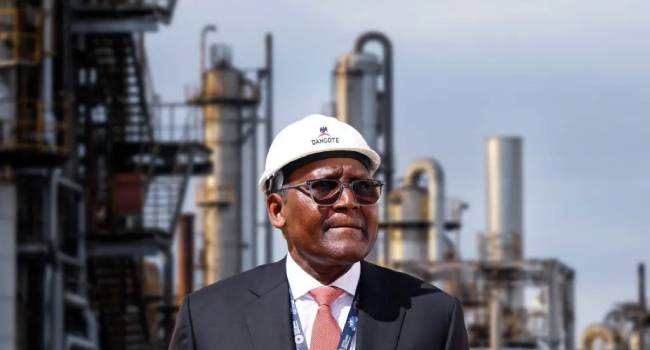
In December, Aliko Dangote, Africa’s leading industrialist, launched operations at his $20 billion refinery in Lagos, which has a capacity of 350,000 barrels per day. The refinery, expected to reach its full capacity of 650,000 barrels per day by the end of the year, has already begun supplying diesel and aviation fuel to marketers, with petrol supply anticipated to commence soon.
Nigerians Expect Inflation to Rise
Amid these economic challenges, a recent survey by the Central Bank of Nigeria (CBN) reveals that Nigerians expect inflation, borrowing rates, and unemployment to continue rising due to the harsh macroeconomic conditions. The survey found that 80.9% of respondents believe the economy will weaken if prices rise faster than they currently are.
Energy costs, which increased from 90.6 points in June to 91.8% in July, were identified as the top driver of inflation. The exchange rate and transportation costs also played significant roles, with slight increases recorded in the review period.
As Nigeria navigates these complex economic pressures, the sustainability of fuel supply remains a critical concern, with the NNPCL’s debt to petrol suppliers adding to the challenges facing the nation’s energy sector.