






By Ayomide Otitoju
The Nigerian National Petroleum Company Limited (NNPCL) has clarified that its recently revived Port Harcourt refinery is currently operating at 90% of its capacity, not 70% as reported by the Petroleum Products Retail Outlets Owners Association of Nigeria (PETROAN).
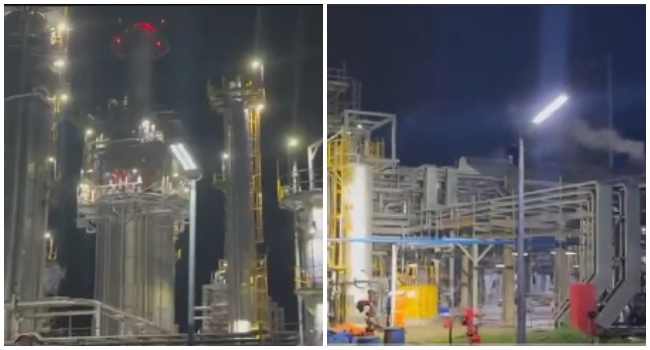
PETROAN had earlier stated that the refinery, with an installed capacity of 60,000 barrels per day, was operating at 70% capacity, with plans to ramp up to 90%. However, in a statement issued on Friday, NNPCL spokesperson Olufemi Soneye confirmed that the refinery is already functioning at 90%, with a throughput of 54,000 barrels per day, producing products such as gasoline (PMS), diesel, and kerosene.
The refinery, which has been refurbished after years of inactivity, is part of a larger complex at Alesa Eleme in Rivers State, where both the old and new refineries are located. The new Port Harcourt refinery, with a capacity of 200,000 barrels per day, is still under rehabilitation and is expected to begin production soon.
NNPCL also responded to allegations made by a self-acclaimed “community person,” Timothy Mgbere, who criticized the refinery’s operations. Mgbere claimed that the refinery was merely blending old stock and was not processing new products. NNPCL refuted his claims, stating that both the old and new refineries share common storage and loading facilities, meaning products from both refineries can be trucked out through the same gantry.
The company dismissed Mgbere’s comments as misinformed and clarified that the recent truck-out of Premium Motor Spirit (PMS) was not from “old stock” but from newly processed products at the revived old refinery. NNPCL called on the public to disregard Mgbere’s statements, describing them as “born out of sheer mischief and blatant ignorance.”
NNPCL emphasized that the reactivation of the Port Harcourt refinery is a significant step towards boosting Nigeria’s domestic refining capacity and meeting local fuel demands.