





By Ayomide Otitoju
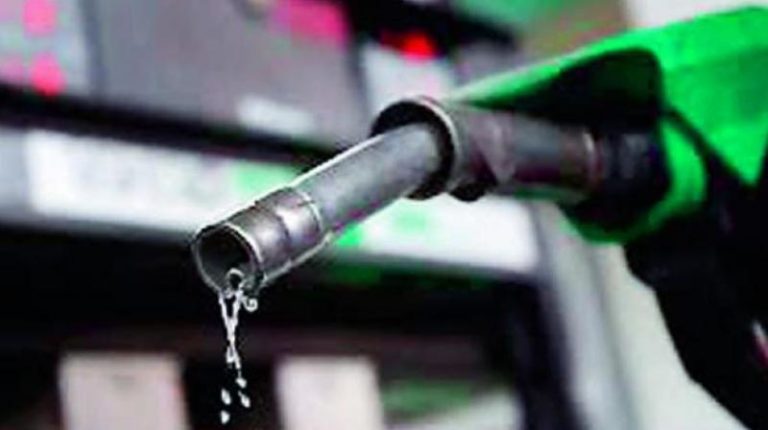
The Nigerian National Petroleum Company Limited (NNPCL) is grappling with significant financial challenges as escalating costs associated with the supply of Premium Motor Spirit (PMS) threaten the sustainability of its operations. This development has raised serious concerns about the long-term stability of fuel availability across the country.
The NNPCL made this disclosure in a statement released on Sunday, signed by its Chief Corporate Communications Officer, Olufemi Soneye. The statement addressed recent reports highlighting the company’s mounting debt to petrol suppliers, which has exacerbated financial pressures on NNPCL and jeopardized the continuity of fuel supply.
“NNPC Ltd. acknowledges the recent national newspaper reports regarding our substantial debt to petrol suppliers. This financial strain has placed considerable pressure on our operations and threatens the sustainability of our fuel supply,” the statement read.
Despite these challenges, the NNPCL affirmed its commitment to its mandate under the Petroleum Industry Act (PIA), emphasizing its role as the supplier of last resort to ensure national energy security. “We are actively collaborating with relevant government agencies and stakeholders to maintain a consistent supply of petroleum products nationwide,” the company stated.
The persistent scarcity of PMS, commonly known as petrol, has sparked widespread frustration among Nigerians, with motorists across various states, including Abuja, Kaduna, Niger, Adamawa, Kano, Bauchi, and Delta, facing long queues at filling stations.
The situation is reminiscent of the fuel shortages that plagued several regions in April, particularly in Abuja, Nasarawa, and Niger states, where supply issues led to days of scarcity. As fuel queues reappear, many motorists are left questioning the underlying causes of the ongoing disruptions.
The NNPCL had previously attributed the fuel shortages to supply challenges, urging customers to remain patient as efforts were made to resolve the situation. However, the growing financial pressures facing the company have now cast doubt on the sustainability of its operations, raising concerns about the future of fuel supply in Nigeria.