


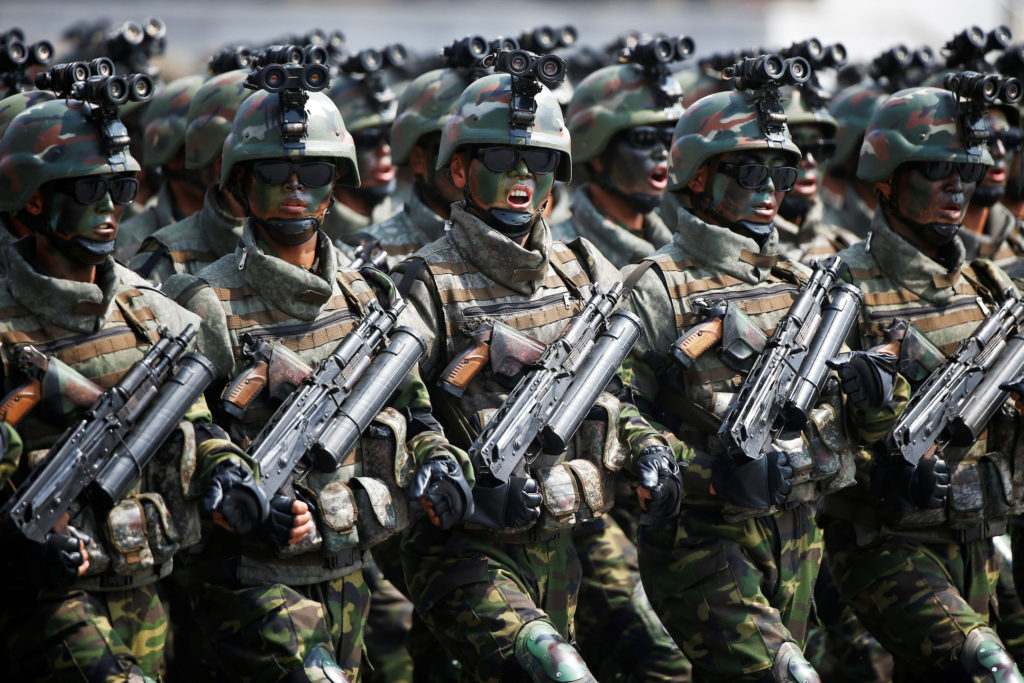
North Korea has reportedly supplied over 10,000 troops to Russia in support of its war in Ukraine in exchange for oil, anti-air missiles, and economic assistance, according to South Korean officials and a research group. The United States and South Korea have accused the nuclear-armed North of deepening its military ties with Moscow, with experts suggesting that Kim Jong Un seeks advanced technology and battlefield experience for his troops in return.
South Korea’s National Security Advisor Shin Won-sik confirmed that Pyongyang has received weaponry, including anti-aircraft missiles, to bolster its air defense system, which has long been considered a vulnerability. Speaking to local broadcaster SBS, Shin also noted that the North had obtained “various forms of economic support.”
Oil Shipments as Payment
The Open Source Centre, a non-profit research group, highlighted evidence of North Korea receiving oil shipments from Russia. Satellite imagery revealed over a dozen North Korean tankers making 43 trips to Russian oil terminals in the past eight months. According to a BBC report, the tankers were seen leaving Russia with full loads, supporting claims that the oil was provided as payment for Pyongyang’s weapons and troops.
British Foreign Secretary David Lammy weighed in, asserting that the oil shipments underscored the transactional nature of the North Korea-Russia alliance.
A Strategic Partnership
The growing cooperation follows the signing of a strategic partnership treaty between North Korean leader Kim Jong Un and Russian President Vladimir Putin in June. The treaty commits both nations to provide military support in the event of an attack and to coordinate efforts to resist Western sanctions. Putin described the agreement as a “breakthrough document,” signaling a deepening alignment between the two nations.
North Korean Foreign Minister Choe Son Hui recently visited Moscow, declaring her country’s unwavering support for Russia’s “sacred struggle” in Ukraine and vowing solidarity “until victory day.”
Realigning Foreign Policy
Analysts believe North Korea’s involvement in Ukraine reflects a broader effort to reposition itself on the global stage. By sending troops and weapons to Russia, Pyongyang seeks to integrate itself into Moscow’s war economy as a military and labor supplier, while potentially lessening its dependence on China, its traditional ally and main trading partner.
In return, Russia can provide access to its vast natural resources, including oil and gas, which are critical to North Korea’s economy.
Tensions with South Korea and the West
The troop deployment has sparked a policy shift in Seoul, which has previously refrained from supplying lethal aid to Ukraine. South Korea, now facing a more emboldened North Korea aligned with Moscow, has hinted at revisiting its stance.
When asked about the presence of North Korean troops in Russia, President Putin deflected the question, instead criticizing Western military support for Ukraine. Meanwhile, Pyongyang has maintained that any troop deployments comply with international law but has stopped short of confirming its actions.
Implications
Both North Korea and Russia remain under strict UN sanctions—Moscow for its invasion of Ukraine and Pyongyang for its nuclear weapons program. The burgeoning partnership between the two isolated states underscores a shared determination to counter Western influence while leveraging each other’s resources and capabilities.
The development marks a significant realignment in global geopolitics, with Pyongyang and Moscow forging closer ties in defiance of international sanctions and escalating tensions with the West.