






By Ayomide Otitoju
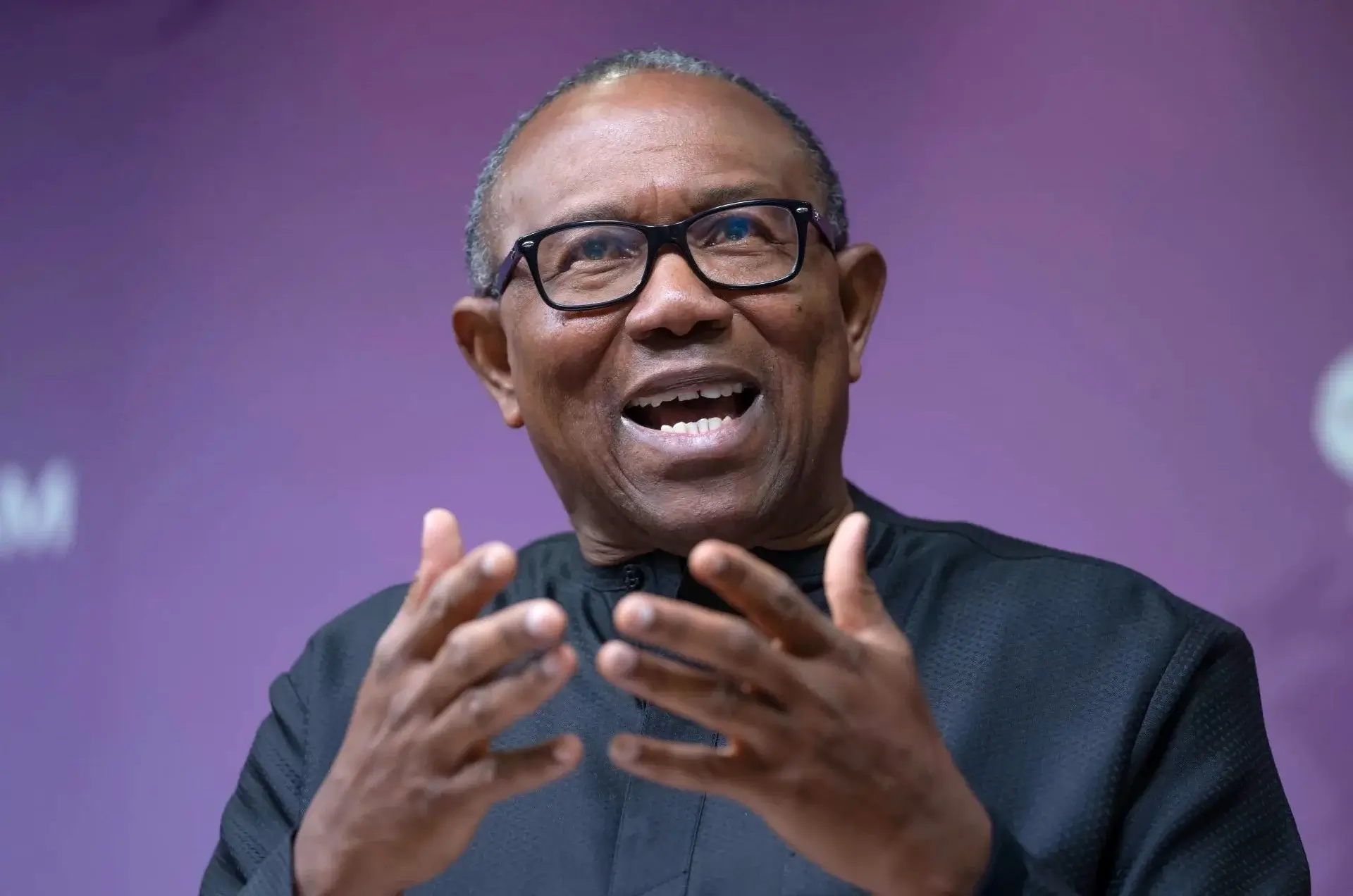
The 2023 Labour Party presidential candidate, Peter Obi, has criticised the Federal Government’s handling of the case involving the leader of the Indigenous People of Biafra (IPOB), Nnamdi Kanu, warning that his conviction could heighten national tension.
In a post on X on Saturday, Obi said Kanu’s arrest, detention and eventual conviction reflected a “failure of leadership” and missed opportunities for peaceful resolution. He cautioned that the development comes at a time when Nigerians are grappling with severe economic hardship, insecurity and what he described as the consequences of poor governance.
Obi maintained that the government mishandled the case from the outset and failed to prioritise dialogue. “The news of Mazi Nnamdi Kanu’s conviction should compel every well-meaning Nigerian to pause and reflect. I have always maintained that Mazi Kanu should never have been arrested,” he wrote. “Dialogue, constructive engagement and inclusive governance offer the path to lasting peace. Coercion becomes necessary only when reason has been exhausted.”
He urged national leaders, including the Presidency, the Council of State and respected statesmen, to intervene and pursue a political solution. “If we truly desire a new Nigeria, our leaders must choose healing over hostility, reconciliation over retaliation, and dialogue over division,” he added.
Obi’s comments follow Thursday’s ruling by the Federal High Court in Abuja, which sentenced Kanu to life imprisonment for terrorism. Justice James Omotosho found him guilty of multiple offences, including inciting violence, belonging to a proscribed organisation and threatening attacks on Nigerian and foreign targets.
The court held that Kanu’s broadcasts encouraged attacks on security agencies, destruction of infrastructure and threats to diplomatic missions. Justice Omotosho affirmed that Nigeria remains an indivisible state and ruled that self-determination cannot be pursued through violent means. He ordered the forfeiture of Kanu’s transmitter and directed that he be detained in a secure facility without digital access.
Despite the sentencing, Kanu insisted he must be allowed time to present his final written address, while his legal team vowed to appeal the verdict, calling it excessive.
Following the judgment, the Department of State Services (DSS) transferred Kanu to the Nigerian Custodial Centre in Sokoto on Friday, in line with the court’s order that he be moved to a correctional facility outside Kuje. His former lawyer, Aloy Ejimakor, confirmed the transfer and criticised the relocation, saying it placed Kanu far from his legal counsel, family and supporters.
Kanu’s long-running prosecution began in 2015 when he was first arrested for alleged treasonable felony and terrorism. He fled Nigeria in 2017 after a military operation at his residence during Operation Python Dance, before being re-arrested in Kenya in 2021 under disputed circumstances. His case remains one of Nigeria’s most sensitive and divisive legal battles.


