






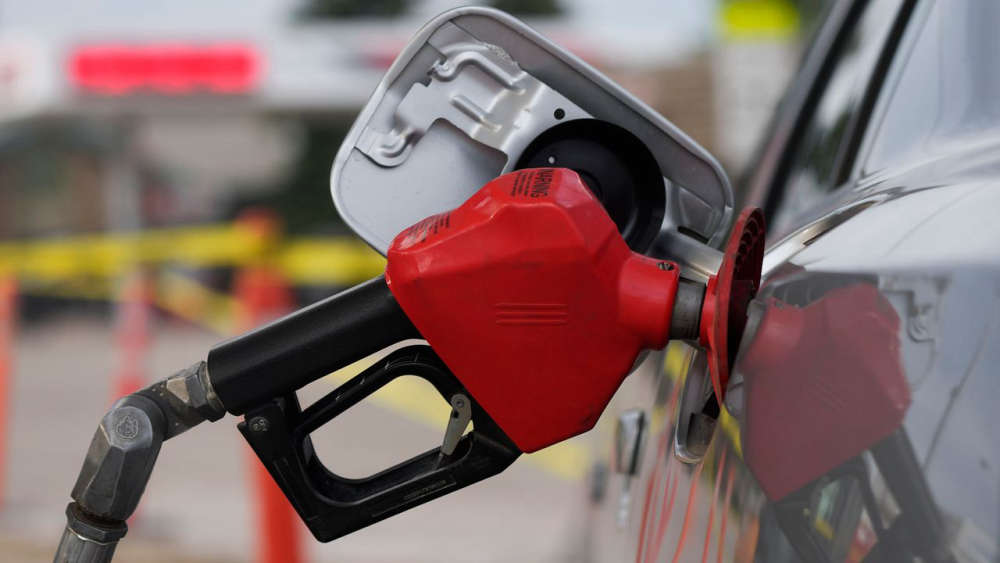
Billy Gilly-Harry, President of the Petroleum Products Retail Outlets Owners Association of Nigeria (PETROAN), has cautioned Nigerians to brace for higher prices of Premium Motor Spirit (PMS) in the near future. Speaking on Channels Television’s Morning Brief on Tuesday, Gilly-Harry indicated that petrol prices, which are currently around ₦950 to over ₦1000 per litre at non-NNPC filling stations, may rise further as they align with market rates.
Gilly-Harry’s warning follows the Nigerian National Petroleum Company Limited (NNPCL) acknowledging a substantial debt of over $60 billion owed to PMS suppliers. This admission comes amidst ongoing fuel shortages and supply challenges exacerbated by logistical issues and NNPCL’s financial strain.
“We have been highlighting that NNPC has been selling petrol at ₦590 per litre,” Gilly-Harry said. “There is a need for transparency in the sector to prevent panic and misinformation.”
Addressing the potential price increase, Gilly-Harry advised Nigerians to purchase fuel at prevailing market prices, acknowledging that while fuel subsidies are beneficial, the sector’s current challenges may outweigh their advantages.
He also discussed the necessity for innovative solutions to navigate the current crisis, given that NNPCL is the primary entity with the capacity to import products and manage significant financial resources. He urged members to explore creative strategies and business arrangements to alleviate the situation.
Gilly-Harry highlighted the importance of improving agricultural and pharmaceutical exports to boost foreign exchange earnings and recommended that state governors facilitate easier access to land for farmers.
PETROAN is engaged in discussions with trading companies to devise ways to convert naira into products effectively, though regulatory approvals are still needed. Gilly-Harry noted that while he could not provide specifics on current petrol stocks or their availability, he encouraged NNPC to expedite solutions to reduce public suffering.
He also attributed high petrol prices to the logistical costs of transporting products into the country, drawing an analogy to the cost difference between water fetched from nearby versus distant sources.