



By Ayomide Otitoju
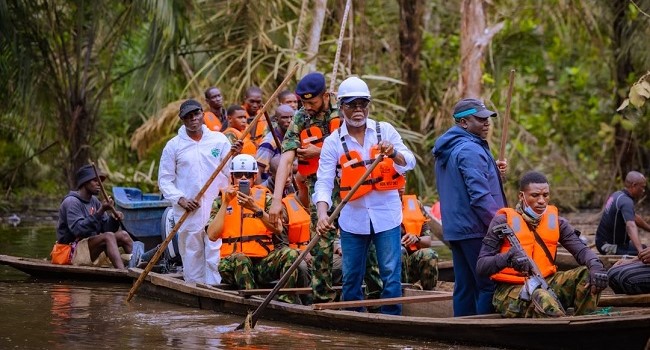
Lagos State has taken a historic step toward transforming its transport landscape with the official launch of the €410 million Omi-Eko Inland Waterways Infrastructure Project, developed in partnership with the European Union (EU) and other international partners.
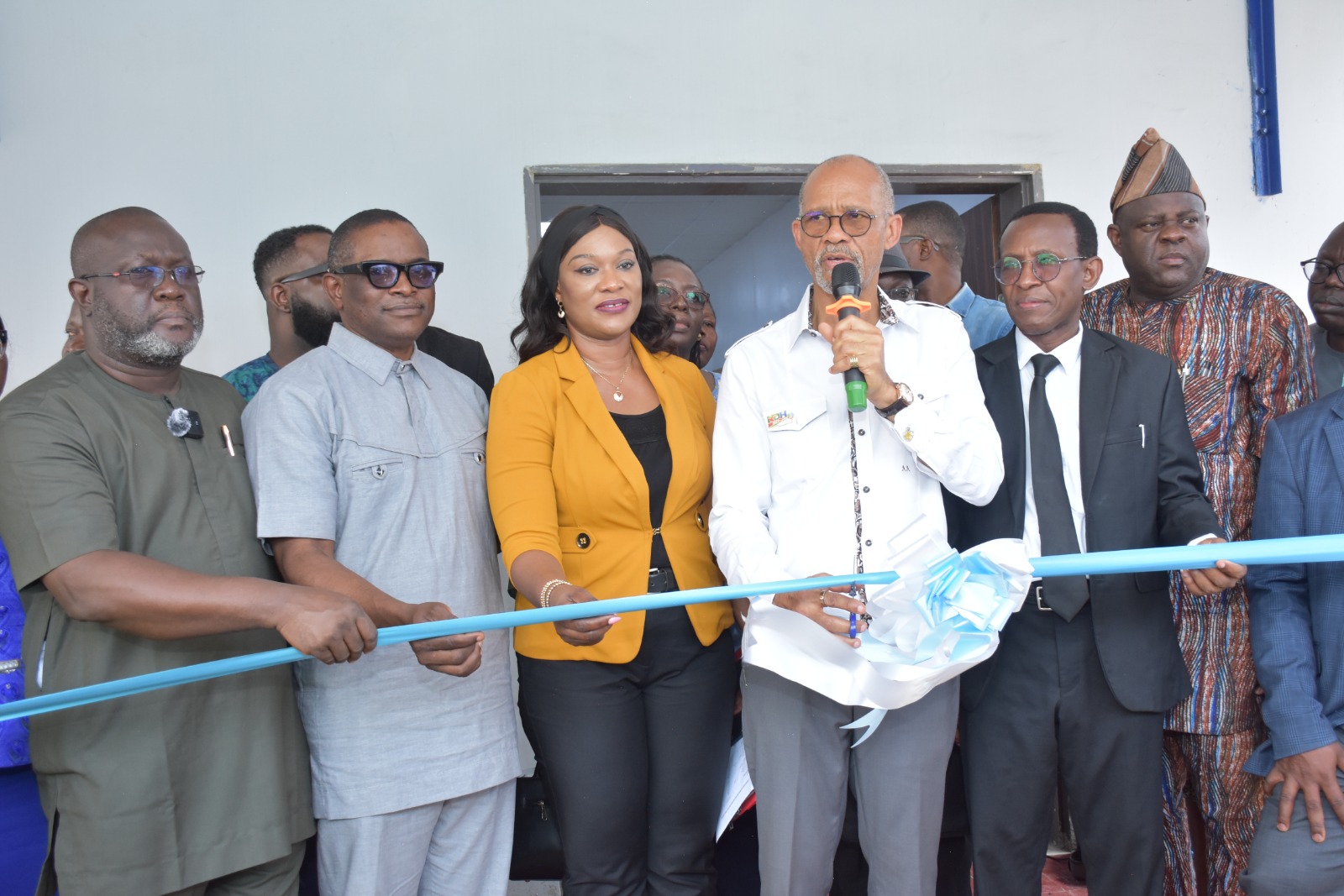
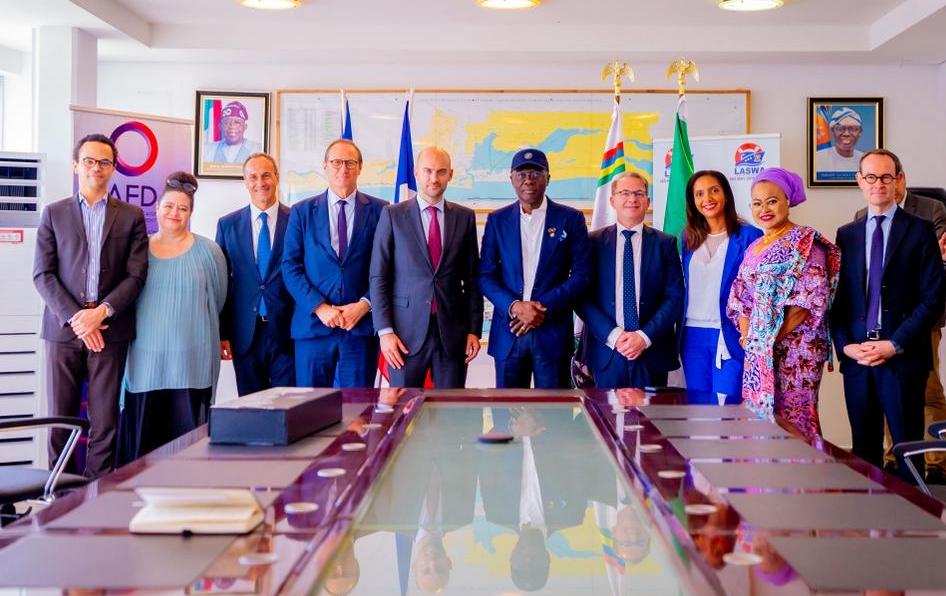
Governor Babajide Sanwo-Olu, who performed the groundbreaking ceremony on Friday, described the project as a “bold statement” reaffirming Lagos’ leadership in sustainable and integrated transportation development.
The initiative, funded through the Global Gateway Initiative, the French Development Agency (AFD), the EU, and the European Investment Bank (EIB)—which provided a €360 million subsidised loan—marks the transition of Lagos’ inland waterways plan from concept to reality.
Two-Phase Implementation
The project will be implemented by the Lagos State Waterways Authority (LASWA) and completed in two phases, with full execution expected by 2030.
The first phase will involve channelisation, dredging, and marking of 140km of ferry routes, with 15 priority routes earmarked for development. The plan also includes the construction of 25 ferry terminals and jetties equipped with electric charging stations for hybrid and electric vessels, onshore depots for vessel maintenance, and improved road connections to integrate ferry terminals with other transport networks.
“From Barriers to Corridors of Opportunity”
Governor Sanwo-Olu described the launch as historic, recalling Lagos’ origins as a city of waterways.
“Every Lagosian knows the frustration of traffic. But few remember that Lagos began as a network of islands, knitted together by water,” he said. “The Omi-Eko project is a comprehensive, future-oriented blueprint for sustainable mobility—merging technology, environmental stewardship, and smart design. Lagos is not waiting to catch up; we are setting the pace.”
He emphasized that the investment would reduce CO₂ emissions by 41,000 tonnes annually, provide transport for 25,000 passengers per year, and save commuters up to three hours per trip.
According to the Governor, the project’s goal is to make water transport seamless, reduce the carbon footprint, and transform waterways “from barriers of separation into corridors of opportunity.”
Endorsements from Key Stakeholders
Former Lagos Governor Babatunde Raji Fashola, who established LASWA in 2008, attended the launch and commended the Sanwo-Olu administration for nurturing the agency into a globally recognized institution. He expressed confidence that the EU-backed initiative would expand the state’s integrated transport network.
Commissioner for Transportation, Seun Osiyemi, said the Omi-Eko project represents the final piece of Lagos’ Integrated Multimodal Transportation System, promoting sustainability, inclusivity, and innovation while creating jobs and reducing congestion.
Special Adviser on the Blue Economy and LASWA General Manager, Damilola Emmanuel, confirmed that 70 hybrid-electric ferries would be deployed upon completion, alongside upgrades to 20 existing jetties and the dredging of 15 ferry routes. He added that the initiative would support the informal boat sector through targeted funding, promoting a thriving water-based economy.
EU, French Officials Hail Partnership
French Minister for Europe and Foreign Affairs, Jean-Noel Barrot, lauded the collaboration as a model of effective partnership, describing Lagos’ waterways as an untapped goldmine for urban mobility.
EU Ambassador to Nigeria, Gautier Mignot, called the Omi-Eko project “a historic milestone” that aligns with the EU’s Global Gateway Strategy, which supports the development of 12 strategic waterways corridors across West Africa.
“We are proud to be part of this project, which exemplifies the best of global cooperation to improve lives and promote sustainable mobility,” Mignot said.
With the launch of the Omi-Eko project, Lagos sets a new benchmark for climate-friendly, efficient, and inclusive urban transportation, positioning the state as a continental leader in blue economy innovation.


