
By Ayomide Otitoju
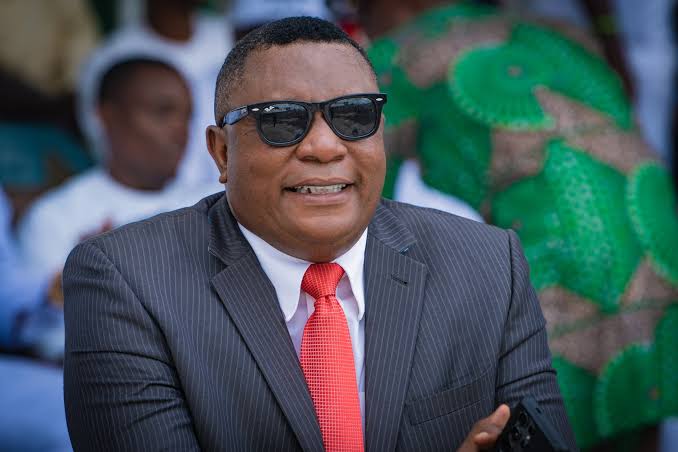
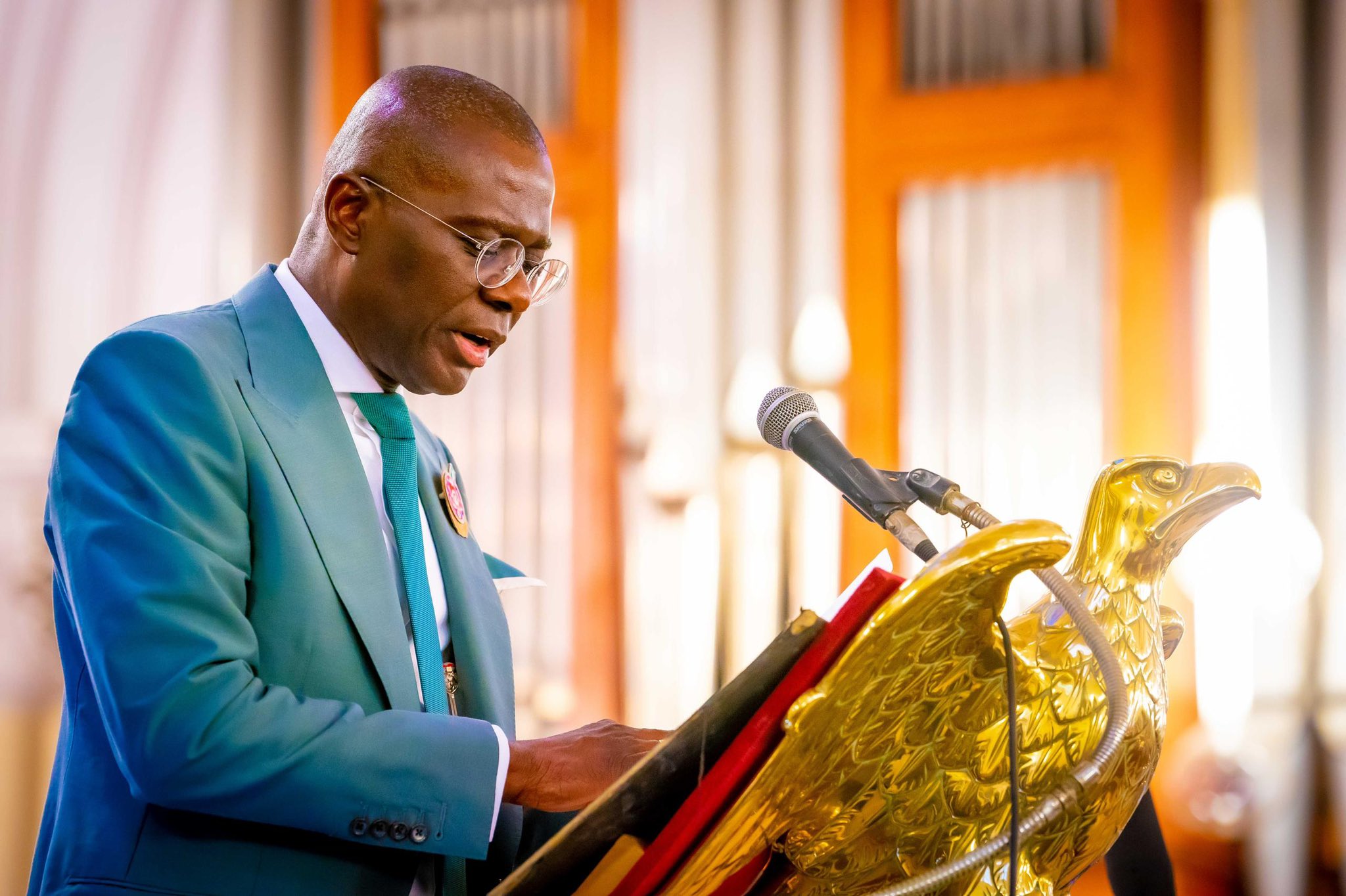
Lagos State Governor Babajide Sanwo-Olu has highlighted Lagos as a premier destination for investors, citing its $259 billion GDP, robust infrastructure, and business-friendly policies. Speaking at Harvard Business School during Professor Hakeem Belo-Osagie’s course, “Understanding Africa: Business, Entrepreneurship, Political Economy and the Complexities of a Continent,” Sanwo-Olu described Lagos as “a business and commercial powerhouse” and a place where “people come in without anything and become somebody”.
Sanwo-Olu’s presentation, themed “Building the Future: Lagos State Infrastructure-led Transformation,” underscored the state’s economic achievements and ambitious vision. Lagos, now Africa’s second-largest city economy after Cairo, has seen its GDP surge to $259 billion, reflecting significant growth and resilience amid ongoing reforms and infrastructure investments[1][6][8]. The state’s economy expanded from ₦19.65 trillion in 2023 to ₦27.38 trillion in the first half of 2024, with projections for continued growth into 2025.
The governor detailed major infrastructure projects, including the Blue Line-Africa’s first intra-city rail, which has transported over two million passengers-and the operational Red Line. He also announced plans for a new airport on the Lekki-Epe corridor and the forthcoming Green Line, set to link more parts of Lagos to the island.
Sanwo-Olu emphasized strides in education, technology, and healthcare, noting the establishment of two new universities and a forthcoming University of Medical Science to address workforce gaps. He positioned Lagos as a leading tech hub, aiming to supply global companies like Microsoft and Amazon with skilled talent as part of a 30-year development plan.
Highlighting Lagos’ youthful, tech-savvy population-estimated at 25 million-Sanwo-Olu pointed to opportunities in tourism, arts, and culture, mentioning recent international film recognitions and efforts to formalize the entertainment calendar.
The governor also cited achievements in road construction, housing, and clean transportation, with over 1,000 roads built or rehabilitated and more than 3,000 housing units delivered. Health sector advancements include new general and mental health hospitals and the soon-to-be-largest children’s hospital in Sub-Saharan Africa.
Responding to questions on energy, Sanwo-Olu noted the recent unbundling of Nigeria’s power sector, enabling states to license and concession power projects directly to investors.
Encouraging his audience to consider Lagos for investment, Sanwo-Olu concluded, “Some markets are saturated. They have built all the infrastructure they need; we are still building. Lagos is the place to invest,” drawing enthusiastic applause from the international student audience.