



By Ayomide Otitoju
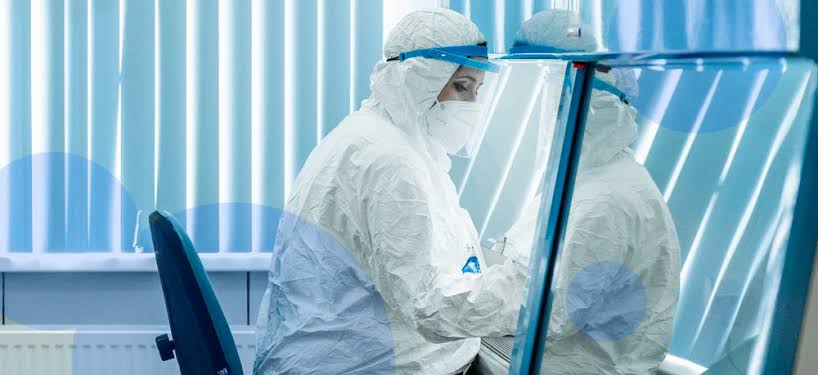
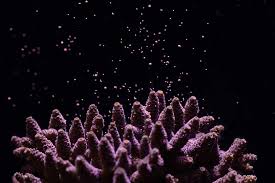
In a groundbreaking conservation effort, Nature Seychelles, in partnership with Coral Spawning International and supported by Canon, has recorded its first successful coral spawning at the newly established on-land coral breeding laboratory on Praslin Island, Seychelles. The lab, part of Nature Seychelles’ Assisted Recovery of Corals (ARC) facility, aims to restore coral reefs through controlled sexual reproduction, enhancing genetic diversity and resilience against climate change.
Since opening in November 2025, the lab has produced approximately 800,000 coral embryos from 14 colonies of Acropora tenuis cf. macrostoma. Early results are promising, with around 65,000 juvenile corals successfully settling—an indicator of improved reef diversity and thermal resilience.
Unlike traditional “coral gardening” methods, which yield genetically identical corals, the new facility enables controlled sexual reproduction. Canon’s advanced imaging technology has played a key role, allowing scientists to monitor spawning events in unprecedented detail and build a genetic bank of resilient coral species.
“Witnessing our first successful spawning event at the lab has been incredibly rewarding,” said Dr. Nirmal Shah, CEO of Nature Seychelles. “This lab, thanks to Canon’s support, has changed what is possible for coral restoration in the Seychelles. We are moving from proof of concept to impact at scale, focusing on increasing production, understanding priority species, and opening the lab to students and partners.”
Dr. Jamie Craggs, marine scientist and co-founder of Coral Spawning International, added: “Canon imaging technology has allowed us to observe critical reproductive processes with clarity we could only dream of before. This initial spawning marks the first of many events, providing essential data on coral reproductive timing and early growth.”
Looking ahead, the team plans to outplant juvenile corals into reefs, monitor their survival, and expand local technical expertise to scale restoration efforts.
Peter Bragg, Sustainability and Government Affairs Director at Canon EMEA, highlighted the technology’s impact: “The lab’s successful spawning events show how technology can drive scientific progress, revealing previously unseen processes of coral reproduction and supporting a sustainable future for marine ecosystems.”
This achievement positions the Seychelles ARC facility as a leading model for innovative coral restoration and conservation worldwide.