







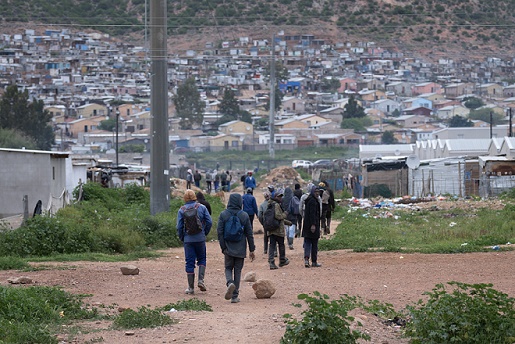
South Africa’s agriculture, manufacturing and domestic sectors are grappling with severe labour shortages following the departure of thousands of foreign workers amid anti-migrant protests and intensified immigration enforcement.
The mass exodus, triggered by an unofficial June 30 deadline issued by anti-foreigner groups for undocumented migrants to leave the country, has seen more than 160,000 people return to their home countries, according to figures compiled from African governments repatriating their citizens.
Zimbabwe accounted for the largest number of returnees, many of whom had been employed in South Africa’s farming, construction and domestic work sectors.
In the country’s fruit-producing regions, farmers say the loss of experienced workers has disrupted harvesting operations.
Zimbabwean farmworker Aaron Majatamhe said citrus farms are struggling to harvest crops due to a shortage of labour.
“I see a lot of farm owners who are crying now… people have to harvest those naartjies but there is no one,” the 33-year-old told AFP.
He warned that vineyards are facing similar challenges as the grape harvesting season begins.
Several farmers reported losing large portions of their workforce within weeks. A sugarcane farmer on South Africa’s north coast said up to 80 per cent of his cane-cutting workers had left, threatening production and the viability of local mills.
Another grower near Mid-Illovo said most cane cutters in the area came from neighbouring Lesotho, adding that many South Africans were unwilling to take up the physically demanding jobs.
However, labour unions rejected claims that local workers are unwilling to work, arguing instead that many employers prefer migrant labour because it is cheaper and offers fewer demands for employment benefits and legal protections.
Patrick Williams, a local organiser with the Commercial, Stevedoring, Agricultural and Allied Workers Union, alleged that many foreign workers are paid below the national minimum wage and often work long hours without adequate breaks.
The labour shortage has also affected South Africa’s manufacturing sector.
A manager at a clothing factory in Durban’s Chatsworth industrial area said the departure of experienced machinists from Malawi and Mozambique has made it difficult to meet production targets, noting that replacing skilled workers will take time.
The South African government has responded by promoting a “locals first” employment policy while acknowledging that some industries remain heavily dependent on foreign labour.
Last week, authorities expanded the Trusted Employer Scheme, which fast-tracks work visas for companies that meet conditions including prioritising South African workers, investing in skills development and operating in key economic sectors.
Industry stakeholders have called on the government to introduce legal pathways for seasonal migrant workers, warning that sectors such as agriculture cannot replace experienced foreign labour overnight.
Chief Executive Officer of the South African Farmers Development Association, Siyabonga Madlala, said the country should consider introducing a regulated seasonal worker programme similar to that of the United States, particularly for workers from member states of the Southern African Development Community (SADC).
Meanwhile, many migrants who left South Africa say concerns over their safety outweighed economic considerations.
According to police data, at least four foreign nationals were killed during the recent unrest.
Zimbabwean national Wayne Chimbadzwa Mutasa, who had lived in Robertson since 2014, said he decided to leave after police allegedly conducted door-to-door operations targeting foreign nationals suspected of living in the country illegally.
He said many migrants feared remaining in South Africa despite lacking the financial means to return home, as uncertainty over their safety continued to grow.


