








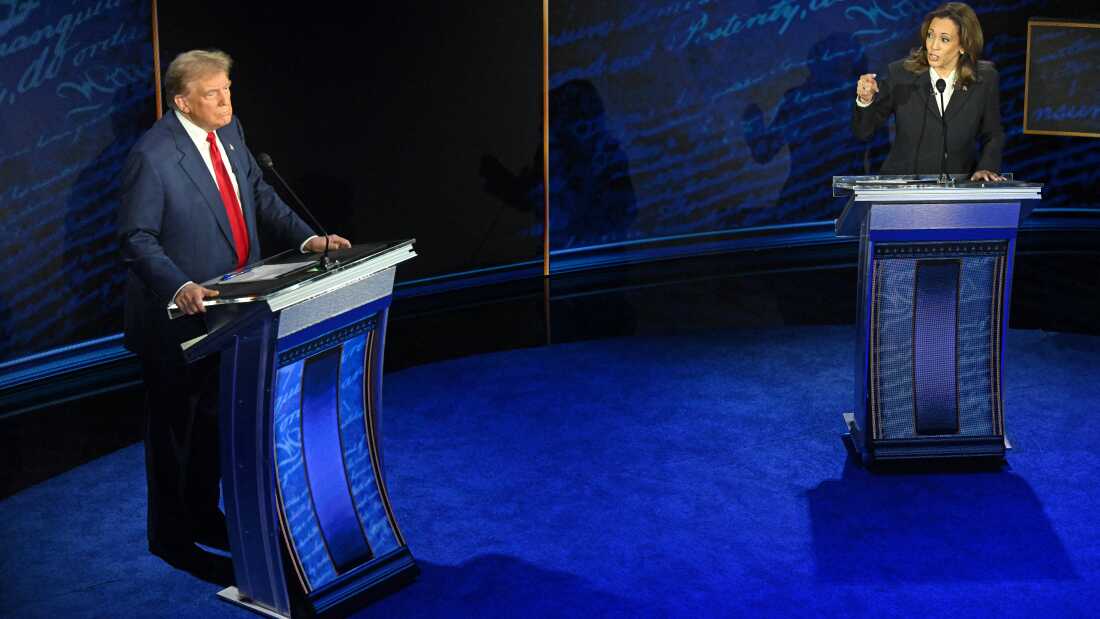
In the upcoming US presidential election, Donald Trump and Kamala Harris present sharply contrasting visions for climate policy, underscoring the potential global consequences of the vote. Although climate change is not at the forefront of campaign issues, the stakes are high, with the US being the world’s second-largest greenhouse gas emitter.
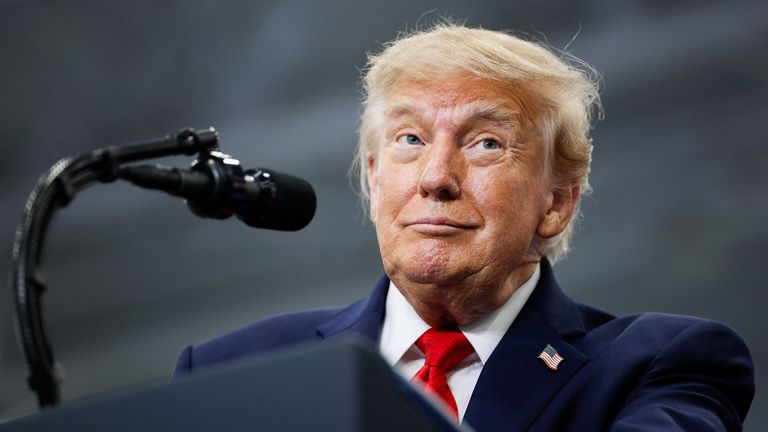
Donald Trump has consistently dismissed climate change, calling it a “hoax,” and has vowed to dismantle climate policies introduced by the Biden-Harris administration if elected. His win could derail the US’s climate agenda, hampering progress toward critical global warming targets. Trump has pledged to withdraw from the Paris Agreement once more, undoing President Joe Biden’s 2021 re-commitment to the accord, which seeks a 50% reduction in US emissions by 2030. Analysts warn a Trump victory would strain global climate negotiations, starting with the COP29 climate summit, set to begin six days after Election Day.
In contrast, Kamala Harris has championed a strong climate agenda. Her campaign emphasizes US leadership in international climate diplomacy and continued efforts to cut carbon emissions. While Harris has not centered climate in her campaign rhetoric, her record has won her support from environmental groups. A past co-sponsor of the Green New Deal, Harris has opposed fracking and fought oil companies as California’s attorney general. Most recently, she played a decisive role in passing the Inflation Reduction Act, which is driving historic investment in green energy.
The candidates’ policies carry significant implications. Trump has pledged to rescind unspent climate funds from the IRA, lift restrictions on liquefied natural gas exports, and cancel proposed regulations on electric vehicle emissions. Additionally, he intends to eliminate EPA regulations targeting carbon emissions from power plants, a move that could see increased litigation, according to Fatima Ahmad, a climate policy expert.
While state and private climate initiatives would likely continue under a Trump administration, experts caution the potential national impact. According to Carbon Brief, a Trump win could result in an additional four billion tons of CO₂ emissions by 2030, equivalent to the combined annual emissions of the European Union and Japan.
With the outcome of the election set to influence climate policy worldwide, Leah Stokes, a political scientist at UC Santa Barbara, noted, “The outcome of the American election will have ramifications for the whole planet.”


