



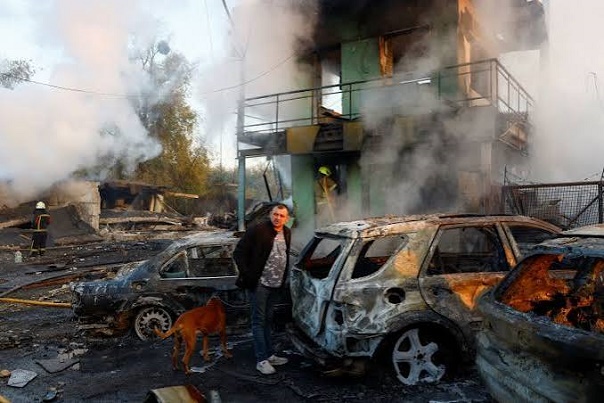
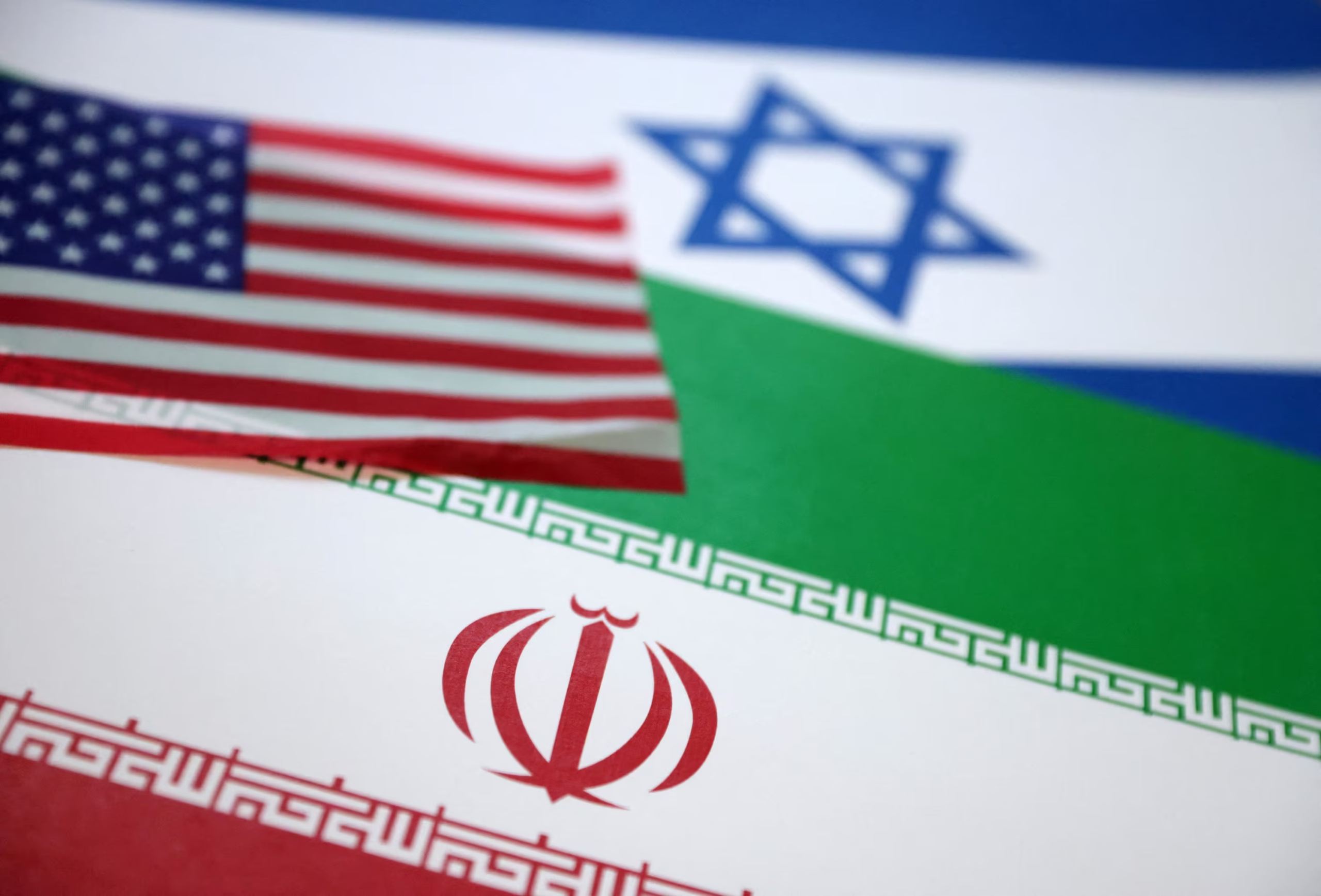
The recent US and Israeli strikes on Iran come amid heightened tensions following Tehran’s violent suppression of nationwide protests and stalled negotiations with Washington over critical security issues, including Iran’s nuclear programme, ballistic missiles and regional proxy networks.
Mass demonstrations initially erupted in Tehran in late December over worsening economic conditions before spreading across the country in what evolved into a broad anti-government movement. The protests peaked on January 8 and 9, triggering a sweeping crackdown by Iranian authorities.
The US-based Human Rights Activists News Agency (HRANA) reported that more than 7,000 people — most of them protesters — were killed during the unrest, cautioning that the actual toll could be significantly higher. It also said over 53,000 individuals have been arrested since January.
US President Donald Trump has cited 32,000 deaths, referencing figures from Persian-language media outlets operating outside Iran.
Iranian officials, however, acknowledge more than 3,000 deaths but attribute the violence to what they described as “terrorist acts” allegedly orchestrated by the United States and Israel.
Amid the crackdown, Trump pledged support to the Iranian people on January 13, declaring that “help is on its way,” while ordering what he described as the largest US military build-up in the Middle East in decades.
Although the US president initially focused on Tehran’s handling of the protests, attention quickly shifted to Iran’s nuclear activities — a longstanding source of friction between Tehran and Western powers. The United States and its allies have accused Iran of pursuing nuclear weapons capability, an allegation the Islamic Republic denies.
Washington has called for a complete ban on uranium enrichment, including for civilian purposes. Tehran maintains its nuclear programme is peaceful, despite enriching uranium to 60 per cent purity — a level that exceeds typical civilian energy requirements.
Indirect talks between the United States and Iran opened in Geneva this week in an effort to revive a nuclear agreement. However, negotiations concluded on Thursday without a breakthrough, amid reports that Washington sought to broaden discussions to include Iran’s ballistic missile programme and its regional proxy network.
In his State of the Union address to Congress on Tuesday, Trump warned of Iran’s “sinister nuclear ambitions,” alleging that Tehran was developing weapons capable of reaching the United States.
Iran’s Foreign Minister, Abbas Araghchi, cautioned on Friday that Washington must abandon its “excessive demands” if it seeks an agreement, without elaborating on the specific conditions referenced.
Frustration mounted in Washington after Tehran reportedly refused to discuss its ballistic missile programme. Israel has similarly pressed for the issue to be addressed, arguing that Iran’s short- and medium-range missile arsenals pose a direct threat to its security.
Trump said on Wednesday that Iran had developed missiles capable of targeting Europe and US military installations abroad, and warned that weapons under development could “soon reach” the United States.
Tehran has consistently rejected negotiations over its missile programme, asserting that its defence capabilities are non-negotiable and necessary for national security.
Beyond the nuclear file, the United States and Israel have pledged to dismantle Iran’s so-called “axis of resistance” — a regional network of armed groups that includes Hezbollah in Lebanon, Hamas in the Palestinian territories, the Houthis in Yemen, and various militias in Iraq.
In a post on his Truth Social platform on Saturday, Trump vowed to prevent what he described as Iran-backed proxies from destabilising the region and targeting US forces. He accused Tehran of arming and funding militant groups across Lebanon, Yemen, Syria and Iraq, and condemned the October 7 attacks on Israel by Hamas.
Hezbollah and the Houthis have also launched attacks targeting Israel in recent months, while Washington has cited repeated strikes against US forces and naval assets in the Middle East, as well as threats to commercial shipping routes, as justification for its hardened stance toward Tehran.


