






By Ayomide Otitoju
The United Nations World Food Programme (WFP) has warned that escalating conflict in northern Nigeria, combined with declining humanitarian funding, is driving food insecurity to levels not seen in nearly a decade.
The agency said new data shows that more than 17 million people across nine conflict-affected states are currently facing crisis, emergency or catastrophic levels of hunger.
Serigne Loum, WFP Deputy Country Director in Nigeria, said rising insecurity is worsening humanitarian access and displacing vulnerable communities.
“Across all of northern Nigeria we have been seeing an increase and spread in insurgent attacks and violence,” Loum said. “Families are being forced from their homes and it’s getting harder for WFP to access people who urgently need food assistance.”
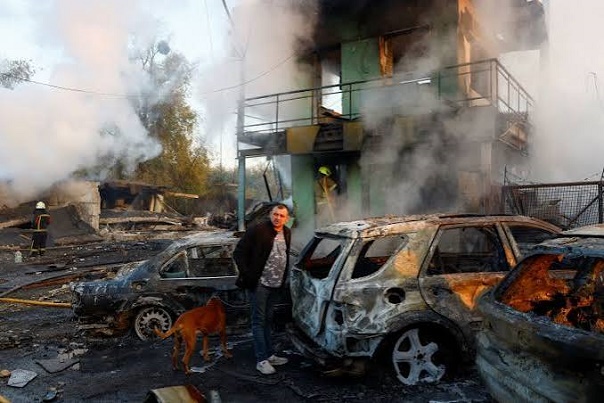
Nigeria has faced a jihadist insurgency in the north-east since 2009, with renewed violence reported since 2025. The north-west is also grappling with banditry and overlapping insecurity, further compounding the humanitarian situation.
The WFP said the expanding conflict is pushing people away from farmland, increasing displacement and restricting aid delivery routes. It also noted that cuts in international assistance, including from the United States and other Western donors, have further strained response efforts in recent years.
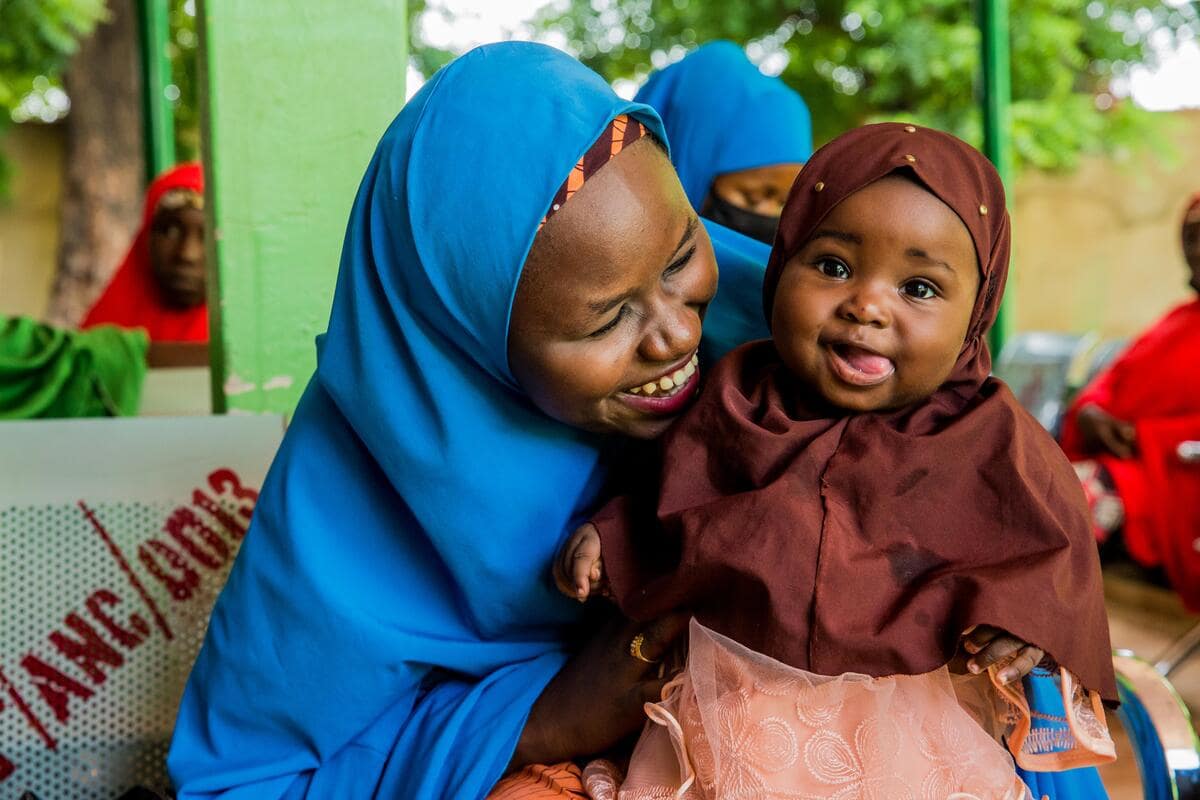
A displaced mother in Borno State, identified as Habiba, described severe food shortages, saying families sometimes go without meals for days. “Sometimes we do not get food for two nights,” she said, adding that she gave birth under conditions of extreme hardship.
The agency further warned that the number of inaccessible locations for frontline staff has doubled, while insecurity along major supply routes continues to disrupt humanitarian operations.
It said the suspension of food assistance is forcing some vulnerable people into extreme coping strategies, including joining armed groups in search of survival. It also raised concerns over rising cases of exploitation and gender-based violence in displacement camps, particularly affecting women and children.
The WFP said it requires $89 million over the next six months to sustain food and nutrition assistance in northern Nigeria, warning that failure to secure funding could further worsen hunger levels.


