






By Ayomide Otitoju
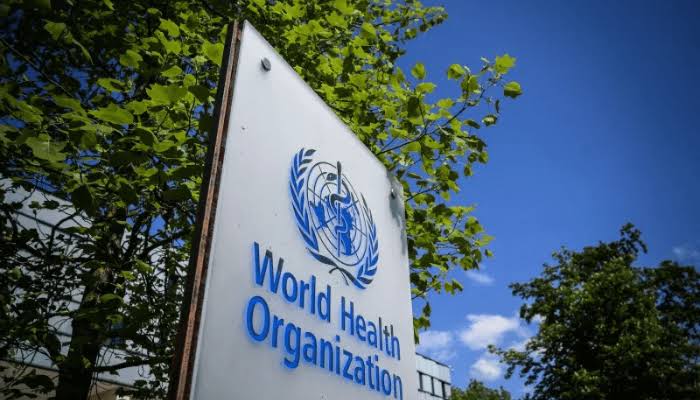
The World Health Organization convened the inaugural Global Forum of Collaborating Centres, bringing together representatives from over 800 institutions across more than 80 countries. The forum marks a historic gathering of one of the world’s largest and most diverse public health networks.
During the meeting, scientists discussed emerging global health threats, highlighting the need for coordinated action and the potential to leverage partnerships for innovative solutions. The forum concluded with a commitment to move beyond traditional scientific projects toward dynamic, integrated collaborations.
WHO’s Collaborating Centres (CCs) network, rooted in the Organization’s constitutional mandate, has been a cornerstone of global health since 1949. Rather than creating its own institutions, WHO coordinates and amplifies existing expertise worldwide. Over the past 77 years, the network has expanded to include leading public health, research, academic, and technical institutions, supporting innovation, capacity building, and the translation of scientific knowledge into life-saving action.
“WHO’s network of collaborating centres is an immensely valuable but under-utilized resource for global health,” said Tedros Adhanom Ghebreyesus. “It brings together the world’s leading institutions to translate evidence into action, strengthen health systems, and protect populations. Collaborating centres demonstrate the power of international cooperation and what it means to stand with science.”
The forum aligns with the ongoing One Health Summit, which connects experts in human, animal, and environmental health, and forms a central component of the 2026 World Health Day campaign, themed “Together for health. Stand with science.”
“Science is at the heart of everything we do to protect and improve health,” said Sylvie Briand. “The global network of WHO collaborating centres represents an extraordinary concentration of scientific expertise and public health leadership. Together, they form a powerful force for knowledge, innovation, and action, indispensable for protecting lives and shaping a healthier future.”
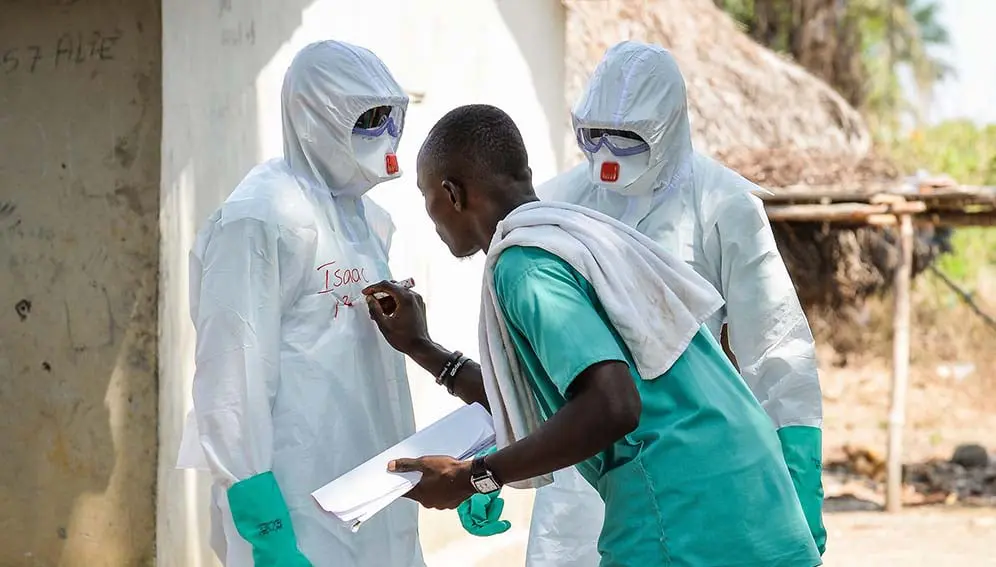
WHO also announced the expansion of its network through the Collaborative Open Research Consortia (CORC), connecting thousands of scientists globally to accelerate development of vaccines, diagnostics, and treatments for “Disease X,” the unknown pathogen that could trigger the next pandemic.
Participants stressed that international cooperation remains crucial, particularly as global health financing faces reductions. Coordinated responses and collective investment are key to preventing local health crises from escalating into global emergencies.
The next Global Forum of Collaborating Centres is scheduled for 2027, aiming to further strengthen this landmark platform for global scientific collaboration and public health preparedness.