






By Ayomide Otitoju
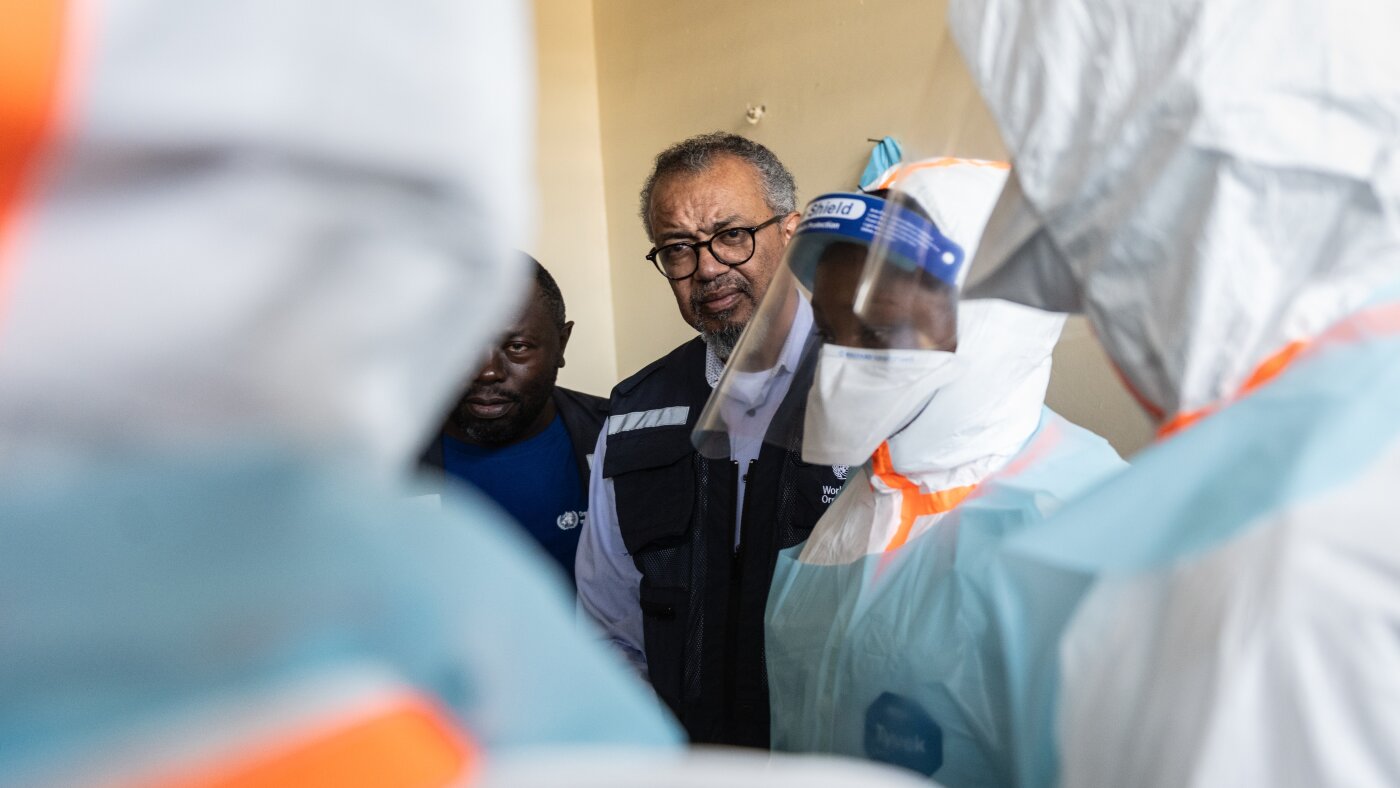
The World Health Organization (WHO) has significantly revised downward the number of suspected Ebola cases linked to the ongoing outbreak in Central Africa, reporting 116 suspected cases as of May 31, compared to more than 900 cases previously recorded.
In an update issued on Tuesday, the WHO said 321 Ebola cases have now been confirmed in the Democratic Republic of Congo (DRC), including 48 deaths, while neighbouring Uganda has recorded nine confirmed cases and one death.
WHO spokesperson Christian Lindmeier explained that the sharp decline in suspected cases—from 906 reported late last week to 116—resulted from ongoing laboratory testing that ruled out many patients initially identified through surveillance systems.
According to him, all individuals presenting symptoms consistent with Ebola are classified as suspected cases pending diagnostic confirmation.
“Anybody who gets picked up by surveillance or presents themselves in a health facility with any symptoms that could be Ebola-like is counted as a suspected case,” Lindmeier said.
He noted that many of those initially suspected of carrying the virus were later diagnosed with other illnesses, including malaria, meningitis and typhoid fever, which share similar early symptoms with Ebola.
“Once they are tested and found not to have Ebola, they are removed from the suspected cases list,” he explained.
The outbreak was officially declared on May 15 in Ituri Province in northeastern DRC, a region affected by prolonged insecurity and humanitarian challenges. Health authorities believe the virus may have been circulating undetected for several weeks before the outbreak was formally identified.
The current outbreak is caused by the Bundibugyo strain of the Ebola virus, which often presents symptoms resembling flu, malaria or typhoid fever in its early stages, complicating detection efforts.
Lindmeier noted that while confirmed case numbers are expected to rise as testing continues, the number of suspected cases may fluctuate as investigations progress.
The WHO also discontinued reporting a separate category of suspected Ebola-related deaths, which had previously stood at 223 fatalities. Lindmeier said the figures were highly uncertain because many of the deaths occurred before the outbreak was identified and, in some cases, remains could not be tested.
Health officials reported that six patients who contracted Ebola during the outbreak have recovered.
The WHO reiterated that there is currently no approved vaccine or treatment specifically for the Bundibugyo strain. As a result, containment efforts continue to focus on surveillance, early detection, isolation of cases, contact tracing and public awareness campaigns.
The outbreak has raised concerns across the region as health authorities work to prevent further transmission of the virus, which spreads through close contact with infected individuals and bodily fluids and can cause severe haemorrhagic fever.


