




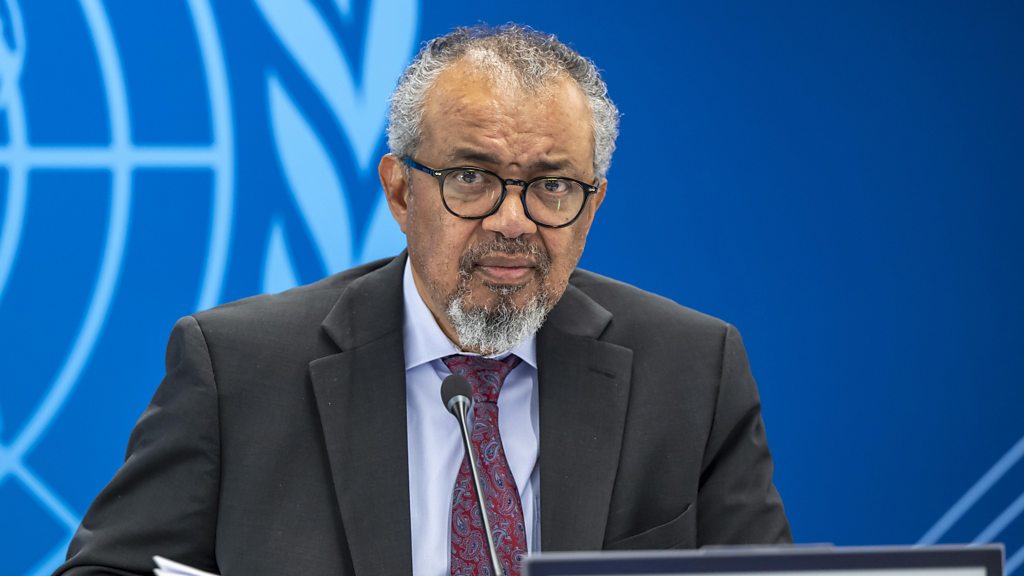
WHO Director-General, Dr. Tedros Adhanom Ghebreyesus, issued the warning on Monday, saying he would travel to the DRC on Tuesday as the country remains the epicentre of the current outbreak.
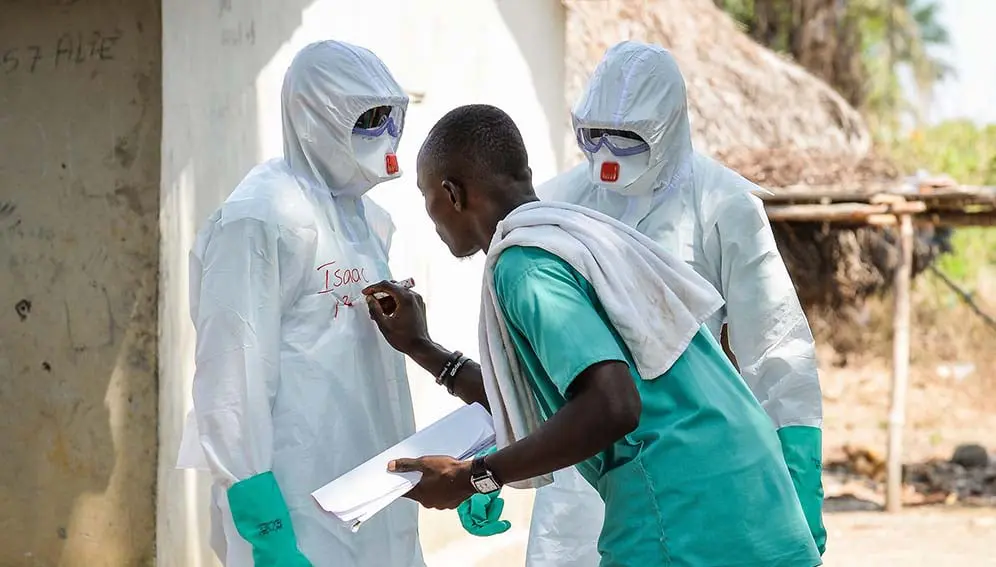
“The outbreak is spreading rapidly,” Tedros said during a virtual ministerial briefing on the viral haemorrhagic fever, which spreads through direct contact with infected bodily fluids and can lead to severe bleeding and organ failure.
He described the situation as “especially challenging,” noting that delayed detection had made containment efforts more difficult.
“We are now playing catch-up with a very fast-moving epidemic. We are urgently scaling up operations, but at the moment, the epidemic is outpacing us,” he said via videolink from Geneva.
He further explained that insecurity in eastern DRC, where the outbreak was first detected on May 15, is complicating response efforts, alongside growing mistrust of external health authorities among local communities.
Tedros also noted that there are currently no approved vaccines or treatments for the Bundibugyo strain of Ebola responsible for the outbreak.
According to the WHO, 10 confirmed deaths and 220 suspected fatalities have been recorded in the DRC since the outbreak began, while one death has also been reported in neighbouring Uganda.
Meanwhile, the Africa Centres for Disease Control and Prevention (Africa CDC) has warned that up to 10 African countries, in addition to the DRC and Uganda, are at risk of being affected by the virus.


