





By Ayomide Otitoju
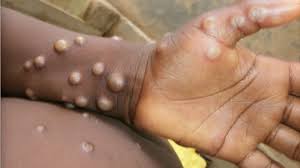
The Democratic Republic of the Congo (DRC) has reported over 18,000 suspected cases of mpox this year, leading to 629 deaths, according to the World Health Organization (WHO). The outbreak is particularly severe in the eastern provinces of North and South Kivu, where a new clade 1b strain has emerged, accounting for more than 5,000 cases and 31 deaths.
While the number of clade 1b cases has risen sharply in recent weeks, the mortality rate has fortunately declined. Beyond the DRC, 258 cases of clade 1b have been confirmed in Burundi, four in Rwanda, four in Uganda, two in Kenya, and one case each in Sweden and Thailand.
WHO Director-General, Dr. Tedros Adhanom Ghebreyesus, recently returned from the DRC, where he met with President Félix Tshisekedi to discuss the outbreaks. Dr. Tedros commended President Tshisekedi’s leadership and the government’s commitment of $10 million to combat the outbreaks. He assured the President of WHO’s continued support, along with assistance from the Africa CDC and other partners.
Efforts to curb the spread of mpox include scaling up routine immunizations for other diseases such as polio, measles, and malaria, while also mobilizing resources to accelerate vaccine access and delivery. WHO is reviewing emergency use applications for two vaccines submitted by manufacturers on August 23, with Gavi and UNICEF poised to procure these vaccines for low-income countries.
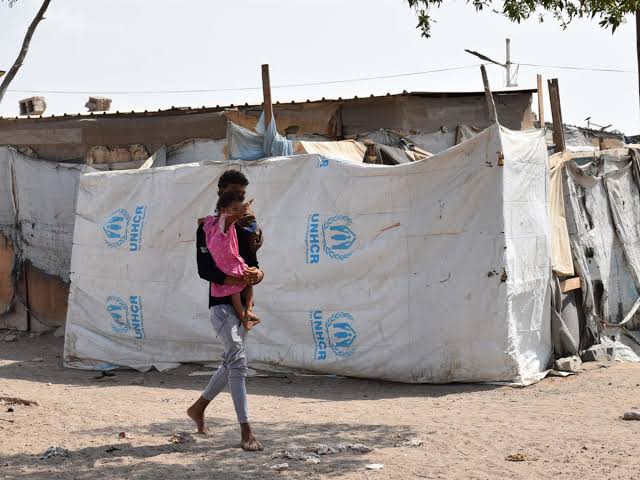
The outbreak’s epicenter in the DRC faces additional challenges due to poverty and insecurity, complicating the response. Nonetheless, WHO personnel and partners are actively working on the ground to control the situation. Dr. Tedros expressed optimism that with coordinated efforts and government leadership, the outbreaks can be contained within six months.
In related efforts, WHO is also addressing other health crises, including the recent polio vaccination campaign in Gaza, aiming to immunize over 640,000 children, and the cholera response in Sudan, where WHO has deployed essential vaccines and supplies.
Dr. Tedros highlighted the need for political solutions to the long-standing insecurity in the affected regions, emphasizing that the best remedy for health crises is peace.