








By Ayomide Otitoju
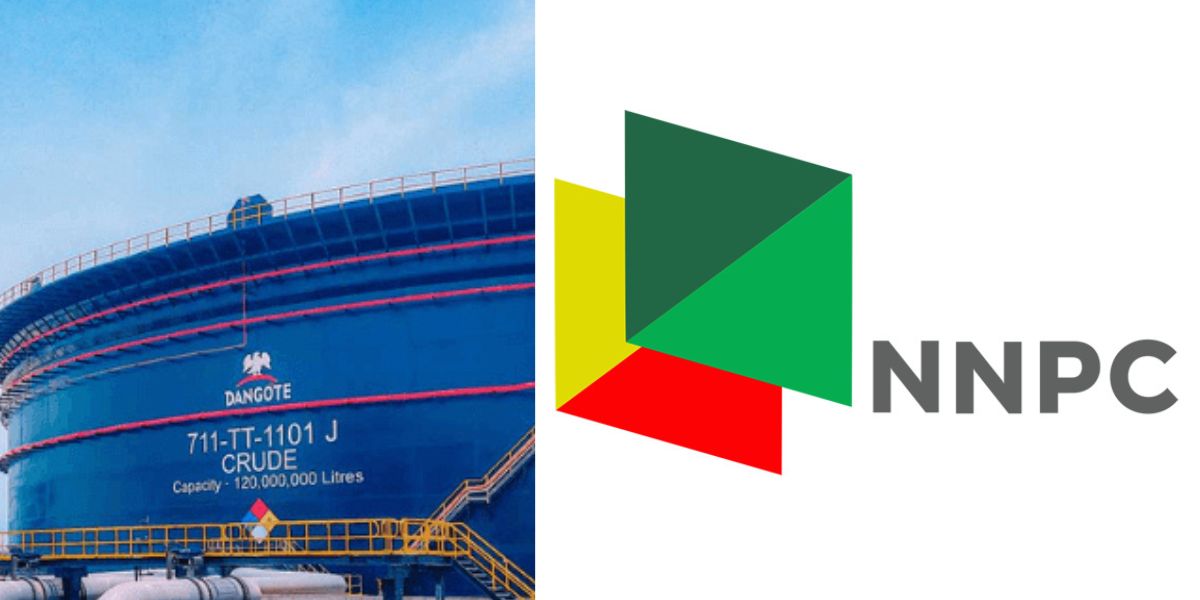
Economic analyst Paul Alaje has described the ongoing price competition between Dangote Refinery and the Nigerian National Petroleum Company Limited (NNPCL) as a positive development that will curb excessive profits and drive down fuel costs for Nigerians.
Speaking on Channels Television’s Politics Today on Tuesday, Alaje noted that in economic terms, the competition between the two industry giants will ultimately benefit the masses.
“You may call it a price war, but in economics, when a duopoly competes, it is the best outcome for the populace as both players push prices towards neutrality,” he said.
The $20 billion Dangote Refinery, owned by billionaire industrialist Aliko Dangote, recently reduced its ex-depot price of petrol from ₦890 to ₦825 per litre. This adjustment led to retail prices of ₦860 per litre in Lagos, ₦870 in the South-West, ₦880 in the North, and ₦890 in the South-South and South-East. The refinery had earlier slashed diesel prices, prompting a competitive response from NNPCL, which lowered its retail petrol price from ₦945 to ₦860 per litre in Lagos and adjusted prices accordingly across the country.
Alaje urged Nigerians to welcome the competition, emphasizing that any collusion between the two would lead to skyrocketing fuel prices, potentially exceeding ₦1,000 per litre. He also stressed the need for NNPCL to increase local production instead of relying on fuel imports to effectively compete with Dangote Refinery.
Nigeria, which has long depended on imported petroleum products due to the inactivity of its state-owned refineries, has faced chronic fuel shortages. Since President Bola Tinubu’s removal of fuel subsidies in May 2023, petrol prices have surged from around ₦200 per litre to nearly ₦1,000 per litre, worsening the economic burden on citizens.
Dangote Refinery, which began operations in December 2024 with an initial capacity of 350,000 barrels per day, aims to ramp up production to 650,000 barrels per day by year-end. The facility has already commenced the supply of diesel, aviation fuel, and petrol to the domestic market.