

By ayomide Otitoju
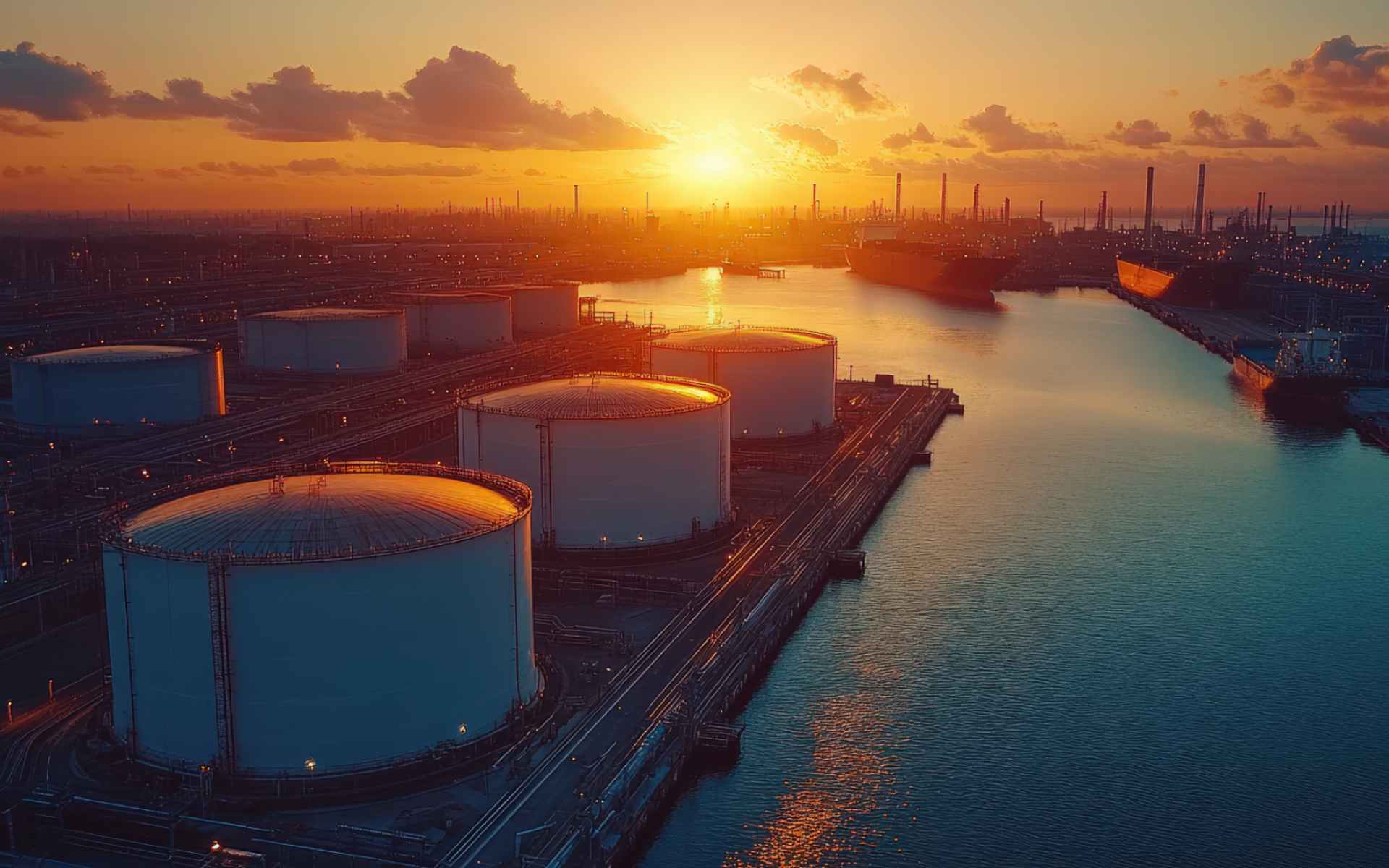
As Europe seeks alternatives to Russian gas, the Invest in African Energy (IAE) 2026 Forum in Paris will feature a Ministerial Dialogue titled “Unlocking Africa’s Gas Supply for Global Energy Security”, focusing on how Africa can leverage its untapped gas reserves to meet rising global demand. The session will explore strategies for transforming African gas into a sustainable and reliable energy source while attracting long-term investment.
Recent developments highlight Africa’s growing importance in global energy. The European Union recently agreed to phase out remaining Russian gas imports, with short-term contracts continuing until June 2026 and long-term agreements until January 2028. The European Commission also aims to end Russian LNG imports by January 2027 under broader sanctions targeting Moscow’s energy revenues.
African producers are already responding. Algeria renewed its gas supply deal with ČEZ Group to ensure continued deliveries to the Czech Republic. Libya’s National Oil Corporation approved new compressors at the Bahr Essalam field to increase output through the Greenstream pipeline to Italy. Offshore, the Structures A&E project—led by Eni and Libya’s NOC—plans to bring two platforms online by 2026, producing up to 750 million cubic feet per day.
West Africa is advancing ambitious export initiatives. Nigeria, Algeria, and Niger have revived the Trans-Saharan Gas Pipeline (TSGP), with engineering firm Penspen commissioned to revalidate feasibility. The proposed $25 billion Nigeria–Morocco pipeline is progressing as a long-term corridor to Europe. Additionally, the Greater Tortue Ahmeyim (GTA) LNG project off Mauritania and Senegal began operations earlier this year, with its first phase targeting 2.3 million tons annually; the project delivered its third cargo to Belgium in June, marking the first African LNG shipment from GTA to Europe.
The Ministerial Dialogue at IAE 2026 will examine how Africa can scale up gas exports while managing investment, regulatory frameworks, environmental impacts, and community engagement. For Europe, supply diversification is critical; for African producers, it represents an opportunity to accelerate development, enhance infrastructure, and attract capital.
The Forum will bring African energy ministers, European policymakers, industry leaders, and investors together to discuss practical solutions for supply, export strategies, and future cooperation, positioning Africa as a key player in the evolving global energy landscape.