







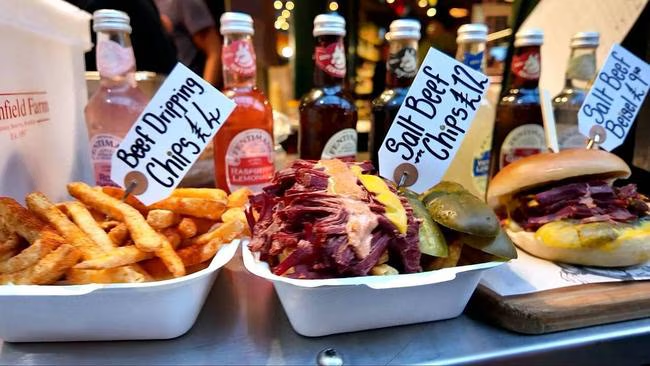
New regulations came into effect in the UK on Monday, banning daytime television and online advertising of high-fat, salt, or sugar foods—commonly referred to as “junk food”—in a move the government describes as “world-leading” in the fight against childhood obesity.
The Department of Health estimates the ban, covering ads aired before the 9:00 pm watershed and all paid online promotions, could remove up to 7.2 billion calories from children’s diets annually. Officials predict it will reduce the number of children living with obesity by around 20,000 and deliver approximately £2 billion ($2.7 billion) in health benefits.
The measure, first announced in December 2024, follows other recent initiatives including an extended sugar tax on pre-packaged drinks like milkshakes, ready-to-go coffees, and sweetened yoghurts. Local authorities have also been granted powers to prevent fast-food outlets from opening near schools.
Health Minister Ashley Dalton said the restrictions aim to reduce children’s exposure to unhealthy foods and shift the NHS focus from treatment to prevention. “By restricting adverts for junk food before 9 pm and banning paid adverts online, we can remove excessive exposure to unhealthy foods,” he said.
Evidence cited by the government shows that advertising influences children’s eating habits from a young age. About 22% of children entering primary school in England are overweight or obese, rising to more than a third by the time they reach secondary school. Tooth decay, primarily caused by sugary foods, is the leading cause of UK hospital admissions among children aged five to nine.
The Obesity Health Alliance welcomed the move, calling it a “long-awaited step” to protect children from harmful food advertising. Diabetes UK also praised the ban, with CEO Colette Marshall warning that rising obesity rates increase the risk of type 2 diabetes and related complications, including kidney and heart disease, among young people.