



By Ayomide Otitoju
The Economic and Financial Crimes Commission (EFCC) has said delays in prosecuting some high-profile corruption cases are due to the time required to gather sufficient evidence, not inactivity or selective enforcement.
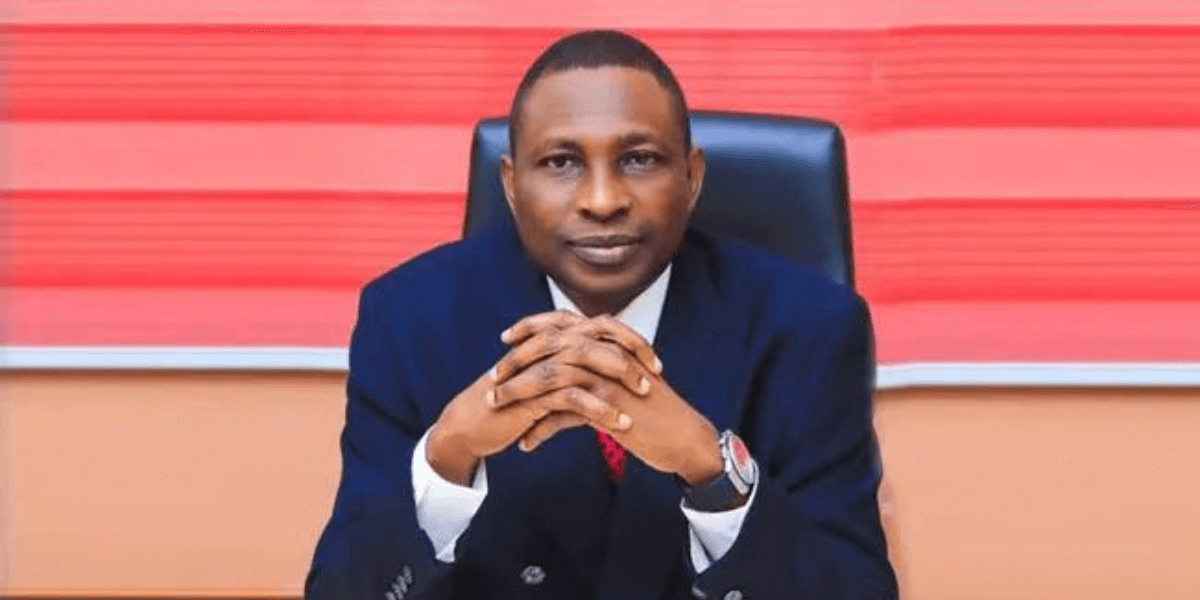
EFCC Chairman Ola Olukoyede made the clarification during an interview on Sunday Politics, aired on Channels Television. He explained that cases involving politically exposed persons and large-scale public corruption require extensive and painstaking investigations before charges can be filed.
According to Olukoyede, the speed of prosecution varies depending on the nature of the offence. “In 48 hours, I can investigate and arraign a cybercriminal. It is just a matter of getting the devices, and I am done,” he said. “But when it comes to politically exposed persons or high-profile corruption, it takes time, and I cannot go to court when I am not ready.”
The EFCC chairman stressed that the length of time some cases take to reach the courts should not be interpreted as inaction by the commission. He noted that legal bottlenecks, particularly in cases involving assets or funds located outside Nigeria, often slow down the process.
Addressing accusations from critics and opposition figures that the agency shields influential politicians, Olukoyede dismissed claims of bias, insisting that the commission’s work is guided strictly by evidence and due process.
He also rejected allegations that the EFCC targets members of the opposition, citing the case involving former Attorney-General of the Federation and Minister of Justice, Abubakar Malami, who had accused the commission of acting on the basis of political affiliation.
“There is nothing personal in this matter,” Olukoyede said. “If Nigeria is to move forward, all of us must agree that this fight must be carried out without partisanship.”


