








By Ayomide Otitoju
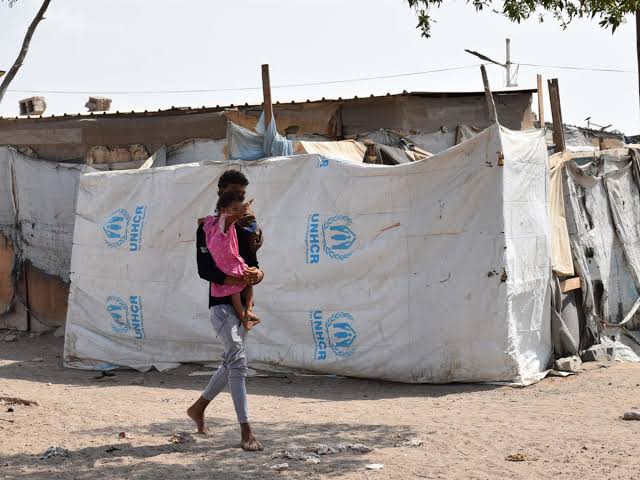
The escalating conflict in Yemen has displaced more than 200,000 people across 10 governorates, increasing the risk of cholera, measles and other infectious diseases amid overcrowding, poor access to safe water and disrupted health services, the World Health Organization (WHO) has warned.
The latest escalation, which began on August 6, has coincided with a sharp rise in cholera transmission, with suspected cases tripling from 217 in epidemiological week 36 to 647 in week 39.
Yemen has recorded 8,034 suspected cholera cases and 27 deaths this year, with a quarter of the cases reported in the last four weeks.
Five governorates in the south-west — Abyan, Lahj, Al-Dhale’e, Taiz and Aden — account for 92 per cent of reported cases. Cholera has also spread to remote displacement camps in Hadramout, where access for health teams remains difficult.
Measles poses another major threat, particularly to children. More than 22,800 suspected cases and 128 deaths have been reported this year, while vaccination coverage for each of the two recommended doses is estimated at just 45 per cent.
WHO Regional Emergency Director, Dr Annette Heinzelmann, warned that displaced families were increasingly exposed to preventable diseases.
“Without urgent funding and unimpeded access to safe water, vaccination and essential health services, outbreaks could spread rapidly among already vulnerable communities,” she said.
The rising disease burden is placing additional pressure on health facilities already treating thousands of people injured in the conflict. About 500 health facilities across nine affected governorates lack support from partners, according to WHO.
The organisation is working with Yemen’s Ministry of Public Health and Population to strengthen disease surveillance and outbreak response. Its interventions include 18 rapid response teams, 10 diarrhoea treatment centres, cholera and measles kits, and diagnostic tests.
WHO has also delivered essential medicines, intravenous fluids, antibiotics and infection prevention supplies to Aden.
The crisis is extending beyond Yemen’s borders, with more than 3,800 people fleeing the violence arriving in Djibouti as of October 2, placing further pressure on already limited health services.
In Obock, health authorities had reported 44 cases of acute watery diarrhoea and one death as of October 8. Conditions are particularly concerning at Markazi refugee camp, which has only one health centre with limited staff and supplies.
WHO said additional funding was urgently needed to contain outbreaks, sustain essential health services and protect displaced populations.
Of the $31 million required for its 90-day emergency response in Yemen, the organisation has secured $3.78 million. Alongside $490,000 released from its Contingency Fund for Emergencies, this leaves a funding gap of $26.7 million.
In Djibouti, only $150,000 of the $700,000 required has been received, leaving a shortfall of $550,000.
WHO said additional resources would support disease surveillance in displacement sites, deployment of rapid response teams, expanded cholera treatment capacity, and improved water, sanitation and hygiene services.
In Djibouti, the funding would also strengthen surveillance along displacement routes, expand treatment capacity in Obock and support the operationalisation of the Public Health Emergency Operations Centre.


