





By Ayomide Otitoju
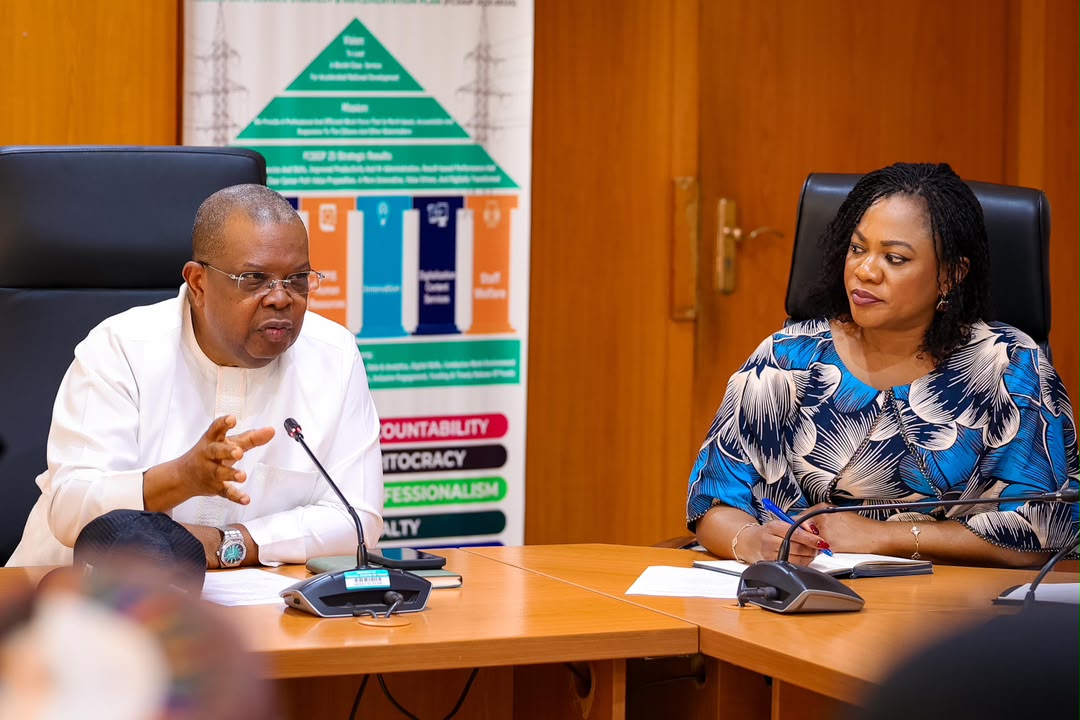
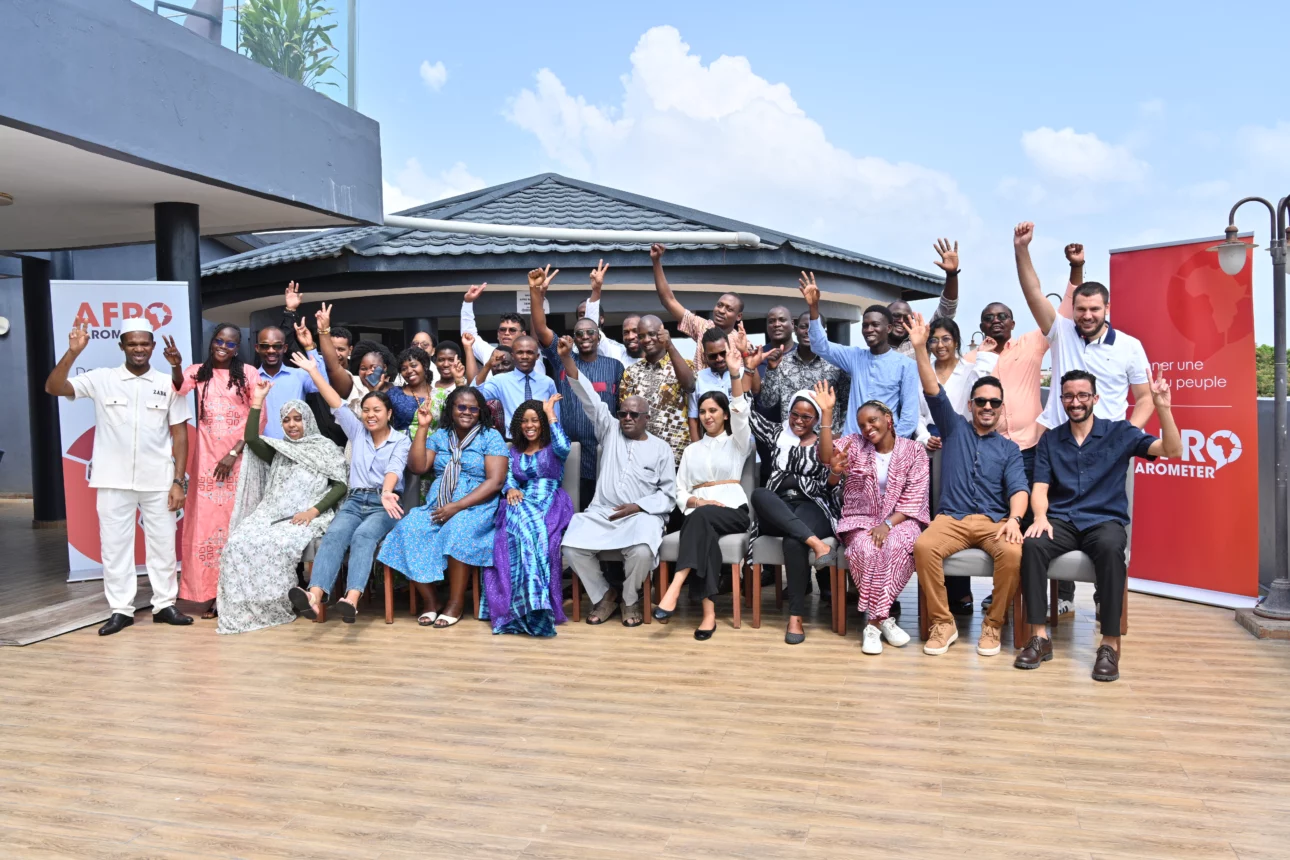
Twenty-six young francophone African researchers have completed intensive training in research design, data analysis, and scientific writing at the 2025 Afrobarometer summer school and thematic workshop, held from 3–21 November in Cotonou, Benin.
The annual summer school, offered in French or English across different regions of Africa, provides early-career researchers with foundational skills in survey methodology and quantitative analysis. This year’s programme focused on applying public opinion data to examine issues such as democracy, governance, climate change, gender, migration, trade, and access to health care.
Running alongside the summer school, the thematic workshop brought together Afrobarometer network researchers, academics, and practitioners to deepen their expertise in advanced quantitative methods. Participants received training in multiple linear and logistic regression, applied these techniques to Afrobarometer survey data, and engaged in collaborative learning and networking to support future research partnerships.
Several participants described the training as a pivotal milestone in their professional development.
Toavina Rafidimanana, data manager at COEF-Ressources, Afrobarometer’s national partner in Madagascar, said the programme sharpened his ability to interpret survey findings for evidence-based decision-making.
Similarly, Farmata Diarra, a specialist in social and solidarity economy, noted that the training significantly enhanced young researchers’ capacity to process and analyse data.
Eteke Ngoungou Yolande, an economist and doctoral candidate at the University of Yaoundé II, described the workshop as “a pivotal moment” in her research journey. She expressed plans to promote Afrobarometer within academic circles and encourage fellow researchers to incorporate its data into their work.
Afrobarometer says the training initiative underscores its commitment to developing the next generation of African researchers and advancing evidence-based policymaking across the continent.


