






By Ayomide Otitoju
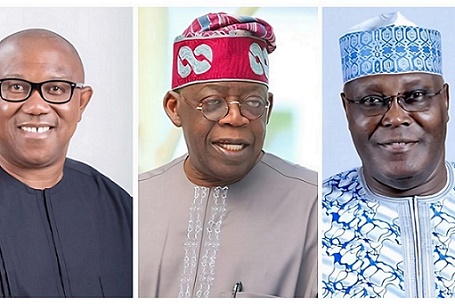
Former Vice President Atiku Abubakar and Labour Party presidential candidate Peter Obi on Friday used the 2026 Workers’ Day to draw attention to the challenges facing Nigerian workers, criticising the economic policies of President Bola Ahmed Tinubu’s administration.
Workers’ Day, observed globally on May 1, honours the contributions of labour and advocates improved working conditions.
In a message shared via his X handle, Obi described workers as the backbone of society, acknowledging their roles across sectors including education, healthcare, agriculture, transportation, security, and manufacturing. He, however, noted that many Nigerians are struggling amid rising inflation, high food prices, and increased transport costs, which have significantly eroded purchasing power.
“It is deeply painful that those who wake up every day to teach, heal, build, farm, produce, transport, protect, and serve our nation are still denied the dignity and fair reward their labour deserves,” he said.
Obi stressed that national development cannot be achieved without prioritising workers’ welfare and urged citizens to leverage their collective political influence to demand accountable leadership defined by competence and integrity.
In a separate statement, Atiku adopted a more critical tone, stating that he observed the day in “grief” rather than celebration. He accused the current administration of worsening economic conditions under its “Renewed Hope” agenda, arguing that workers have borne the brunt of recent policy decisions.
“The Nigerian worker has been the primary victim of an administration that is more interested in increasing revenue than improving the lives of citizens,” he said.
Atiku criticised the implementation of fuel subsidy removal, describing it as a necessary reform poorly executed without adequate safeguards. According to him, the policy triggered increases in transportation and food costs, intensifying economic hardship.
He also questioned the utilisation of funds reportedly saved from subsidy removal, noting a lack of visible impact on citizens and raising concerns over transparency in major infrastructure projects, including the Lagos-Calabar Coastal Highway.
While both leaders approached the issue from different perspectives, they aligned on the need to prioritise workers in national development, with Obi emphasising civic engagement and Atiku focusing on economic policy outcomes.


