




By Ayomide Otitoju
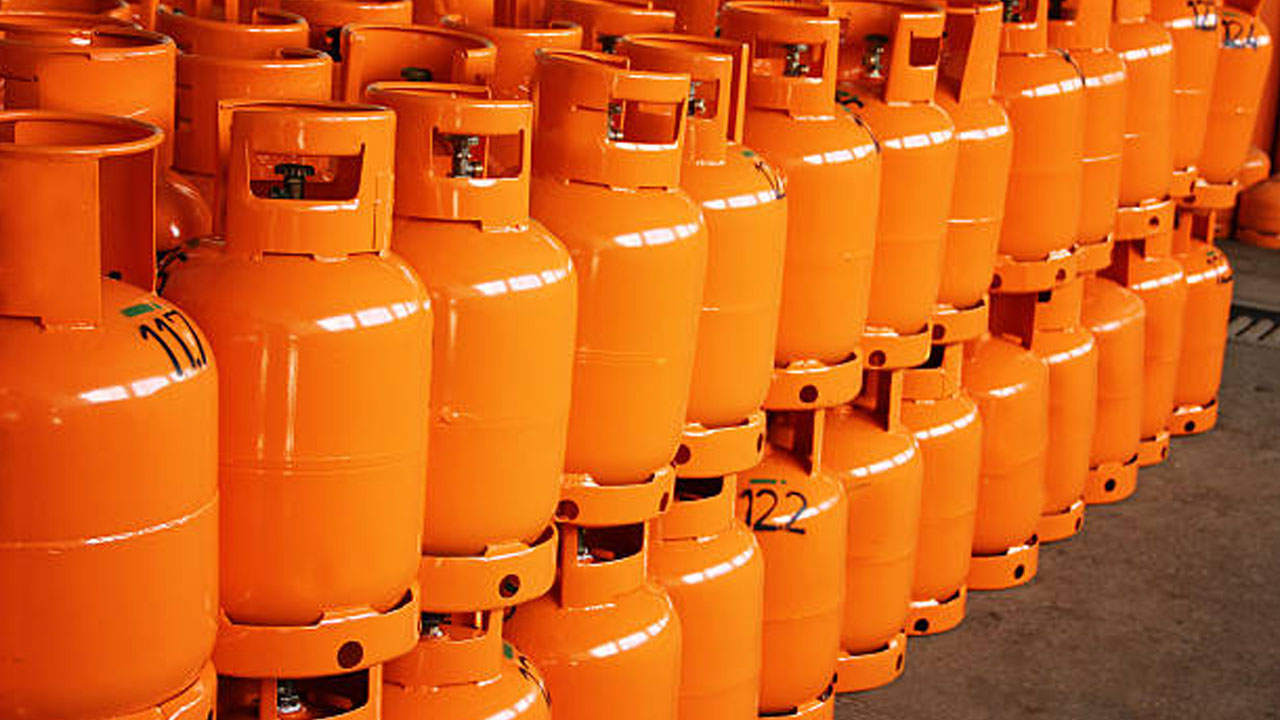
The price of refilling a 12.5kg cylinder of Liquefied Petroleum Gas (LPG), commonly known as cooking gas, has surged to ₦25,000 this week from ₦17,500 the previous week, reflecting a sharp rise driven by supply disruptions and market imbalances.
Checks by Vanguard revealed that the retail price of 1kg of LPG now ranges between ₦1,500 and ₦2,000, depending on the location, with consumers across Lagos and its environs struggling to access the product. Several gas plants were shut down on Sunday due to stock shortages, forcing buyers to move from one outlet to another in search of supplies.
Speaking with Vanguard, Mr. Bassey Essien, Executive Secretary of the Nigerian Association of Liquefied Petroleum Gas Marketers (NALPGAM), attributed the price hike to distribution challenges caused by the recent industrial action by the Petroleum and Natural Gas Senior Staff Association of Nigeria (PENGASSAN).
“Dangote Petroleum Refinery is currently the highest local supplier of cooking gas in Nigeria. The crisis involving PENGASSAN disrupted distribution, preventing many dealers from replenishing their stocks,” Essien said.
“What we are witnessing is a typical demand-and-supply situation. Demand currently outweighs supply, but we expect stability in the coming days following the resolution of the conflict.”
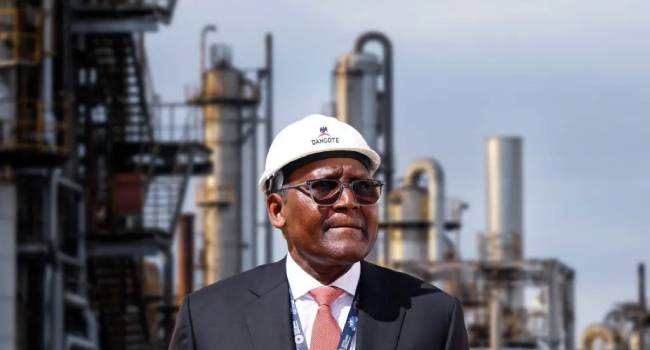
The development comes amid ongoing efforts by Dangote Petroleum Refinery to boost domestic LPG production. Recently, Aliko Dangote, President of the Dangote Group, revealed that the refinery produces about 2,000 tonnes of LPG daily, with plans to ramp up output to meet growing national demand.
Dangote expressed concern over Nigeria’s persistent energy poverty, stating that the refinery may consider direct sales to consumers if distributors fail to lower prices.
“If distributors do not bring prices down, we’ll sell directly to consumers to encourage a shift from firewood and kerosene to LPG for cooking,” he said.
Before Dangote’s intervention, Nigeria’s domestic LPG demand was largely met by Nigeria LNG Limited (NLNG), which has been supplying Butane—commonly known as cooking gas—under its Domestic LPG (DLPG) scheme since 2007.
In a statement, NLNG reaffirmed its commitment to ensuring nationwide access to clean energy, noting that it has dedicated 100% of its Butane production to the domestic market since 2022.
“We supply Butane to approved off-takers through coastal LPG terminals in Lagos and Rivers States, with expansion plans to Delta and other regions,” NLNG stated.
“We have also chartered a dedicated vessel to ensure regular and reliable delivery of Butane, making cooking gas more available, accessible, affordable, and acceptable across the country.”
Despite these interventions, rising prices continue to strain households, highlighting the urgent need for improved distribution and pricing mechanisms within Nigeria’s LPG market.