






By Ayomide Otitoju
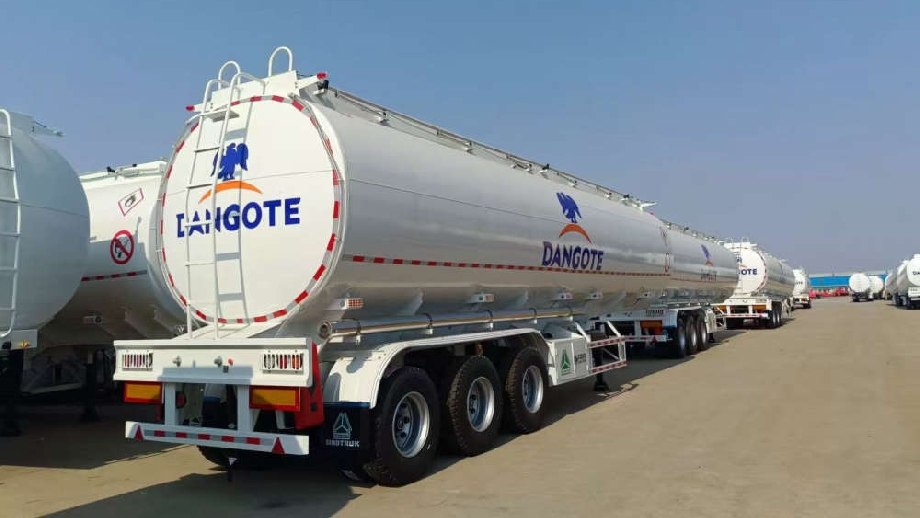
Dangote Petroleum Refinery has announced an increase in the price of Premium Motor Spirit (PMS) to N1,245 per litre, up from N1,175, citing rising global crude oil prices triggered by escalating tensions in the Middle East.
In a notice issued to marketers on Friday, the refinery stated that its ex-depot (gantry) price would rise to N1,245 per litre, while the coastal price increased from N1,512,648 to N1,606,518 per metric tonne.
The company attributed the price adjustment to prevailing global market conditions, including fluctuations in crude oil prices—now above $100 per barrel—and increased shipping costs, factors it said are beyond its control.
The refinery, however, noted that marketers with existing supply agreements backed by valid bank guarantees would still be able to lift products at the previous rate, provided the guarantees cover the price differential. It added that any outstanding cost differences would be debited to marketers’ trading accounts, with proof of payment required by March 23.
In a separate statement, the refinery maintained that Nigeria continues to have relatively low petrol prices compared to global averages, despite recent increases driven by geopolitical developments.
Citing data from GlobalPetrolPrices.com, the refinery said petrol in Nigeria currently averages $0.88 (N1,191.39) per litre, significantly below the global average of $1.32 (N1,787.08) per litre.
It noted that prices remain higher in several key markets, including the United States, India, and South Africa, and significantly elevated in advanced economies such as the United Kingdom, France, and Germany, with Hong Kong recording some of the highest rates globally.
Within West Africa, the refinery said Nigeria also maintains a competitive pricing position, with neighbouring countries such as Togo, Benin, Ghana, and Cameroon recording higher petrol prices.
The refinery attributed Nigeria’s relative price stability to its operations, stating that it has helped moderate domestic price volatility by absorbing part of the global cost pressures while ensuring consistent supply.
It added that only a few countries globally maintain petrol prices below $1 per litre without some form of government intervention.
Despite Nigeria’s shift to a deregulated fuel market following the removal of subsidies in 2023, the refinery said it continues to play a stabilising role in the sector.
According to the company, domestic petrol prices have risen by about 35 to 40 per cent since the onset of the current crisis, a lower increase compared to some countries, including Cambodia and Vietnam, where prices have surged more sharply.
The latest adjustment marks the fourth petrol price increase by the refinery in March, with PMS prices rising progressively from about N774 earlier in the month to N875, N995, N1,175, and now N1,245 per litre.