






By Ayomide Otitoju
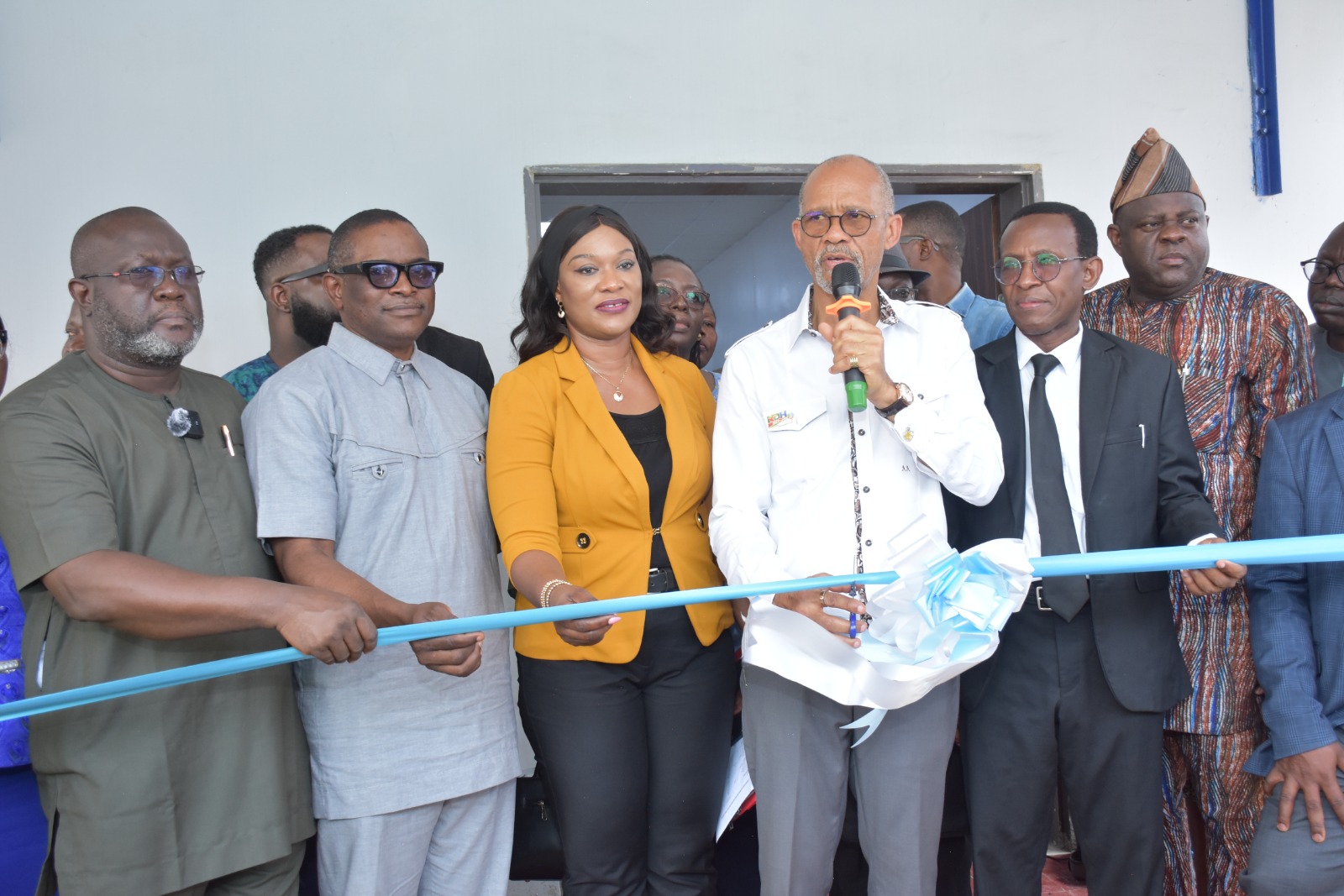
Dangote Petroleum Refinery Plc has assured Nigerians that Premium Motor Spirit (PMS) scarcity is over, declaring the country has entered a new era of fuel abundance. The assurance was given by the refinery’s newly appointed Managing Director, David Bird, at a press briefing in Lagos on Wednesday.
Bird noted that the facility maintained seamless fuel supplies during the recent Christmas and New Year period, stressing that Nigeria now consumes world-quality Euro 5 fuels, with gasoline exported to Europe and jet fuel shipped to markets like Dubai. He criticised past imports of substandard fuels in West Africa, highlighting that Dangote Refinery’s output represents both higher volume and improved public health due to lower sulphur content and cleaner standards.
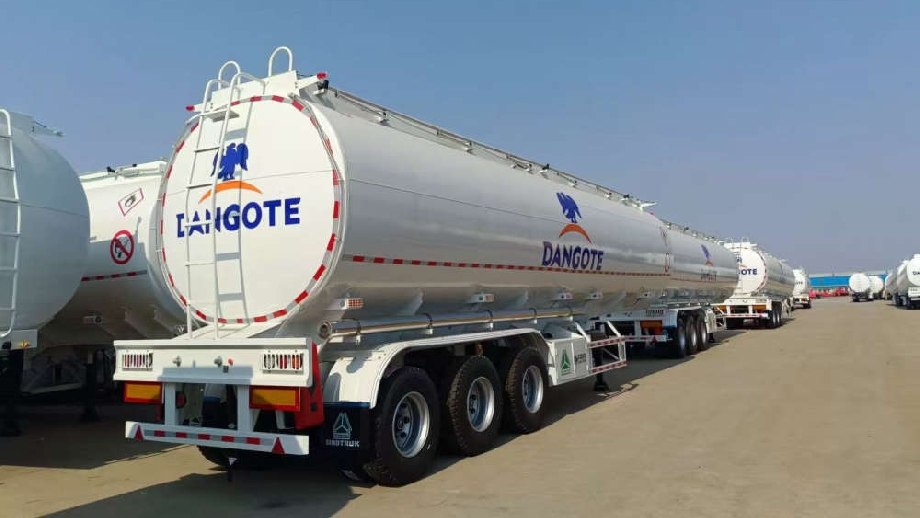
“We have been able to achieve 1,000 trucks daily and 500 million litres a day,” Bird said, adding that stable and lower fuel prices contribute to economic stability, including support for the naira.
On expansion plans, Bird revealed that Dangote Refinery intends to increase polypropylene production to 2.4 million tonnes, strengthen domestic manufacturing, and create a robust industrial ecosystem. The MD emphasised that the focus is on capacity building rather than the controversial reorganisation in October.
Debunking claims that the current N739 petrol price is “anti-competitive,” Bird said the retail price is fully competitive, giving consumers choice.
Anthony Chiejina, Head of Communications for the Dangote Group, highlighted that local production insulates Nigeria from global oil price volatility, citing the ongoing crisis in Venezuela. Bird added that domestic refining ensures price stability and reduces exposure to international shocks.
The refinery, he said, operates as a flexible merchant refining, blending, and trading platform, capable of supplying over 50 million litres of finished fuel daily. Current off-take matches production levels, and excess volumes can be exported.
Regarding logistics, Bird noted that about 4,000 trucks are on site and a computerised security system will soon ensure customers receive exact purchased volumes.
On polypropylene, the existing plant produces 800,000 tonnes, with an additional PDH unit raising output to 1.2 million tonnes, eventually reaching 2.4 million tonnes. Future diversification plans include detergents, base oils, lubricants, and LPG to meet domestic demand.
On the crude-for-naira programme, Bird said 30–40% of the refinery’s crude comes from the scheme, contributing to naira stabilisation. He confirmed ongoing engagement with NNPC and the government to improve crude allocations, emphasising its long-term benefits for Nigeria’s energy and financial sectors.