




By Ayomide Otitoju
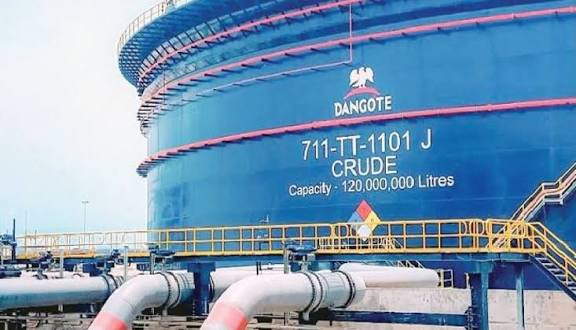
Nigerians may face higher fuel prices as the Dangote Petroleum Refinery has temporarily suspended the sale of petroleum products in naira, citing the need to align its revenue with crude oil purchase obligations, which are denominated in U.S. dollars.
“This decision is necessary to avoid a mismatch between our sales proceeds and our crude oil purchase obligations, which are currently denominated in U.S. dollars,” the refinery said in a statement on Wednesday.
The $20 billion Lagos-based refinery explained that the naira sales of its products had surpassed the value of naira-denominated crude received from the Nigerian National Petroleum Company Limited (NNPCL), prompting the shift. “As a result, we must temporarily adjust our sales currency to align with our crude procurement currency,” the company stated.
However, Dangote Refinery assured that it remains committed to serving the Nigerian market and will resume naira sales once it receives crude allocations from NNPCL in the local currency. “As soon as we receive an allocation of naira-denominated crude cargoes from NNPC, we will promptly resume petroleum product sales in naira,” it added.
The move comes amid a price war between the refinery and the NNPCL. In July 2024, the Federal Executive Council (FEC) directed the NNPCL to sell crude oil to Dangote and other local refineries in naira instead of dollars to ease pressure on foreign exchange and stabilize fuel prices.
NNPCL’s naira-denominated crude sales agreement with Dangote Refinery was structured for six months and is set to expire in March 2025. The state oil company has, however, indicated that discussions are ongoing for a replacement contract. Since October 2024, NNPCL has supplied over 48 million barrels of crude to Dangote under the naira arrangement, with a total of 84 million barrels provided since the refinery’s operations began in 2023.
Nigeria, Africa’s most populous country, has long struggled with energy supply issues, relying on imported refined petroleum products due to decades of non-functional state-owned refineries. Although efforts to revive them began in 2024, the country’s dependence on imports has fueled persistent fuel scarcity and soaring prices.
Petrol prices have surged from around ₦200 per litre to nearly ₦1,000 per litre since President Bola Tinubu removed fuel subsidies in May 2023, worsening economic hardship for millions of Nigerians who rely on petrol for transportation and power generation amid erratic electricity supply.
Dangote Refinery, which began operations in December 2024 with an initial capacity of 350,000 barrels per day, has since started supplying diesel, aviation fuel, and petrol to the domestic market. The refinery aims to reach full capacity of 650,000 barrels per day by the end of the year.