





By Ayomide Otitoju
Nigerians have commended the President and Chief Executive of Dangote Industries Limited, Aliko Dangote, for establishing what is regarded as the world’s largest single-train refinery, as escalating tensions involving the United States, Israel and Iran rattle global oil markets.
The conflict has sent crude prices sharply higher, amid fears of potential supply disruptions in the Strait of Hormuz, a vital transit corridor for roughly one-fifth of the world’s seaborne oil. Analysts have warned that prices could approach $100 per barrel if hostilities persist.
At the opening of trading on Monday, Brent crude and West Texas Intermediate (WTI) both recorded significant gains as investors assessed the risk of further disruptions. Global stock markets declined, while safe-haven assets such as gold and government bonds attracted renewed demand.
Against this backdrop, public discourse in Nigeria has increasingly focused on the role of the Dangote Refinery as a potential buffer against global supply shocks. Social media users described the refinery as a symbol of regional fuel security and resilience in the face of international volatility.
Some commentators argued that the facility could help moderate the impact of rising global fuel prices, although economists cautioned that local refining capacity cannot fully shield domestic markets from international price fluctuations.
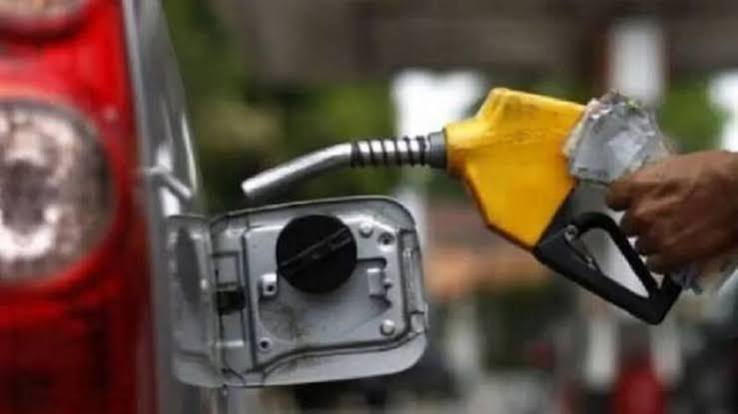
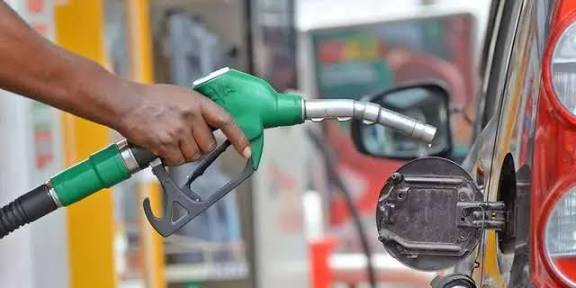
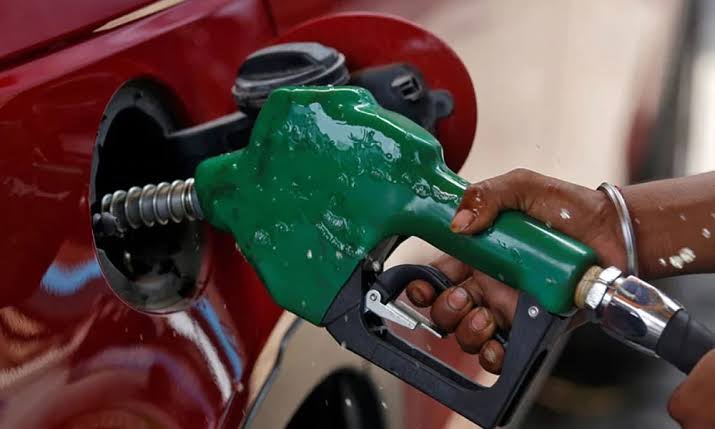
The refinery recently announced plans to supply up to 65 million litres of petrol daily to meet domestic demand, with an additional 15 to 20 million litres available for export. According to the company, a structured offtake agreement has been concluded with selected marketers to ensure nationwide distribution and reduce supply instability.
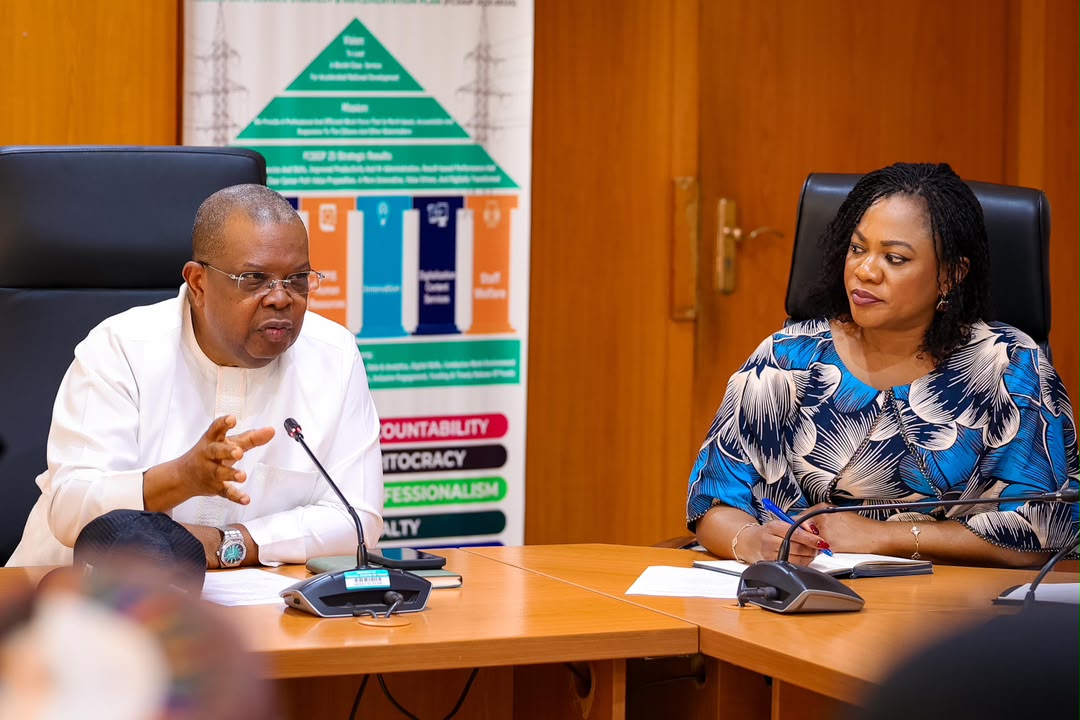
“We have agreed an offtake framework to supply up to 65 million litres daily for the domestic market; any surplus, estimated at between 15 and 20 million litres, will be exported,” the group president stated.
The company said the structured distribution model is designed to eliminate supply bottlenecks and curb speculative practices that have historically disrupted the market.
Industry analysts view the development as a significant structural shift in Nigeria’s fuel supply chain. For decades, Africa’s largest crude producer relied heavily on imported refined products, exposing the economy to foreign exchange volatility, logistical constraints, and periodic shortages.
With local refining capacity now projected to exceed national demand, analysts say Nigeria could conserve billions of dollars annually in foreign exchange previously spent on petrol imports, potentially easing pressure on the naira, strengthening external reserves, and improving trade balance stability.