


By Ayomide Otitoju
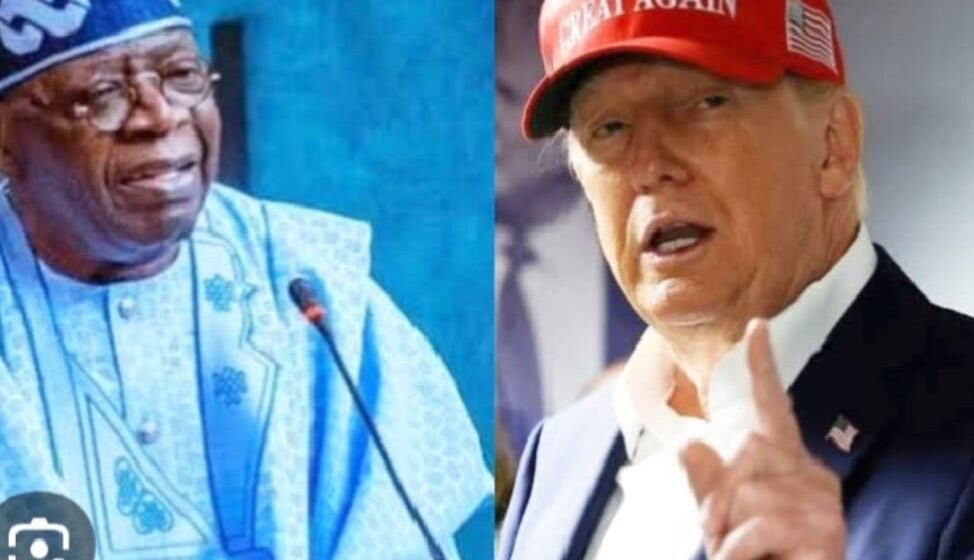
Health experts have called on President Bola Tinubu to take urgent action to prevent a resurgence of HIV/AIDS in Nigeria following the suspension of billions of dollars in U.S. global health and education funding, including aid to Nigeria.
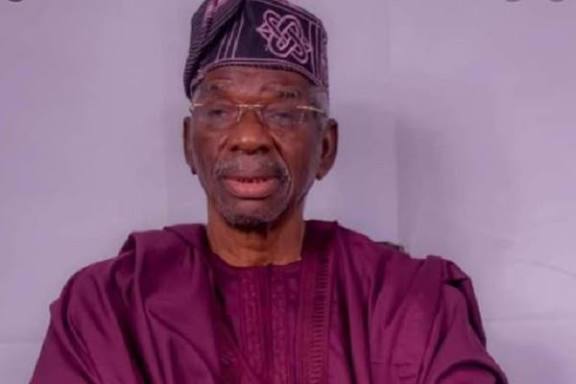
Speaking on Inside Sources with Laolu Akande, a socio-political program on Channels Television, analysts Baba Yusuf and Etim Etim described the funding cut as a national emergency, urging the Nigerian government to secure alternative financing for essential health programs, particularly HIV/AIDS and malaria treatment.
The funding freeze follows U.S. President Donald Trump’s decision to halt most foreign aid, part of his renewed America First policy after assuming office for a second term on January 20, 2025. The move also includes the withdrawal of the U.S. from the World Health Organization (WHO), raising global concerns about the impact on health programs worldwide.
Call for Immediate Government Action
Etim emphasized the urgency of the situation, noting that the U.S. had long subsidized antiretroviral (ARV) drugs through initiatives like the President’s Emergency Plan for AIDS Relief (PEPFAR), originally introduced by former U.S. President George W. Bush.
“Those drugs are either going to become too expensive or unavailable,” he warned.
“The government should immediately engage antiretroviral drug manufacturers and provide direct funding to subsidize these medications.”
Etim also stressed that without urgent intervention, Nigeria could face a resurgence of the HIV/AIDS epidemic, which had previously been one of the highest in the world before significant progress was made in reducing infection rates.
Economic and Political Response
Yusuf, a former Managing Director of NAHCO Free Trade Zone, supported Etim’s call and urged the African Union (AU) to take a collective stance against the aid suspension.
“Africa remains the hotspot for raw materials and human capital that drive the world,” he said.
“A unified African response could push Trump to reconsider his decision.”
The experts also advised illegal Nigerian immigrants in the U.S. to return home and contribute to rebuilding the country, cautioning that they could face a clampdown under Trump’s administration.
Impact of U.S. Aid Withdrawal
The U.S. Agency for International Development (USAID) has been a major contributor to health and education programs in Nigeria, providing approximately $1.01 billion in 2023 alone. In total, Washington disbursed $72 billion in foreign aid across nearly 180 countries last year.
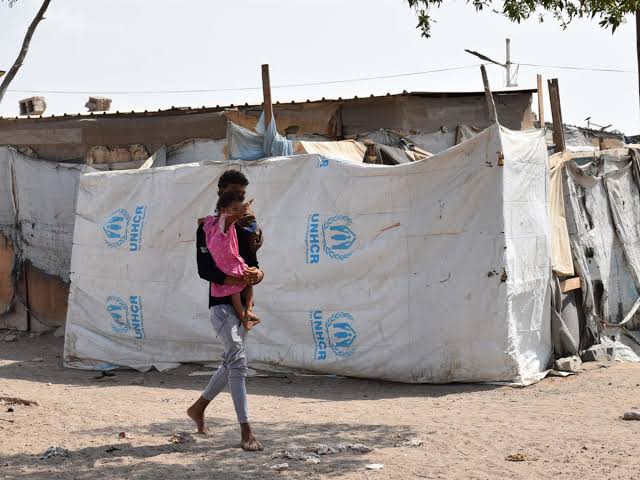
In Nigeria, USAID supports programs that promote food security, healthcare access, and education, including the supply of antiretroviral drugs for 1.9 million people living with HIV, according to UNAIDS and the National Agency for the Control of AIDS (NACA).
The WHO, the United Nations, and other global health organizations have warned that Trump’s decision could endanger millions of lives, particularly in countries reliant on U.S. funding for essential medical programs.
Budget Adjustments Needed
To address the funding gap, Yusuf and Etim recommended adjusting the 2025 budget currently before the National Assembly to accommodate the loss of U.S. aid. They stressed the need for domestic solutions, including increased investment in Nigeria’s healthcare sector to ensure continued access to lifesaving HIV/AIDS and malaria treatments.
With the aid freeze now in effect, all eyes are on the Tinubu administration’s response to safeguard public health and prevent a resurgence of the HIV/AIDS epidemic in Nigeria.


