


Germany’s political scene has been thrown into upheaval as internal divisions within Chancellor Olaf Scholz’s coalition government, coupled with the aftermath of a deadly car-ramming attack, dominate the country’s agenda ahead of a February 23 snap election.
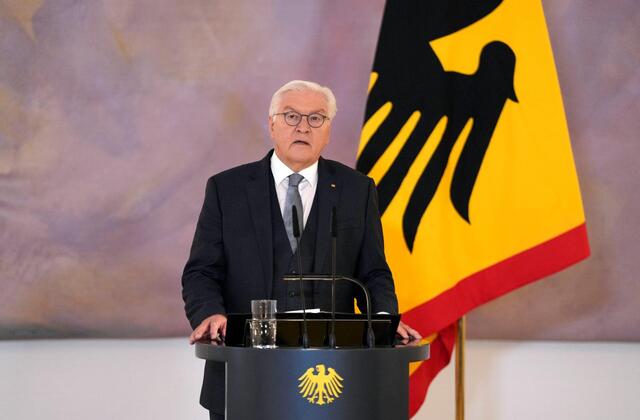
President Frank-Walter Steinmeier confirmed the election date on Friday, stressing the need for “political stability” and urging a campaign conducted with “respect and decency.”
The election follows the collapse of Scholz’s three-party coalition on November 6, the day Donald Trump secured re-election in the United States. Scholz lost a subsequent confidence vote, leaving him as caretaker chancellor until a new government is formed, which could take months.
Deadly Attack Fuels Immigration Debate
The attack on a Christmas market in Magdeburg last week, which left five dead and over 200 injured, has reignited contentious debates over security and immigration. Authorities arrested Saudi national Taleb al-Abdulmohsen, a 50-year-old doctor, at the scene. Interior Minister Nancy Fraser revealed that Abdulmohsen held “Islamophobic” views, though his motive remains unclear.
Scholz has called for unity, urging Germans to “link arms” and resist allowing “hatred to determine our coexistence.” However, the far-right Alternative for Germany (AfD), polling at 19%, has seized on the tragedy to bolster its anti-immigration platform.
At a rally in Magdeburg on Monday, AfD regional leader Jan Wenzel Schmidt demanded Germany “close the borders” and declared the country could “no longer take in madmen from all over the world.”
The conservative CDU/CSU bloc, led by Friedrich Merz, is polling at 32% and has promised tougher immigration policies and a shift to the right on social and economic issues.
Policy Battles Loom
Key issues for the upcoming election include immigration, economic revitalization, climate change, and Germany’s support for Ukraine.
On security, both the CDU and Scholz’s SPD support maintaining aid to Ukraine and meeting NATO’s 2% GDP defense spending target. However, the SPD opposes sending long-range missiles to Kyiv, warning that “Germany and NATO must not become parties to the war.”
Economic recovery is another focal point, with both major parties seeking to reinvigorate Germany’s “Made in Germany” reputation and address crumbling infrastructure. The SPD has proposed a €100 billion public-private “Germany Fund” and easing borrowing limits, while the CDU insists on preserving the constitutional debt brake.
On climate policy, the SPD has pledged ambitious initiatives for renewable energy, e-mobility, and green hydrogen. The CDU, in contrast, has vowed to reconsider Germany’s phase-out of combustion engine vehicles and study whether shuttered nuclear plants can be reactivated.
Steinmeier’s Warning Against Election Hostility
President Steinmeier has cautioned against the dangers of foreign interference and divisive rhetoric, particularly on social media. He urged all parties to reject “hatred and violence” and to avoid “denigration or intimidation,” calling such tactics “poison for democracy.”
Steinmeier also highlighted the challenges awaiting the next government, including economic instability, wars in Ukraine and the Middle East, and the ongoing debates over climate and immigration.
As Germany heads into the election, the fractured political landscape and heightened tensions underscore the stakes for Europe’s largest economy in an increasingly volatile world.


