





By Ayomide Otitoju
Governors across Nigeria have called on citizens to embrace unity, peace, patriotism, and democratic values as the nation marks the 2026 Democracy Day anniversary, paying tribute to the sacrifices of the heroes of the June 12 struggle.
In separate messages commemorating the occasion, the governors described June 12 as a symbol of courage, freedom, and the collective determination of Nigerians to defend democratic ideals.
Lagos State Governor, Babajide Sanwo-Olu, said Democracy Day celebrates “the enduring spirit of a people who chose democracy and stood firm in its defence.” He noted that the day serves as a reminder that freedom, justice, and the right of citizens to be heard were secured through sacrifice and courage, paying tribute to Chief MKO Abiola, Alhaja Kudirat Abiola, and other pro-democracy heroes.
Sanwo-Olu urged Nigerians to uphold the values of active citizenship, accountability, mutual respect, and shared progress, stressing that the country’s diversity remains one of its greatest strengths.
Kebbi State Governor, Nasir Idris, called for patience, patriotism, prayers, and law-abiding conduct, describing democracy as a collective journey that requires sacrifice, understanding, and cooperation from all citizens.
“A peaceful and law-abiding society is the foundation upon which democracy thrives,” he said, urging residents to coexist peacefully and report security threats through appropriate channels.
Idris reaffirmed his administration’s commitment to improving living standards through investments in infrastructure, healthcare, education, agriculture, water supply, and social welfare programmes.
Rivers State Governor, Siminalayi Fubara, described democracy as Nigeria’s strongest path to unity, progress, and prosperity, noting that June 12 represents the nation’s enduring struggle for freedom, justice, and representative governance.
He paid tribute to MKO Abiola, Kudirat Abiola, and other pro-democracy activists, stating that Nigeria’s democratic journey has continued to evolve despite challenges through resilient institutions and the determination of its people.
Fubara urged citizens to view democracy beyond periodic elections, emphasising accountability, transparency, justice, tolerance, and respect for the rule of law.
Similarly, Kaduna State Governor, Uba Sani, said Democracy Day offers an opportunity to honour those who fought authoritarian rule and to recommit to constitutional governance and national unity.
Reflecting on the June 12, 1993 presidential election and the sacrifices of democracy campaigners, Sani cautioned against anti-democratic tendencies and the romanticisation of military rule, insisting that democracy remains the most effective system for managing Nigeria’s diversity and protecting fundamental rights.
As preparations for the 2027 general elections gather momentum, he urged political actors and citizens to place national interest above partisan considerations.
Imo State Governor, Hope Uzodimma, said democracy has provided Nigerians with a platform for collective participation, dialogue, and nation-building, strengthening efforts toward national development.
While acknowledging existing challenges, he maintained that Nigeria’s democratic journey has demonstrated resilience and capacity for growth, urging citizens to continue supporting democratic institutions.
Abia State Governor, Alex Otti, called on Nigerians to use Democracy Day as an opportunity to reflect on the nation’s democratic evolution since the annulment of the June 12, 1993 presidential election.
According to Otti, democracy itself has not failed, but leadership and collective choices have often fallen short of its ideals. He urged citizens to actively participate in governance and reject electoral malpractice, warning that vote-buying undermines accountability and good governance.
The governors collectively urged Nigerians to preserve the ideals of June 12 by promoting peace, unity, tolerance, and civic participation in the pursuit of a stronger and more prosperous nation.
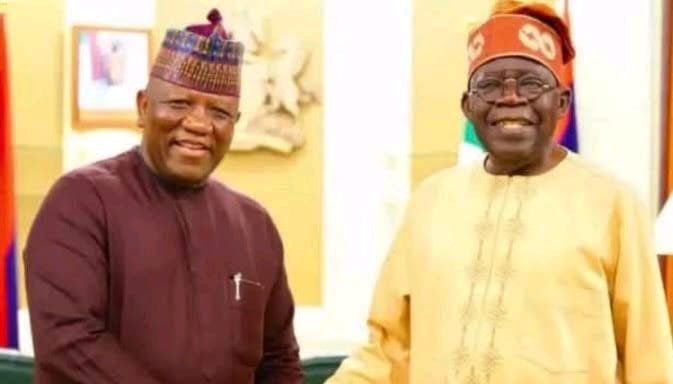
Meanwhile, President Bola Tinubu praised Nigeria’s 27 years of uninterrupted democratic governance and called on citizens to defend the country’s democratic institutions.
In his Democracy Day address, the President paid tribute to MKO Abiola, Kudirat Abiola, and other democracy heroes, while encouraging young Nigerians to remain committed to the country’s development.
Tinubu also defended his administration’s economic and security reforms, stating that they have improved government revenue, boosted investor confidence, and strengthened efforts against terrorism, although he acknowledged the economic difficulties facing many Nigerians.
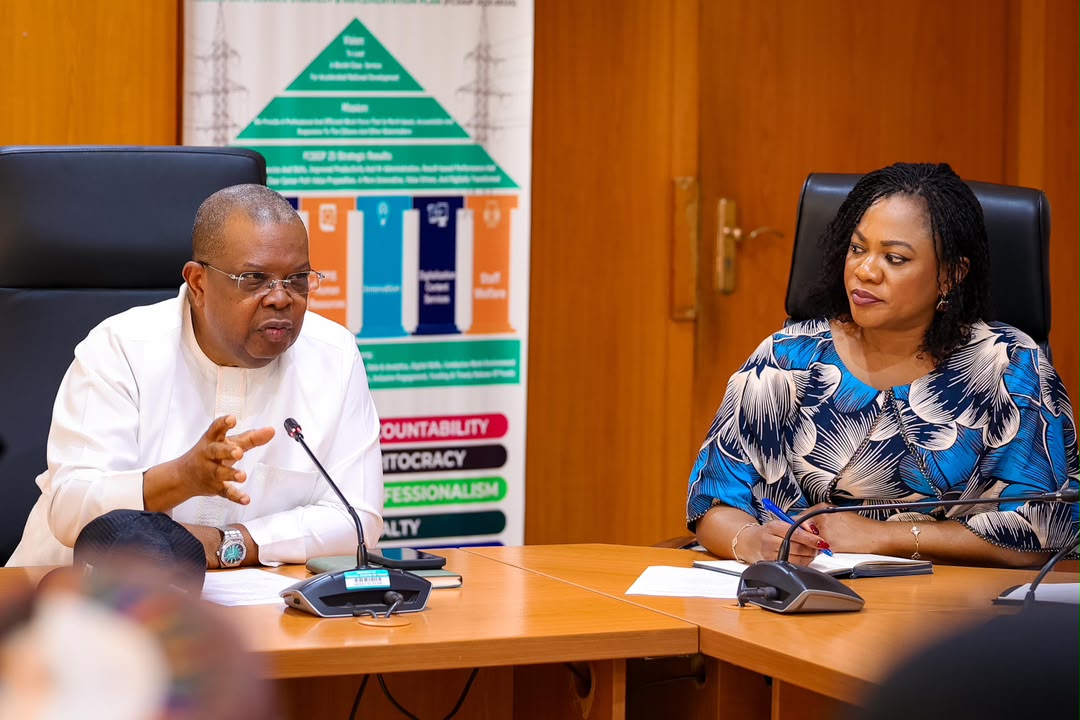
Also speaking at a Democracy Day public lecture in Abuja, Secretary to the Government of the Federation, George Akume, described Nigeria’s democracy as “worth defending” despite prevailing challenges.
He urged citizens to strengthen democratic institutions and safeguard civil rule, stressing that democracy can only thrive when every vote counts.
The Democracy Day celebrations also featured peaceful #EndBadGovernance protests in Lagos, where activists and civil society groups called for urgent action to address insecurity, unemployment, and the rising cost of living.
Demonstrators carried placards demanding the release of kidnapping victims and an end to anti-people policies. Human rights lawyer Femi Falana and musician Falz joined the protest, which was monitored by security personnel, while another group expressed support for the government’s reform agenda.
June 12 commemorates the 1993 presidential election, widely regarded as the freest and fairest in Nigeria’s history. The election was believed to have been won by the late Moshood Kashimawo Olawale (MKO) Abiola, but its annulment by the military government triggered a prolonged political crisis and intensified the struggle for democratic rule.
Nigeria officially adopted June 12 as Democracy Day in 2018 after former President Muhammadu Buhari moved the celebration from May 29 in recognition of the significance of the 1993 election and the sacrifices of pro-democracy campaigners.


