






The Federal Government spends over ₦200 billion per month on electricity subsidies, with much of the support benefiting the wealthiest Nigerians rather than those in need, according to Olu Arowolo Verheijen, Special Adviser to the President on Energy.
Verheijen made this known in a statement on Monday, emphasizing the need for a more targeted subsidy system to ensure that low-income households receive the most support.
“Today, the Federal Government spends over ₦200 billion per month on electricity subsidies, but much of this support benefits the wealthiest 25 percent of Nigerians rather than those who truly need assistance,” she said.
“To address this, the government is working towards a targeted subsidy system that will make electricity more affordable and accessible for millions of hardworking families.”
Clarification on Electricity Tariff Increase
The presidential aide also debunked reports suggesting an imminent 65% increase in electricity tariffs, calling it a misrepresentation of her statements in a recent interview.
According to her, the increase in Band A tariffs in 2024 means that current tariffs now cover approximately 65% of the actual cost of electricity supply, with the Federal Government continuing to subsidize the difference.
While the government remains committed to fairer pricing over the long term, Verheijen stated that the immediate focus is on:
Delivering more electricity to Nigerians
Reducing outages
Protecting the most vulnerable citizens
Presidential Metering Initiative
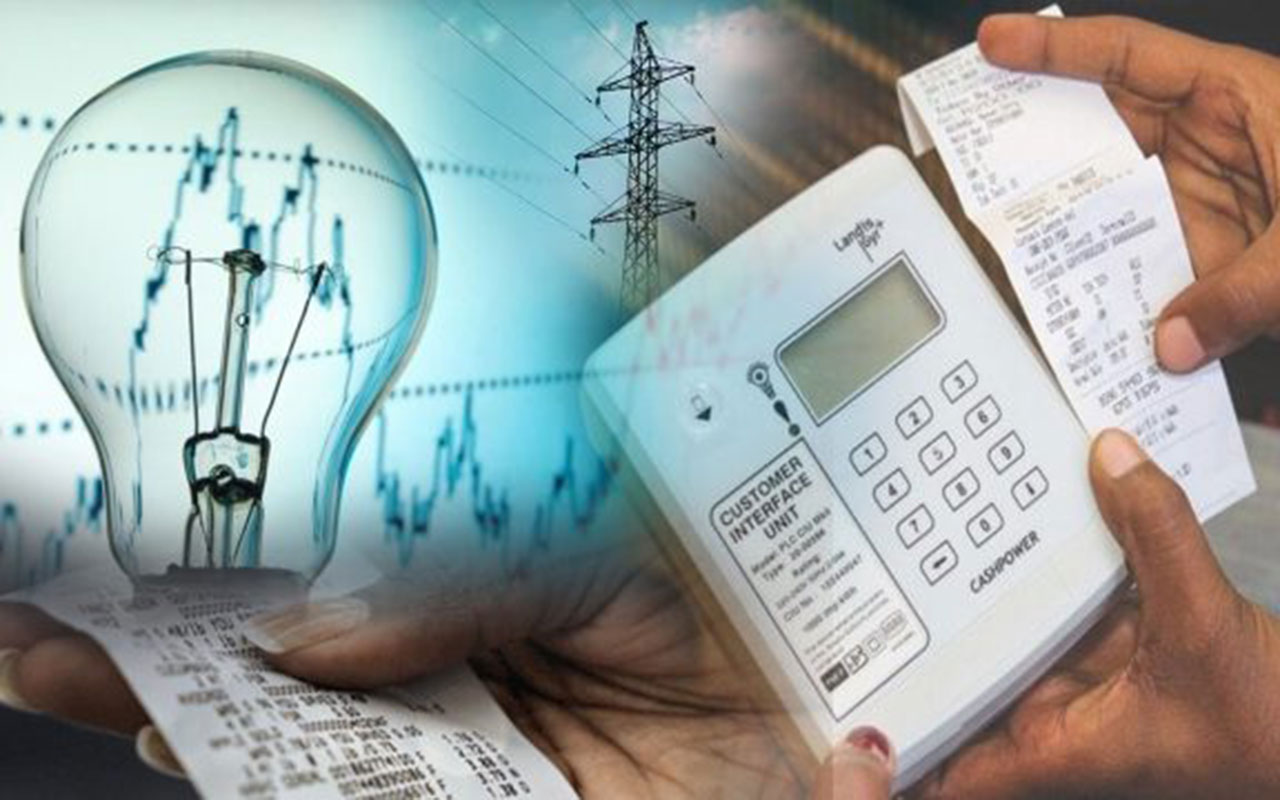
As part of its reform efforts, the government has launched the Presidential Metering Initiative, which aims to roll out 7 million prepaid meters nationwide starting this year.
This initiative is expected to:
Eliminate estimated billing and ensure transparency in electricity charges
Boost revenue collection across the power sector
Attract investments to strengthen Nigeria’s power infrastructure
Clearing Power Sector Debts
The government is also working to clear outstanding debts owed to power generation companies, which have long hindered investment in new infrastructure and affected service delivery.
By settling these obligations, Verheijen said, power companies will be able to reinvest in infrastructure, enhance service delivery, and stabilize electricity supply for Nigerians.
Lowering Costs of Alternative Power Sources
To reduce dependence on the national grid, the Federal Government is introducing fiscal incentives, such as VAT and Customs Duty Waivers, to lower the cost of alternative power sources like Compressed Natural Gas (CNG) and Liquefied Petroleum Gas (LPG).
Verheijen reaffirmed the government’s commitment to ensuring that all power sector reforms translate into tangible improvements in Nigerians’ daily lives.
“Every policy is designed with the Nigerian people in mind—eliminating unfair estimated billing, ensuring that subsidies benefit the right people, and creating the conditions for stable, affordable electricity,” she stated.
These reforms, she added, will lay the foundation for improved service delivery, expanded electricity access for homes and businesses, and long-term economic growth.


