

By Ayomide Otitoju
Heads of the International Energy Agency (IEA), International Monetary Fund (IMF), and World Bank Group have announced the formation of a joint coordination group to align responses to the energy and economic fallout from the ongoing Middle East conflict.
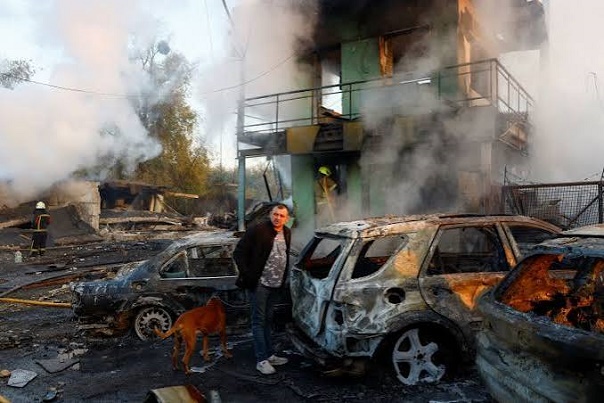
In a statement released on Wednesday, the institutions highlighted the widespread disruptions caused by the war, describing it as one of the largest supply shocks in global energy market history. They stressed that the impacts are global but disproportionately affect energy-importing, low-income countries.
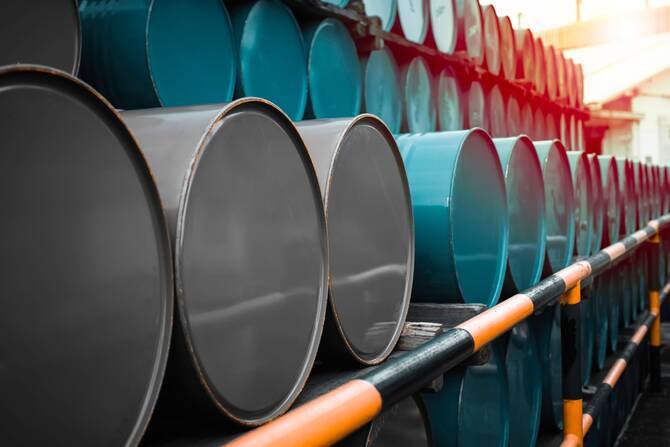
“It is already transmitted through higher oil, gas, and fertiliser prices, and is triggering concerns about food prices as well. Global supply chains—including helium, phosphate, aluminium, and other commodities—are affected, as is tourism due to flight disruptions at key Gulf hubs,” the statement said. It further noted that currency volatility in emerging economies and inflationary pressures risk tighter monetary policies and weaker economic growth.
The group will coordinate monitoring, data sharing, and analysis to provide policymakers with timely, aligned support. Areas of focus will include energy markets and prices, trade flows, fiscal and balance-of-payments pressures, inflation trends, export restrictions, and supply chain disruptions.
The coordinated mechanism may also involve targeted policy advice, assessment of financing needs, provision of financial support—including concessional funding—and risk mitigation measures. The institutions said they would engage multilateral, regional, and bilateral partners to ensure an efficient response to affected countries.
“The group will work with and draw on other international organizations’ expertise as needed. We are committed to safeguarding global economic and financial stability, strengthening energy security, and supporting affected countries and people on their path to sustained recovery, growth, and job creation through reforms,” the statement added.