





By Ayomide Otitoju
Iran on Thursday threatened “crushing” attacks on the United States and Israel, firing missiles at Tel Aviv following a warning from US President Donald Trump that he could bomb the Islamic Republic “back to the Stone Ages.”
The conflict, which erupted over a month ago with US and Israeli strikes on Iranian targets, has spread across the Middle East and disrupted the global economy, affecting millions worldwide.
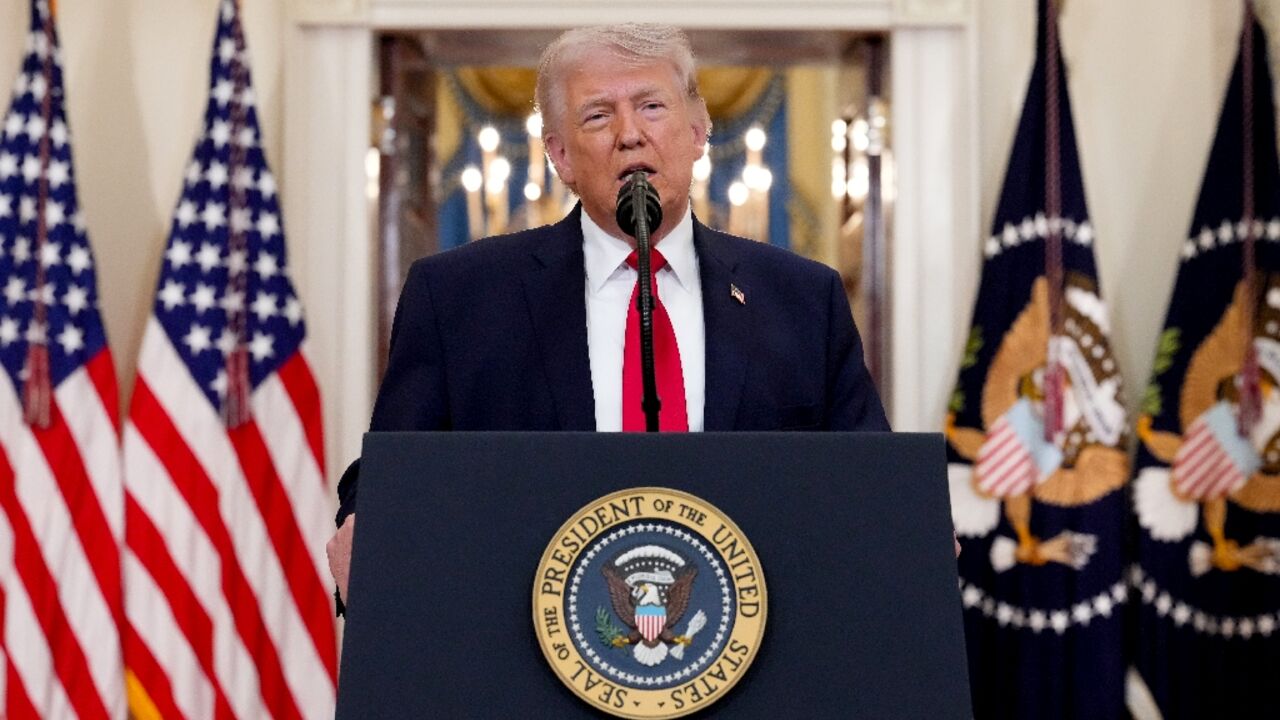
In a prime-time address from the White House, Trump said the US was “very close” to achieving its objectives but warned that attacks would intensify if Iran did not negotiate a settlement. “Over the next two to three weeks, we are going to bring them back to the Stone Ages, where they belong,” he said.
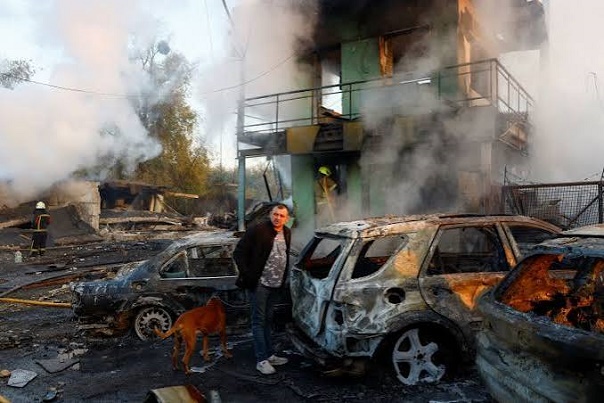
Iran responded immediately. Israeli air defences were activated as police reported “several” impact sites in Tel Aviv, leaving four people lightly injured. The Iranian military command centre, Khatam Al-Anbiya, warned the US and Israel to expect “more crushing, broader, and more destructive actions,” promising the war would continue until their “humiliation, disgrace, and surrender.”
The strikes coincided with the Jewish Passover, forcing some Israelis to celebrate underground. “This is not my first choice,” said a Tel Aviv resident, Jeffrey, at a bunker-organised meal. “But at least in the shelter, we can just ride it out.”
Trump also floated the possibility of negotiations with Iran’s new leadership, which he described as “less radical and much more reasonable,” though Tehran dismissed US ceasefire overtures as “maximalist and irrational.” Iranian Foreign Ministry spokesman Esmaeil Baqaei said there was no direct negotiation with Washington.
The US president warned that, absent an agreement, “our eyes” were on key Iranian targets, including power plants. Meanwhile, pro-government Iranians demonstrated defiance, marching in Tehran at the funeral of a Revolutionary Guards naval commander killed in an Israeli strike. “This war has lasted a month. However long it takes, we will continue,” said Moussa Nowruzi, a 57-year-old pensioner.
The conflict has drawn in other regional players. In Lebanon, the militant group Hezbollah launched drones and rockets at northern Israel after Israel killed a top Hezbollah commander in Beirut, an attack that killed seven people. Israeli strikes have killed more than 1,300 people in Lebanon since March 2. Air defences in the United Arab Emirates also responded to missile and drone threats Thursday.
Trump vowed that US allies in the region—including Israel, Saudi Arabia, Qatar, the UAE, Kuwait, and Bahrain—would “not get hurt or fail in any way, shape, or form.”
The crisis has put global oil supplies at risk, particularly through the Strait of Hormuz, a critical shipping lane for one-fifth of the world’s oil. Iran’s Revolutionary Guards have threatened to close it to adversaries, while Trump has made reopening it a condition for a ceasefire. Britain will lead a 35-nation summit Thursday to restore freedom of navigation in the strait.
The war’s economic repercussions are being felt globally. Airlines in China announced fuel surcharges, Malaysian civil servants were asked to work from home, and Bhutan reported fuel shortages and price hikes, with residents queuing at filling stations in the Himalayan kingdom.
Stephen Innes, analyst at SPI Asset Management, described the conflict as “unfinished business,” noting its impact on market volatility. The World Bank’s Managing Director Paschal Donohoe warned of risks to inflation, jobs, and food security worldwide.
The escalation underscores the region’s volatility and its far-reaching effects on global security and the economy.


