









By Ayomide Otitoju
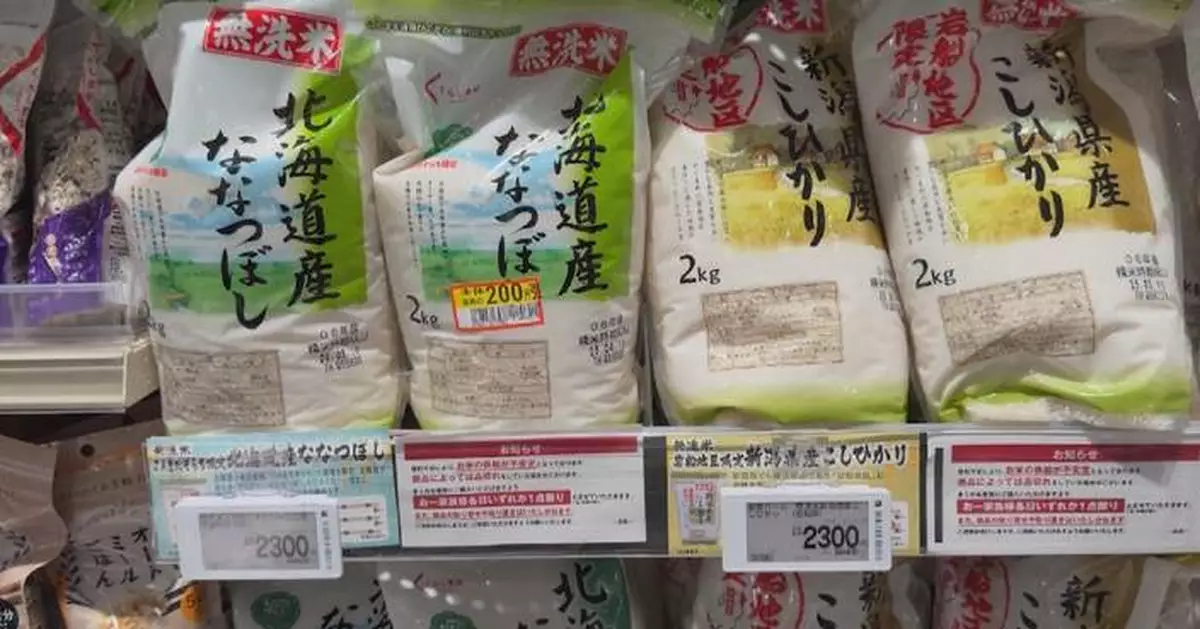
Japan’s inflation data released Friday revealed a staggering 98% year-on-year rise in rice prices last month, highlighting a growing crisis that is drawing public ire and complicating efforts by Prime Minister Shigeru Ishiba’s government to manage the economy.
The sharp increase in rice prices—central to Japanese cuisine and culture—is largely attributed to a combination of reduced supply and rising demand. Experts say the shortage stems from a record-breaking heatwave in 2023 that severely impacted harvests, followed by a demand surge in 2024 fueled by panic-buying after an earthquake warning and a boom in tourism, particularly from sushi-seeking visitors.
Further exacerbating the situation are alleged hoarding practices by some distributors and long-standing government policies that reduced rice production in favor of other crops. For decades, rice consumption has declined, prompting the government to scale back paddy cultivation. As of 2024, rice farming land has shrunk to 2.3 million hectares, down from a peak of 3.4 million hectares in 1961.
Compounding the issue is Japan’s aging farming population. According to the agricultural ministry, nearly 90% of rice farms are run by individuals over 60, with 70% lacking a successor.
“The authorities have focused too much on downsizing rice production without promoting consumption,” said Tadao Koike, a third-generation owner of a Tokyo rice shop with a 90-year legacy.
In an attempt to stabilize the market, the government began auctioning emergency rice reserves in February—only the second time since the stockpile system was introduced in 1995 that supply chain issues prompted its use. However, the impact has been limited, as the stockpile typically supplements “blended rice” rather than premium branded varieties, said Masayuki Ogawa, assistant professor at Utsunomiya University.
“The price of branded rice has increased enough to offset the impact of stockpiled rice, keeping supermarket prices high,” Ogawa noted.
The price surge is particularly painful for consumers already grappling with broader inflation after years of economic stagnation. The backlash has political consequences: the ruling Liberal Democratic Party (LDP), in power almost uninterrupted for decades, lost its majority last year and now governs via a coalition.
Public frustration intensified last weekend when Agriculture Minister Taku Eto resigned following a tone-deaf comment that he “never bought rice” due to regular donations from supporters.
The controversy has further dented the LDP’s image ahead of the upper house elections in July. Still, some signs of relief may be emerging. Marcel Thieliant of Capital Economics said, “Weekly rice prices are showing signs of stabilisation, so rice inflation should start to soften again before long.”


