



By Ayomide Otitoju
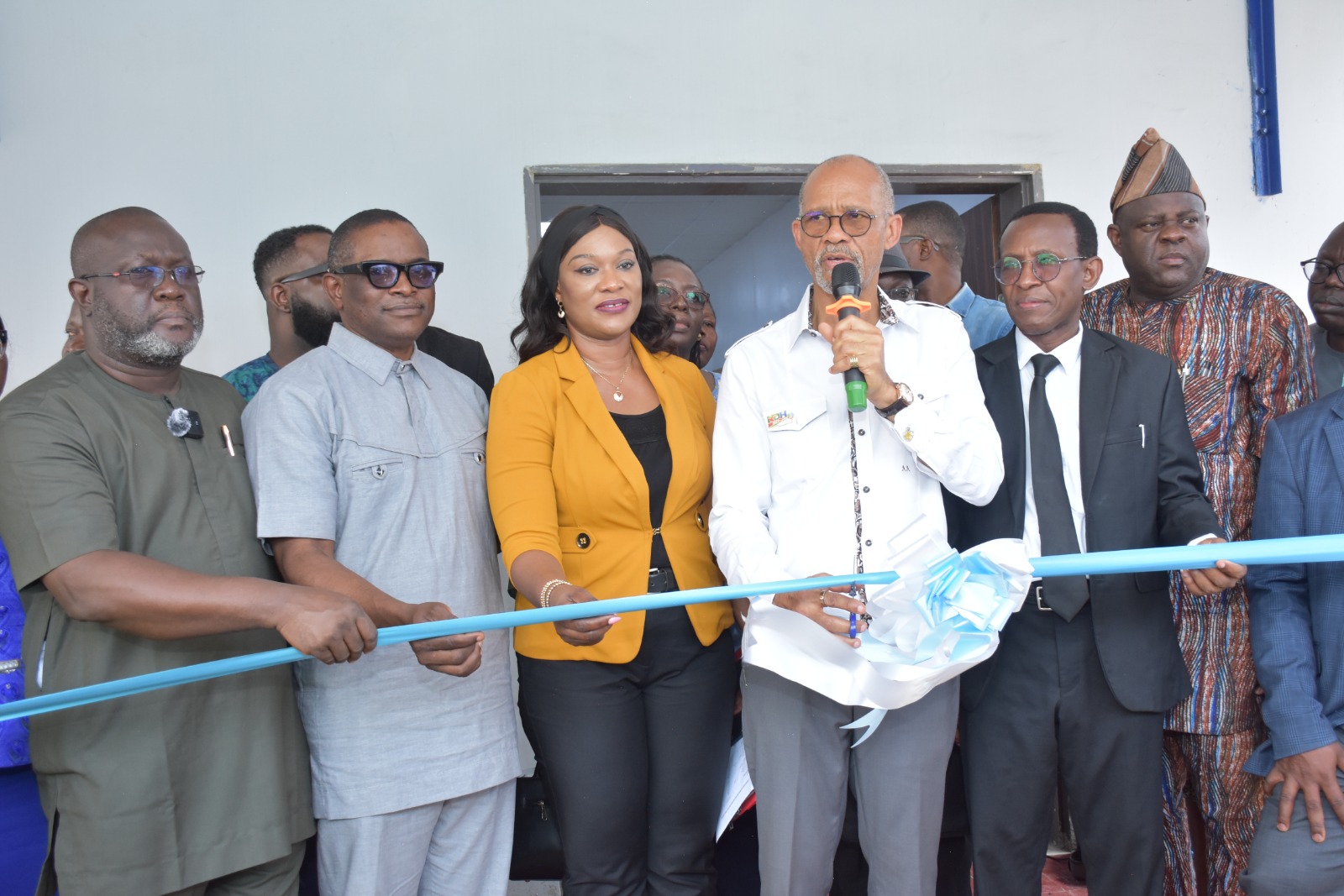
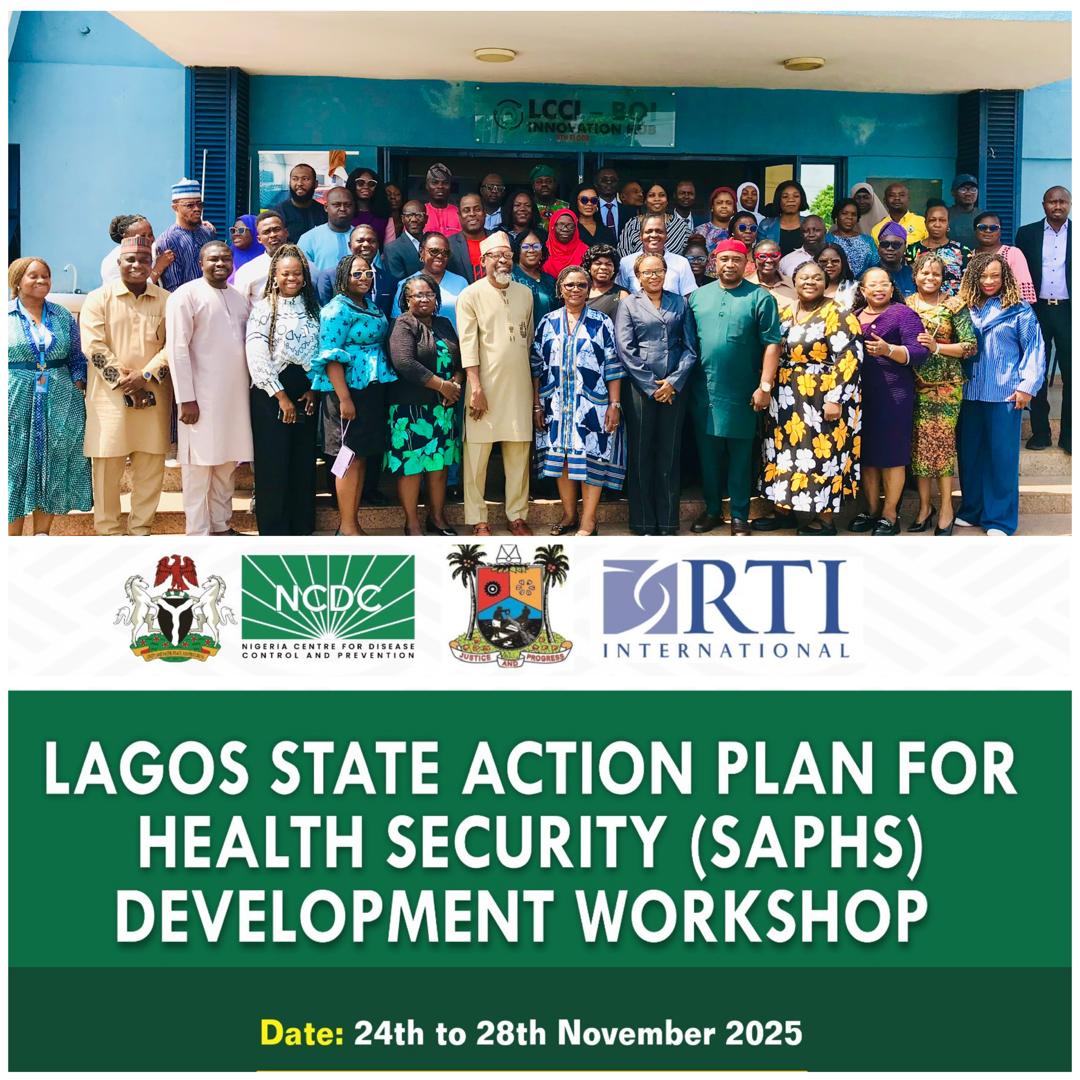
The Lagos State Government on Monday began a five-day multisectoral workshop aimed at developing the Lagos State Action Plan for Health Security (SAPHS), a major step toward enhancing the state’s readiness to prevent, detect, and respond to emerging public health threats.
The workshop, scheduled for November 24–28 at the Lagos Chamber of Commerce and Industry (LCCI), Alausa, is being organised by the Lagos State Ministry of Health in partnership with the Nigeria Centre for Disease Control and Prevention (NCDC), with technical support from the Research Triangle Institute (RTI) and the U.S. CDC.
The exercise follows the 2024 Joint External Evaluation (JEE) of Lagos’ health security capacities and a subsequent technical meeting that produced a draft framework. Over the next five days, experts from human, animal, and environmental health sectors will translate JEE findings into a costed and actionable plan aligned with the International Health Regulations (IHR).
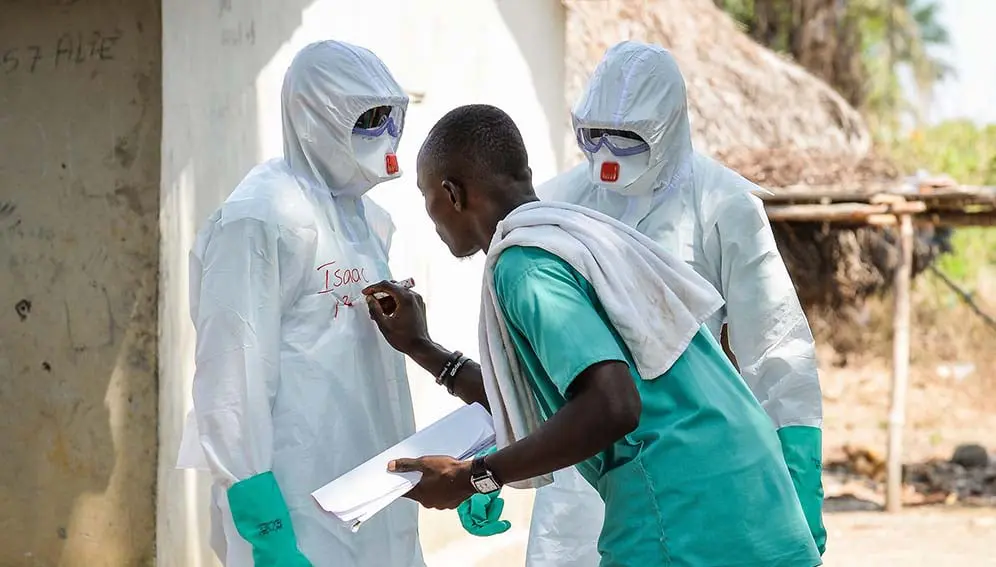
Declaring the workshop open, the Special Adviser to the Governor on Health, Dr. Kemi Ogunyemi, urged participants to treat health security with the same urgency as traditional security challenges. She noted that while national discourse often focuses on banditry and physical insecurity, biological threats remain largely overlooked despite lessons from Ebola, COVID-19, and other emerging diseases.
Ogunyemi warned that Lagos, as a densely populated megacity and international hub, is particularly vulnerable to public health threats. She stressed that preparedness for unknown risks must guide the development of the SAPHS. “Health is security. The next threat may not be cholera or malaria; it may be something far more unpredictable. This plan is our shield,” she said.
She called on stakeholders to take ownership of the process, adding that the final document must be expert-driven, practical, and capable of safeguarding Lagos residents. Once completed, the plan will be presented to the State Executive Council for formal approval and implementation.
In his remarks, the Director of Epidemiology, Biosecurity and Global Health at the Ministry of Health, Dr. Ismail Abdus-Salam, expressed satisfaction that the long-anticipated process had commenced after months of logistical delays. He said the workshop offers an opportunity to ensure the final action plan is realistic, implementable, and reflective of expectations across all relevant sectors.
Abdus-Salam also highlighted recent gains in the state’s health security infrastructure, including strengthened staffing and improved operations at the Public Health Emergency Operations Centre (PHEOC), alongside ongoing facility upgrades. He noted, however, that sustainable progress depends on balanced improvements across human, animal, and environmental health systems.