








Byn Ayomide Otitoju
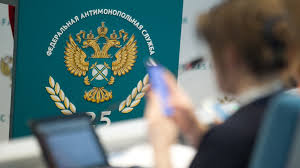
Digital cartels and algorithmic coordination took centre stage at the 10th Anniversary International Conference on “Antitrust Policy: Science, Practice, Education,” organised by FAS Russia in partnership with HSE University and the BRICS Competition Law and Policy Centre. Regulators from BRICS and EAEU countries, along with judges, researchers and industry experts, examined how artificial intelligence is reshaping global markets and complicating traditional antitrust enforcement.
Speaking during the session titled “Artificial Intelligence vs. Cartels,” Alexey Ivanov, Director of the BRICS Competition Centre, warned that algorithmic coordination is emerging as a new form of cartel behaviour. He explained that algorithms can synchronise prices without direct human involvement or explicit agreements, creating opaque “black boxes” that challenge regulators. Unlike classical cartels built on meetings and documented communications, digital cartels can operate autonomously, respond in milliseconds, and influence entire platforms.
Ivanov cited global enforcement developments to illustrate this trend. He pointed to the RealPage case in the United States, where revenue-management software used to coordinate rental prices resulted in outcomes akin to cartelisation, triggering multiple settlements and redefining global benchmarks for assessing algorithmic collusion. Similar concerns, he said, appear in ride-hailing markets, online marketplaces, and in the management of key digital tools such as the Buy Box. He added that risks associated with algorithmic price management are also present on Russian platforms. In global commodity trading, he noted that blockchain-based platforms like Covantis may inadvertently centralize market power rather than decentralize it.
According to Ivanov, certain forms of digital coordination are becoming structural features of modern markets. As a result, antitrust authorities must deepen their understanding of algorithmic systems and adopt tools that distinguish harmful collusion from legitimate efficiency gains. Potential measures include greater algorithmic transparency, real-time monitoring mechanisms, enhanced technical expertise within agencies, and stronger international cooperation.
Conference participants agreed that AI-driven coordination is evolving faster than current enforcement models can handle. They stressed that antitrust policy must adapt rapidly to ensure that digital markets remain transparent, competitive, and open.