

By Ayomide Otitoju
Lagos State has concluded a five-day workshop to develop its State Action Plan for Health Security (SAPHS), with the Commissioner for Health, Prof. Akin Abayomi, stressing the need for the state to maintain a constant state of preparedness against emerging biological threats.
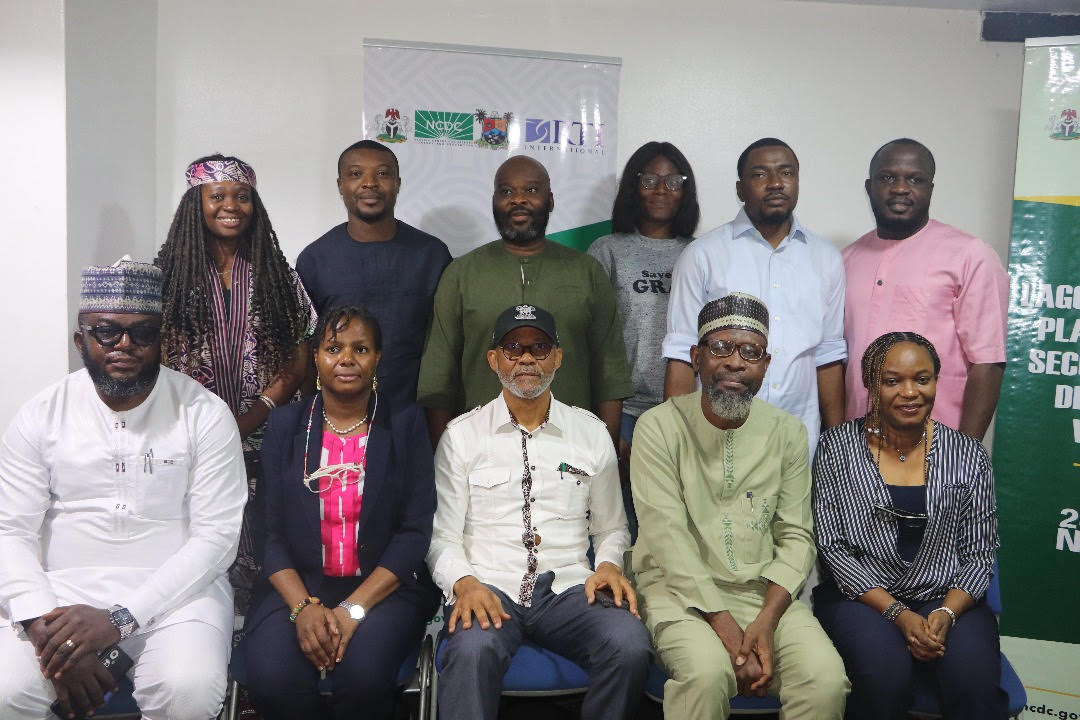
The workshop, held from November 24 to 28 at the Lagos Chamber of Commerce and Industry, convened one-health stakeholders from government ministries, agencies and departments, alongside experts from the NCDC, U.S. CDC, Research Triangle Institute (RTI), Resolve to Save Lives, and other partners. The exercise aims to produce Lagos’ five-year roadmap for health security.
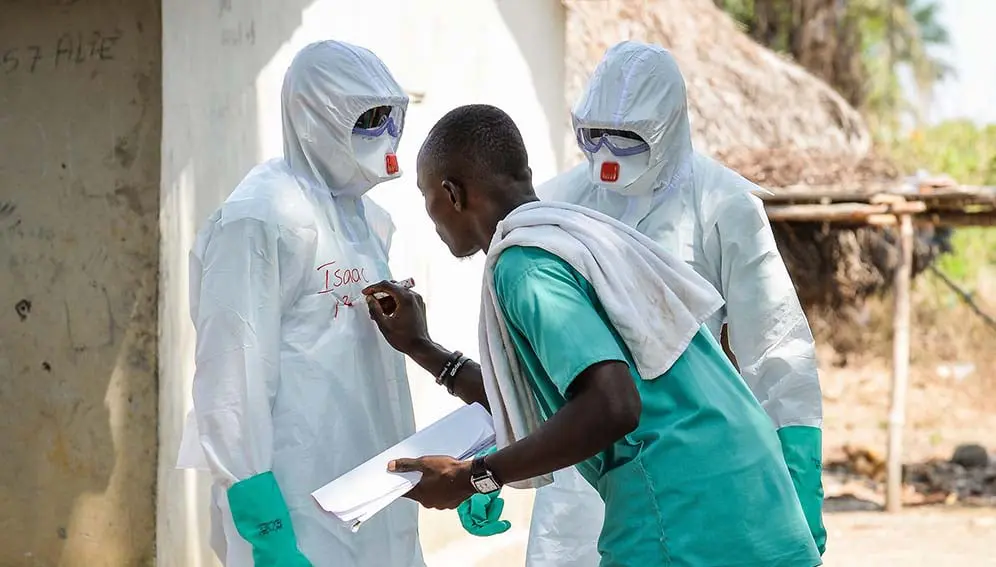
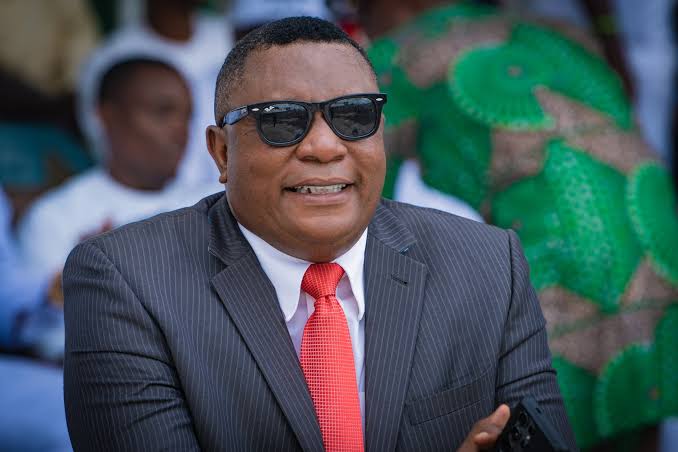
Speaking during a visit to the workshop, Prof. Abayomi said Lagos had drawn critical lessons from past disease outbreaks, including Ebola, COVID-19 and the recent cholera incident. He said these experiences underscored the importance of building a resilient health system capable of mounting decisive responses to biological threats.
He noted that effective crisis communication and public confidence remain essential during health emergencies. According to him, strong leadership during COVID-19 helped avert panic and civil unrest, warning that loss of public trust can quickly escalate outbreaks into broader social disorder. He called for seamless coordination among ministries and agencies during crises.
The Commissioner highlighted the persistent global risk posed by high-consequence pathogens, especially “Pathogen X,” many of which have no available treatment or vaccine in their early stages. He said Lagos must strengthen its containment laboratories and emergency response systems to keep pace with evolving threats.
Prof. Abayomi added that continuous investment in disease surveillance, oxygen capacity, public health infrastructure and workforce retention is essential. “You cannot train your army during war; you train during peace,” he said, reaffirming Lagos’ commitment to building a unified health security framework for its residents.
Deputy Director of the Nigeria Centre for Disease Control and Prevention (NCDC), Dr. Olubunmi Olofa, commended Lagos for translating its Joint External Evaluation (JEE) findings into a concrete action plan. He said the state’s score of 36 in the 2024 JEE should be seen as an honest reflection of capacity at the time rather than a failure, adding that he expects significant progress within the next two to three years.
Director of Epidemiology, Biosecurity and Global Health, Dr. Ismail Abdus-Salam, said the workshop was long overdue due to scheduling constraints following the JEE. He expressed confidence that the collaboration would produce well-costed, realistic and sustainable strategies. He also disclosed that the Public Health Emergency Operations Centre (PHEOC) has been strengthened with additional staff and is undergoing major refurbishment to become a fully functional coordination hub.
RTI Global Health Security Agenda Nigeria Project Manager, Dr. Olusola Abioye, described Lagos as a critical hub for global health security due to its population density and international travel links. He said the SAPHS process would significantly enhance the state’s capacity to prevent, detect and respond to outbreaks over the next five years.
Principal Advisor at Resolve to Save Lives, Dr. Jenom Danjuma, praised Lagos for demonstrating political will and maintaining integrity in its self-assessment. He said the state’s performance score—just above 30 per cent—could rise substantially within four to five years with sustained investment, similar to improvements recorded at the national level.
Over the course of the workshop, participants from sectors including health, agriculture, environment and emergency management engaged in technical sessions focused on strengthening surveillance, laboratory systems, risk communication and emergency response capabilities.
At the close of the meeting, stakeholders agreed to finalise the SAPHS document and draft the 2026 operational plan that will guide implementation. They also reaffirmed the importance of a multi-sectoral, one-health approach to safeguarding public health.
The Ministry of Health said the outcomes of the workshop will shape Lagos State’s health security priorities for the next five years and position it to respond effectively to infectious disease threats.