






By Ayomide Otitoju
The Lagos State Government says its food hub initiative has generated transactions worth over ₦3.8 billion as it intensifies efforts to expand structured agro-produce markets across key locations in the state.
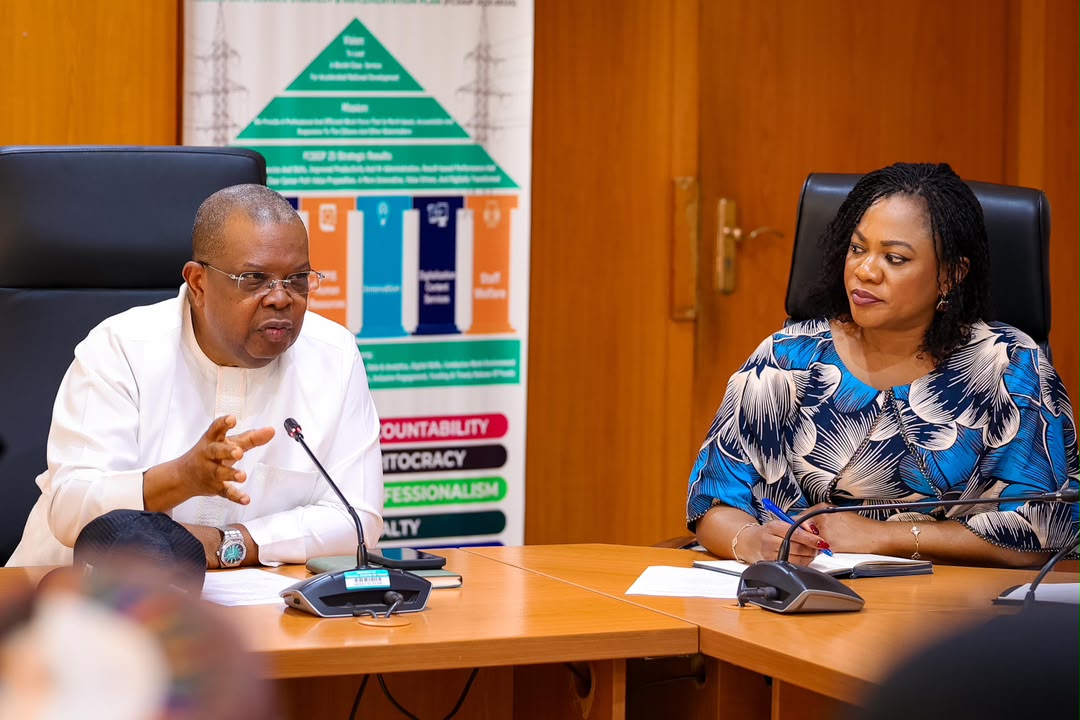
The Commissioner for Agriculture and Food Systems, Abisola Olusanya, disclosed this on Friday during the 2026 Ministerial Press Briefing held in Alausa, Ikeja.
Olusanya said the Lagos Fresh Food Hub at Idi-Oro, Mushin, has continued to drive economic activity by improving food aggregation, strengthening farmer-to-market linkages, and creating jobs across the value chain.
She noted that the hub had earlier recorded transactions valued at over ₦2.6 billion, adding that the initiative has now attracted more than 850 registered vendors and generated over 7,000 direct and indirect jobs in trading, logistics, and food handling.
According to her, the Fresh Food Hub has demonstrated the effectiveness of structured market systems in reducing inefficiencies and improving produce distribution.
The commissioner said the state government is scaling up the programme with the construction of additional mid-level agro-produce hubs across Lagos.
She disclosed that the Abijo Mid-Level Agroproduce Hub, which has been completed, was virtually commissioned by President Bola Tinubu in April 2026, while another facility in Agege is expected to be inaugurated in the coming months.
Olusanya added that construction is ongoing in Opebi, Ikorodu, and Bombata, while additional sites have been identified in Apapa, Festac, and the Lekki axis.
She said the long-term plan is to establish structured food distribution centres across all Local Governments and Local Council Development Areas in the state.
The commissioner explained that the hubs are designed to reduce post-harvest losses, improve logistics efficiency, and create a more organised food distribution network for farmers and traders.
She added that the initiative forms part of the Sanwo-Olu administration’s broader strategy to modernise Lagos’ food economy through investments in storage, processing, logistics, and market infrastructure, while ensuring a more resilient and affordable food supply system for residents.