







By Ayomide Otitoju
The Lagos State Ministry of Health has intensified efforts to eliminate malaria following a significant decline in malaria prevalence to below two per cent in the state.
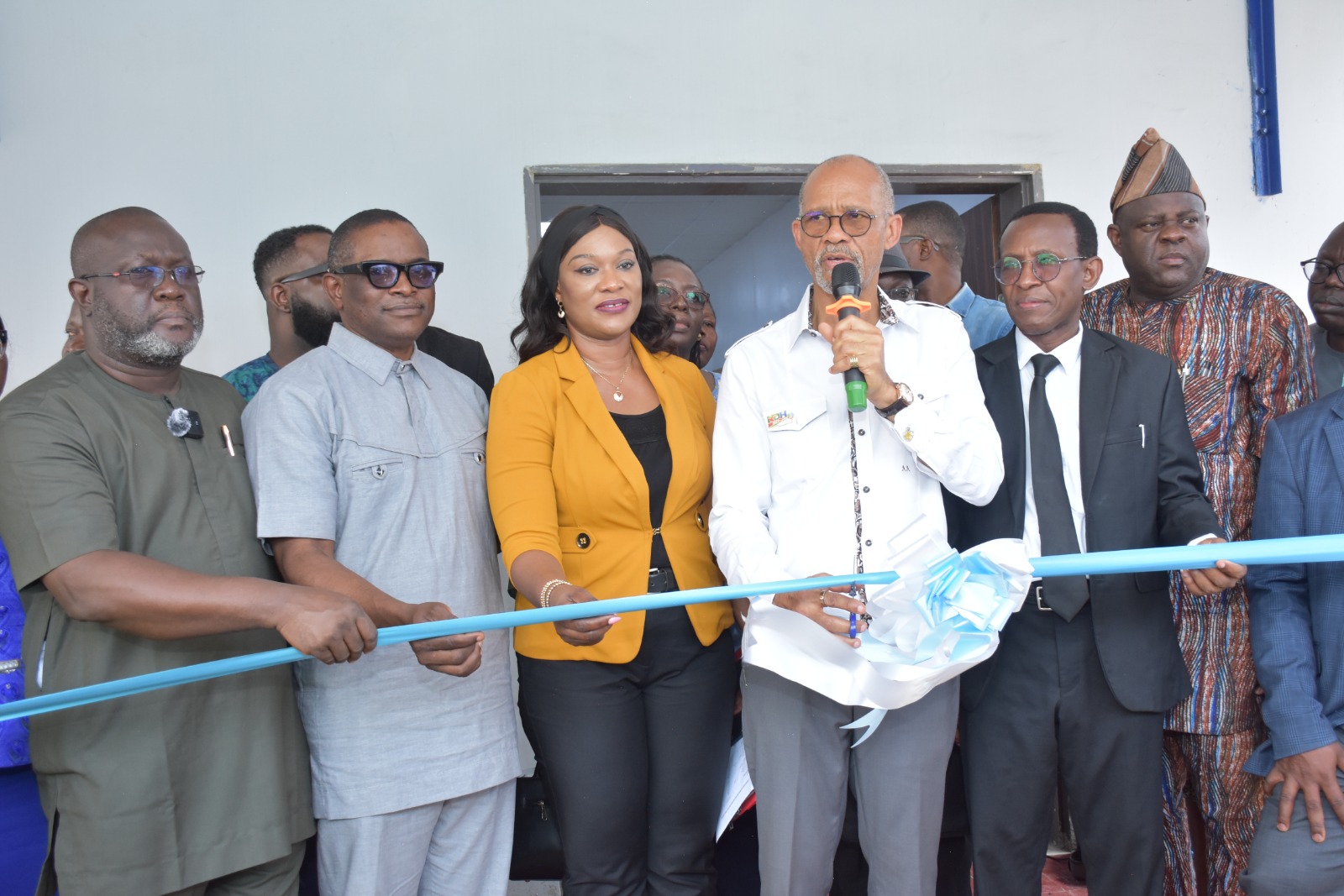
The renewed commitment was highlighted during a symposium organised to commemorate the 2026 World Malaria Day at the Adeyemi Bero Auditorium in Lagos, with the theme, “Driven to End Malaria: Now We Can, Now We Must.”
Speaking at the event, Akin Abayomi described malaria as one of the world’s most serious public health challenges, noting that about 260 million people contract the disease annually, with nearly 600,000 deaths recorded globally.
He said Africa accounts for 95 per cent of global malaria cases, while Nigeria contributes about 27 per cent of the global burden, making it one of the countries most affected by the disease.
Despite Lagos’ coastal environment and numerous water bodies that favour mosquito breeding, Abayomi said the state had maintained malaria prevalence below two per cent through sustained investments in public health interventions, surveillance, environmental management, and data-driven policies.
According to him, neighbouring states such as Ogun State, Ondo State, Osun State, and Oyo State continue to record malaria prevalence rates between 20 and 30 per cent.
The commissioner disclosed that malaria prevalence in Lagos declined from about 15 per cent fifteen years ago to 10 per cent a decade ago and has now dropped to approximately two per cent.
Abayomi said concerns arose when health facilities in Lagos continued diagnosing large numbers of malaria cases despite declining prevalence data. This prompted the state government to undertake a large-scale malaria study in collaboration with the National Malaria Elimination Programme, the Pharmacy Council of Nigeria, and Patent and Proprietary Medicine Vendors.
He explained that over 78,000 residents with fever symptoms were tested across 514 facilities, including 392 pharmacies and medicine vendors as well as 122 Primary Health Centres, using Rapid Diagnostic Tests with an accuracy rate of about 98 per cent.
According to the findings, only five per cent of individuals who believed they had malaria actually tested positive, while about 95 per cent of fever-related illnesses were linked to other health conditions.
“This finding changed everything. We realised that most people being treated for malaria did not actually have malaria. That is why Lagos introduced a strict policy of ‘No Treatment Without Testing,’” he said.
Abayomi stressed that antimalarial drugs remain effective when used for confirmed cases, warning that inaccurate diagnoses contribute to misconceptions about treatment failure.
He added that Lagos had adopted a “Prevent, Test, Treat and Track” strategy that includes compulsory testing of suspected cases, treatment of only confirmed infections, and digital tracking of positive cases to identify hotspots and eliminate mosquito breeding sites.
Earlier, the Special Adviser to the Governor on Health, Kemi Ogunyemi, said the symposium provided an opportunity to renew collective efforts towards malaria elimination.
She noted that although malaria prevalence had reduced significantly, the disease still contributes to illness due to environmental conditions, population density, and behavioural practices that sustain transmission.
Ogunyemi reaffirmed the state government’s commitment under the THEMES+ Agenda to evidence-based malaria interventions focused on vector control, sanitation, improved access to diagnosis and treatment, surveillance, community engagement, and strategic partnerships.
In her remarks, the Permanent Secretary of the Ministry of Health, Dayo Lajide, said Lagos had moved beyond malaria control and was now deploying innovation, digital systems, and partnerships towards elimination.
She disclosed that more than 978,000 malaria cases were treated across public and private health facilities in 2025, attributing the figure to improved tracking and surveillance systems.
Lajide also noted that, through collaboration with the World Health Organization, Lagos digitised 514 private healthcare providers, including pharmacies and medicine vendors, while recording only five per cent malaria positivity within the network.
Also speaking, the State Malaria Elimination Programme Manager, Abimbola Osinowo, said the state transformed its malaria response through the IMPACT Project introduced in 2024.
She said the project strengthened access to free rapid diagnostic testing, Artemisinin-based Combination Therapies, surveillance systems, and community awareness initiatives.
Representatives of the Society for Family Health, the World Health Organization, and the Nigerian Association of Patent and Proprietary Medicines Dealers commended Lagos State for expanding rapid diagnostic testing and strengthening malaria case management across communities.
The symposium ended with stakeholders reaffirming their commitment to sustaining investments, deepening surveillance, and accelerating coordinated efforts towards achieving a malaria-free Lagos State.