






By Ayomide Otitoju
The Lagos State Government has unveiled a sweeping set of reforms in health financing, workforce development, and infrastructure, saying mandatory health insurance and stronger public-private partnerships will anchor efforts to close an estimated N100 billion gap in healthcare funding.
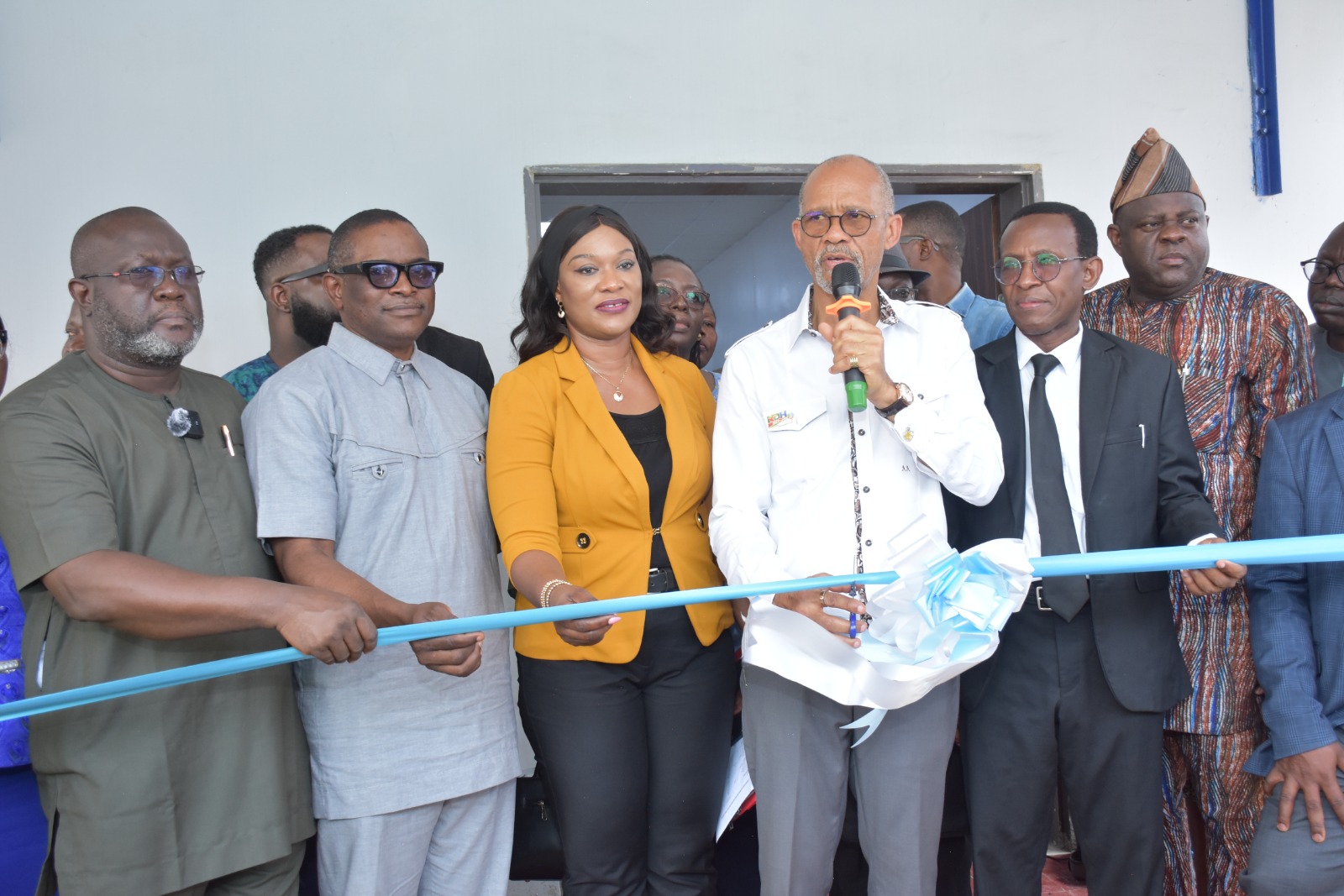
Speaking at the 2026 Ministerial Press Briefing in Ikeja on Tuesday, Commissioner for Health, Prof. Akin Abayomi, said the state is intensifying efforts to expand health insurance coverage, upgrade medical infrastructure, and position Lagos as a leading medical tourism hub in Africa.
Abayomi noted that Lagos currently allocates about eight per cent of its budget to health, below the 15 per cent benchmark under the Abuja Declaration, making alternative financing models essential for sustainability.
He said the government’s focus is on scaling up health insurance and deepening public-private partnerships, describing both as critical to closing the funding gap and improving service delivery.
The Commissioner disclosed that Governor Babajide Sanwo-Olu had signed an Executive Order in July 2024 making health insurance mandatory for all residents, with enforcement now being implemented across government services.
According to him, more than 1.46 million residents have been enrolled in the state’s Ilera-Eko health insurance scheme, although coverage remains far from universal.
He also highlighted concerns over Nigeria’s healthcare financing structure, noting that about 77 per cent of health spending still comes directly from out-of-pocket payments, while insurance contributes just two per cent.
Abayomi said Lagos’ long-term health plan aims to achieve universal health coverage, reduce maternal mortality, strengthen primary healthcare, and curb medical tourism by expanding specialist services within the state.
He further announced plans to establish a standalone University of Medicine and Health Sciences to boost the production of medical professionals and address workforce shortages.
Special Adviser to the Governor on Health, Dr. Kemi Ogunyemi, also emphasised the role of the Health Facility Monitoring and Accreditation Agency (HEFAMAA) in regulating healthcare standards and ensuring patient safety across the state.
She urged residents to patronise only accredited facilities, warning against substandard healthcare providers.
Officials at the briefing said ongoing reforms also include infrastructure upgrades, digital health integration, workforce planning reforms, and improved coordination across all levels of healthcare delivery in the state.