



By Ayomide Otitoju
Namibia could produce more than 2.5 million tonnes of natural gas per annum based on early assessments of discoveries made since 2022, the National Petroleum Corporation of Namibia (NAMCOR) announced last week.
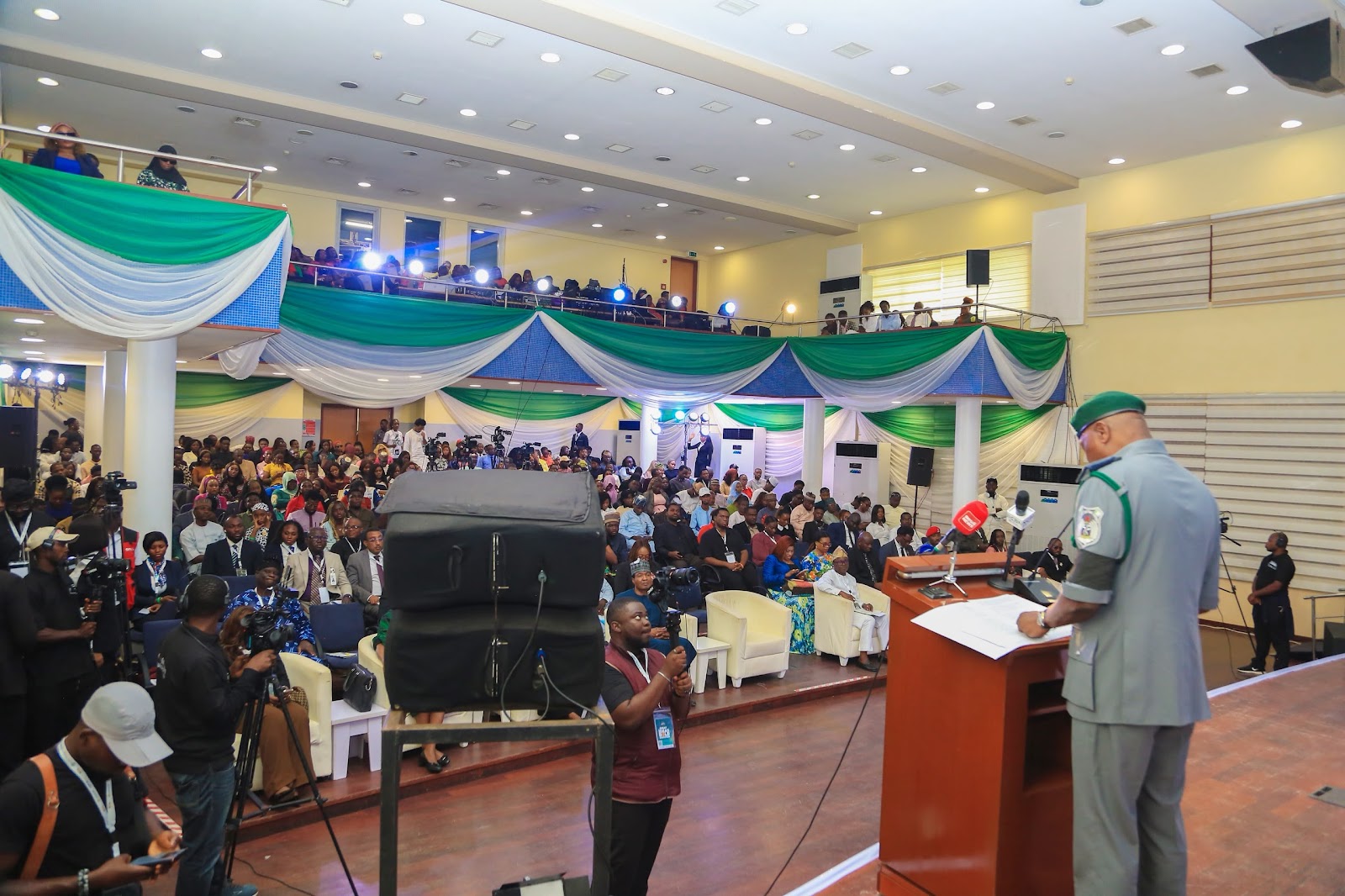
Speaking at the Namibia International Energy Conference on April 24, Mtundeni Ndafyaalako, Executive of Upstream Development & Production at NAMCOR, outlined the company’s dual strategy to maximize the country’s gas potential.
“We have launched a gas monetization strategy project to support both government and industry on how best to commercialize gas. From our appraisals, we now have a clearer picture of production potential and various applications,” Ndafyaalako said.
The strategy’s first pillar focuses on leveraging legislative frameworks to coordinate infrastructure development and foster collaboration among operators, while the second emphasizes expanding exploration to unlock additional resources.
Ndafyaalako added that the approach is designed to attract new players and investment by clarifying monetization pathways.
Industry Stakeholders Outline Development Plans
Manfriedt Muundjua, Deputy General Manager at BW Kudu, highlighted the importance of integrating local content into gas development through training, skills transfer, local procurement, and ownership.
“We already have a downstream investment partner lined up to join us once production at Kudu begins,” Muundjua revealed, adding that drilling of additional wells is scheduled to begin in October.
BW Energy, which acquired a 56% operating stake in the Kudu gas project in 2022, plans to drill a new gas well at its Petroleum Production License 003 offshore Namibia between September and October 2025. The company has secured critical drilling equipment with delivery expected by June, and a second well is planned for early 2026.
Regional Energy Leadership Potential
Paul Eardley-Taylor of Standard Bank emphasized the need for “shadow infrastructure” in southern Namibia, potentially through public-private partnerships, to address energy shortages. He suggested strategically directing oil revenues toward financing gas infrastructure and fostering local energy markets.
Eardley-Taylor noted that Namibia could assume South Africa’s former role as the region’s primary energy supplier, particularly as critical mineral projects are willing to pay premium prices for stable power.
Ian Thom, Research Director for Upstream at Wood Mackenzie, expressed confidence that Namibia could implement a comprehensive Gas Master Plan within nine months. With only 59% of the population currently connected to the electricity grid, Thom highlighted gas’s potential to increase energy access across residential, commercial, and industrial sectors.
“Namibia could generate more value by exporting electricity rather than raw gas, given the limited infrastructure for gas exports and the high costs associated with building it,” Thom said.
The upcoming African Energy Week conference, scheduled for September 29 to October 3, 2025, in Cape Town, will spotlight Namibia’s gas developments and broader African energy opportunities.


