









By Ayomide Otitoju
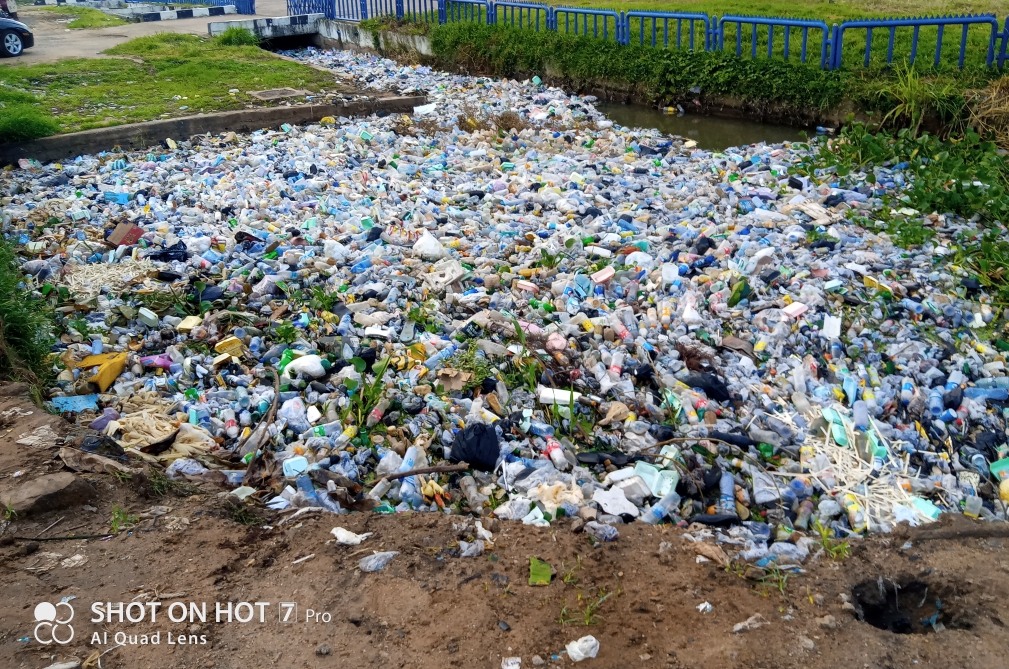
Across Nigeria’s bustling cities and emerging peri-urban communities, economic growth continues to accelerate, marked by expanding markets and a youthful, consumption-driven population. Yet, this progress brings a mounting challenge — plastic waste. From the streets of Lagos to the waterways of the Niger Delta, discarded packaging clogs drains, litters markets, and threatens both livelihoods and ecosystems.
Nigeria produces an estimated 2.5 million tonnes of plastic waste annually, with less than 10 percent recycled. Across West Africa, over 80 percent of plastic waste remains mismanaged, endangering biodiversity, public health, and coastal economies. However, a quiet transformation is underway, powered by innovation, partnerships, and stronger policies.
At the heart of this transformation is the Food and Beverage Recycling Alliance (FBRA) — Nigeria’s first Producer Responsibility Organisation (PRO) — bringing together private-sector leaders committed to advancing sustainable waste management. FBRA plays a key role in implementing Extended Producer Responsibility (EPR), ensuring that producers and importers take active responsibility for the lifecycle of their packaging materials.
In collaboration with the National Environmental Standards and Regulations Enforcement Agency (NESREA), FBRA has helped institutionalise EPR nationwide, influencing the creation of recycling policies, frameworks, and models now being replicated across industries.
FBRA’s member companies are expanding collection and recycling systems, funding recovery networks, and creating economic opportunities for thousands of Nigerians. A prime example is Nestlé Nigeria, one of FBRA’s founding members, which has emerged as a frontrunner in community-based recycling and circular packaging innovation.
Since 2019, Nestlé Nigeria has diverted more than 61,000 tonnes of plastic waste from landfills through partnerships with FBRA, recyclers, and social enterprises such as Chanja Datti, Wecyclers, and Maladase Ecopreneur Management Ltd. Its flagship Plastic Advantage Programme empowers 43 mini-aggregators with training, equipment, and access to stable off-take markets — creating jobs while strengthening local collection systems.
Nestlé has also achieved a landmark sustainability milestone through its 50% rPET inclusion project for its water brands — the first of its kind in Nigeria and the highest permissible standard under current regulations. This achievement highlights Nestlé’s leadership in promoting recycled packaging, reducing reliance on virgin plastics, and advancing the country’s circular economy goals.
Complementing these efforts, the Nestlé Employee Plastics Collection Scheme encourages staff to bring recyclables to the workplace, fostering behavioural change and reinforcing the company’s vision of a waste-free future.
The progress achieved by FBRA, Nestlé, and other private-sector leaders demonstrates how collaboration and innovation can drive sustainability. Yet, experts warn that sustained momentum is crucial. Without continued enforcement of EPR regulations and investment in scalable recycling systems, plastic pollution could still outpace growth.
Nigeria’s evolving circular economy offers a compelling blueprint — one where business growth, environmental protection, and social inclusion converge. Through shared responsibility and collective action, the country is turning plastic waste from an environmental burden into an engine of opportunity and sustainable development.


