


By Ayomide Otitoju
Oando Plc has announced plans to raise $750 million in 2026 to fund an extensive drilling campaign aimed at boosting its oil output by as much as 300 percent, amid renewed investor interest in West African energy assets.
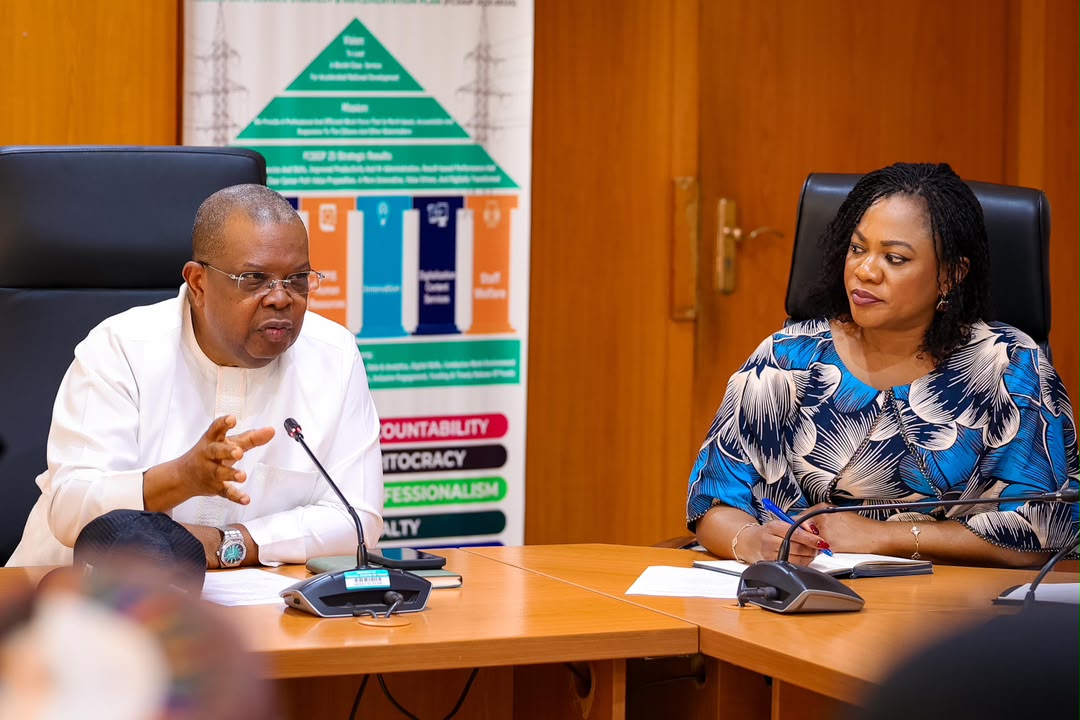
The company’s Chief Executive Officer, Wale Tinubu, disclosed the plan in an interview with Reuters, noting that rising global energy prices and shifting geopolitical dynamics are improving financing prospects for regional producers.
He said Oando is intensifying efforts to secure funding for a large-scale drilling programme that could involve up to 100 wells, particularly across assets acquired from international oil companies such as ConocoPhillips and Eni.
Nigeria, Africa’s largest oil producer, currently records crude and condensate output of about 1.6 million barrels per day, while Oando’s production averaged just over 32,000 barrels of oil equivalent per day in fiscal 2025.
Tinubu noted that investor sentiment toward Africa’s energy sector has improved significantly in recent years, driven by global disruptions linked to conflicts such as the Iran war and the Russian invasion of Ukraine. He added that these developments have repositioned Africa as a relatively stable investment destination.
He also highlighted a shift in crude trade flows, with more Nigerian cargoes heading to Asian markets to offset supply disruptions caused by constraints in the Strait of Hormuz.
Oando, which has raised between $3 billion and $4 billion over the past decade largely from European lenders, is now diversifying its funding sources following the withdrawal of many European banks from fossil fuel financing due to climate concerns. The company is increasingly engaging African financial institutions such as African Export-Import Bank and African Finance Corporation, as well as global commodity traders including Vitol, Trafigura, Glencore, and Mercuria.
According to Tinubu, Gulf-based banks, private equity firms, and hedge funds are also showing increased interest in financing African hydrocarbon projects.
The company has recently expanded its footprint into Angola and is exploring further opportunities in Ghana and Ivory Coast. Tinubu emphasized the need for African countries to mobilise domestic capital, including pension funds, to support large-scale energy investments.
He warned that ongoing geopolitical tensions could have long-term implications for global energy security, sustaining interest in West Africa’s oil and gas reserves.
Tinubu also noted that Nigeria is well-positioned to attract investment following the enactment of the Petroleum Industry Act in 2021 and recent economic reforms by President Bola Ahmed Tinubu.
He added that the development of the 650,000-barrel-per-day Dangote Refinery underscores the strategic value of Nigeria’s energy resources.