









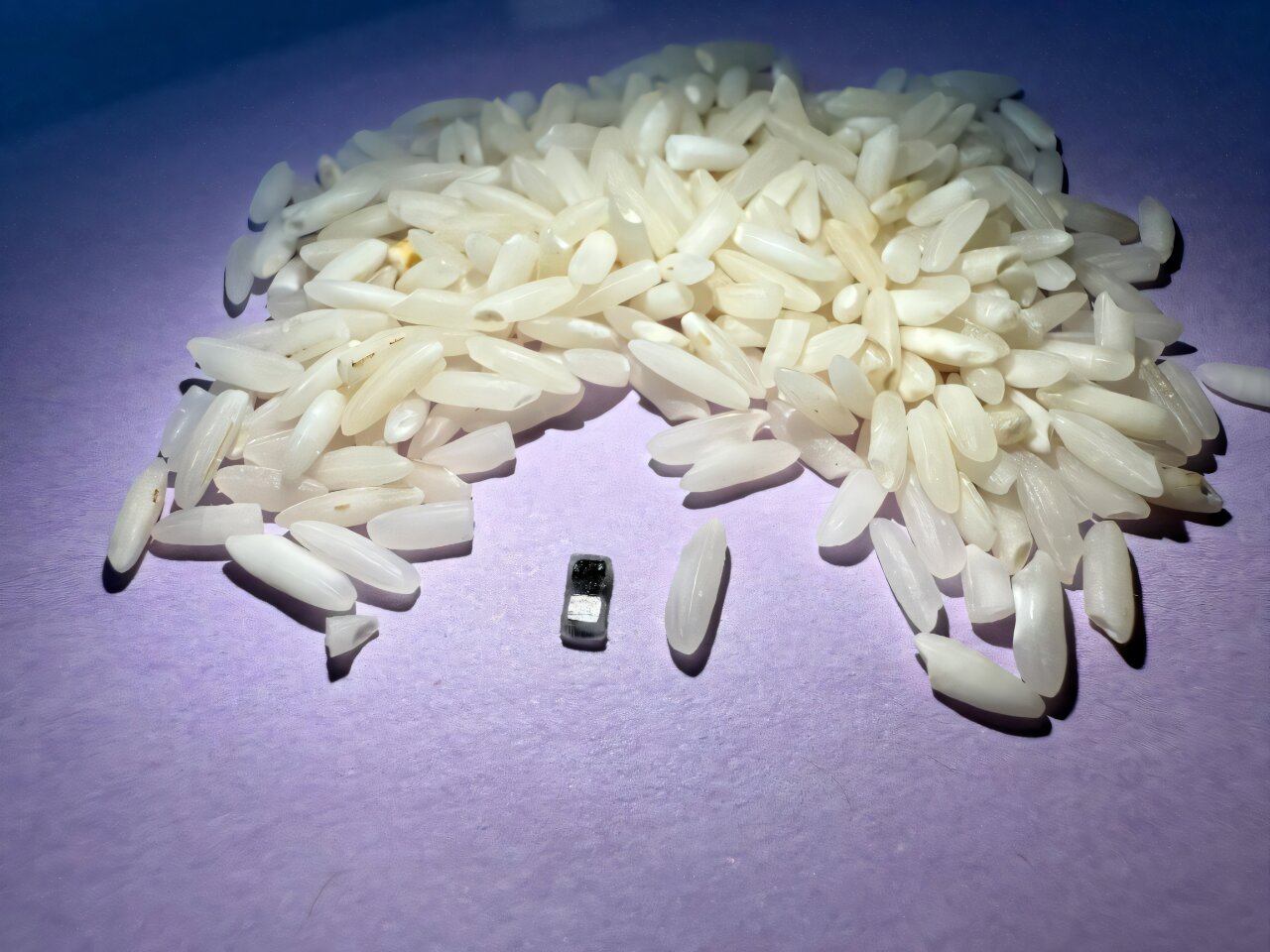
Researchers have unveiled the world’s tiniest pacemaker, a groundbreaking device smaller than a grain of rice that can be injected into the body and controlled by light before naturally dissolving.
Announced on Wednesday, the wireless pacemaker represents a “transformative breakthrough” in medical technology and could lead to advancements in other fields. While still years away from human trials, scientists believe it could revolutionize cardiac care, particularly for infants and post-surgery patients.
Unlike conventional temporary pacemakers, which require invasive procedures and wired connections to external devices, the newly developed pacemaker is just one millimeter thick and 3.5 millimeters long—small enough to fit into a syringe tip. It dissolves safely in the body once no longer needed, eliminating the risks associated with wire removal.
Developed by a U.S.-led research team, the device aims to assist the one percent of infants born with congenital heart defects who require temporary pacemakers after surgery. It could also help adults recovering from heart procedures.
The pacemaker is paired with a soft patch worn on the chest, which detects irregular heartbeats and triggers light signals to regulate heart rhythms. It operates using a galvanic cell powered by the body’s own fluids to generate electrical pulses.
Tests conducted on mice, rats, pigs, dogs, and human heart tissue in laboratory settings have demonstrated the pacemaker’s effectiveness. According to senior study author John Rogers of Northwestern University, human trials could begin within two to three years.
Bozhi Tian, a researcher at the University of Chicago not involved in the study, hailed the pacemaker as a “significant leap forward,” adding that the technology could have applications beyond cardiology, including nerve regeneration and wound healing.
Heart disease remains the leading cause of death worldwide, according to the World Health Organization.


