




By Ayomide Otitoju
The Governor of Lagos State, Babajide Sanwo-Olu, and key stakeholders from security agencies, government institutions, civil society, and traditional leadership on Friday renewed calls for the adoption of indigenous security strategies, advanced technology, and state policing to confront Nigeria’s growing security threats.
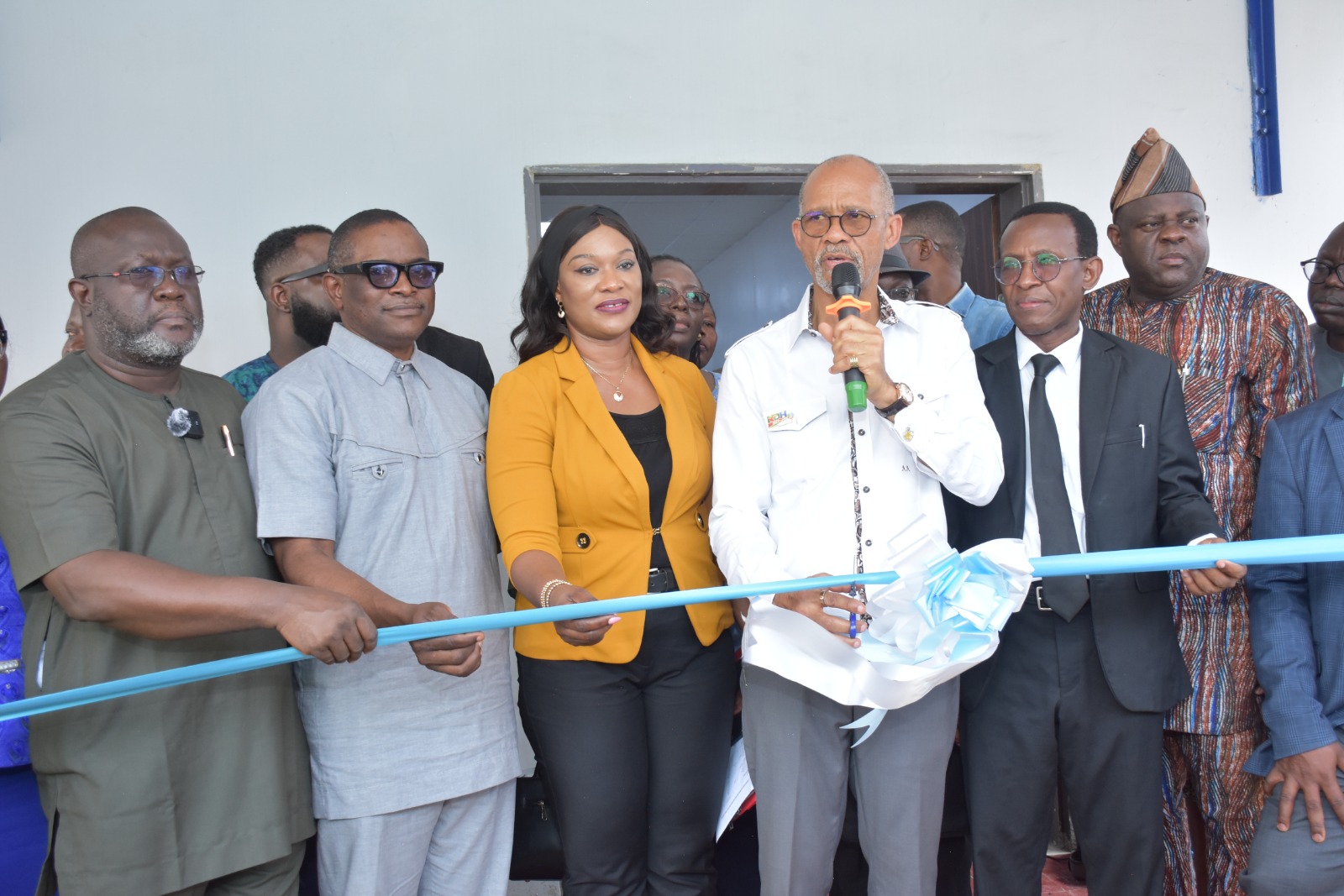
The appeal was made during the South-West Zonal Security Summit held in Ikeja. The event was organised by the Senate Ad-Hoc Committee on National Security in collaboration with the Lagos State Government.
The summit brought together representatives of South-West states; members of the Senate led by Senator Adetokunbo Abiru; serving and former public officials; security agency heads; civil society groups; and traditional, religious, and political leaders.
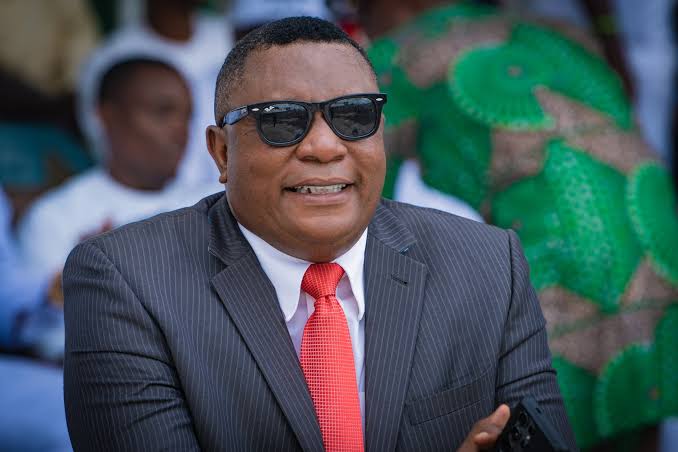
Represented by the Executive Secretary of the Lagos State Security Trust Fund, Dr Ayodele Ogunsan, Governor Sanwo-Olu reaffirmed Lagos State’s commitment to strengthening security systems and called for a unified regional security architecture.
“As governors of this region, we must reaffirm our commitment to a regional security framework, including transforming Amotekun into a more unified, well-equipped, technology-driven command capable of facilitating cross-state intelligence sharing and joint operations,” he said.
Sanwo-Olu stressed that traditional institutions must remain central to community-based security and warned that insecurity threatens both peace and economic stability.
“A region that cannot promise safety cannot promise prosperity,” he said, urging improvements in early-warning systems, surveillance capacity, and community engagement.
He pledged Lagos State’s full cooperation with the Senate Ad-Hoc Committee and neighbouring states to “secure the present and protect the future of the South-West.”
In his opening remarks, Senator Abiru, who chairs the South-West interactive hearings of the committee, described the summit as part of a nationwide engagement across all geopolitical zones. He warned that rising incidents of banditry, kidnapping, and violent crimes posed increasing risks.
“Our villages and farmlands are under threat; farmer-herder clashes are rising; and the disturbing spread of armed groups, such as the reported Lakurawa incursion into parts of Kwara and Kogi, underscores the need for proactive measures,” Abiru said.
He urged security agencies, communities, and the media to strengthen collaboration, promote unity, and avoid narratives that could deepen ethnic or religious divisions.
Senator Ibrahim Jimoh, sponsor of the bill establishing the National Security Summit, noted that terrorism and insurgency require unconventional approaches that combine military and civilian efforts. Senator Gbenga Daniel of Ogun East also emphasised the need for joint stakeholder action.
Lagos State Commissioner of Police, Moshood Jimoh, highlighted the impact of logistics support from the Sanwo-Olu administration and stressed that many security challenges are local in nature.
Representing traditional rulers, the Alara of Ilara, Oba Olufolarin Ogunsanwo, called for community policing, improved technology adoption, joint task forces, expanded police recruitment, and greater youth employment to deter crime. He noted that despite strengthened international partnerships under President Bola Tinubu, weak grassroots structures continued to undermine progress.
The Aare Onakankanfo of Yorubaland, Iba Gani Adams, reiterated that state policing remains central to resolving security problems nationwide.
Civil society representatives, women’s groups, youth leaders, and Christian and Islamic clerics echoed calls for better welfare for security personnel to motivate effective service delivery.


