




A uranium shipment that departed northern Niger in late November has remained stranded for weeks at Niamey’s international airport, deepening a diplomatic and legal standoff for the country’s ruling military junta.
The cargo, estimated at more than 1,000 tonnes, has become a sensitive issue for Niger’s leaders, who seized power in a 2023 coup and have since distanced the country from longtime ally France while strengthening ties with Russia. Niger, one of the world’s leading uranium producers, is seeking to sell the shipment amid growing tensions over control of its natural resources.
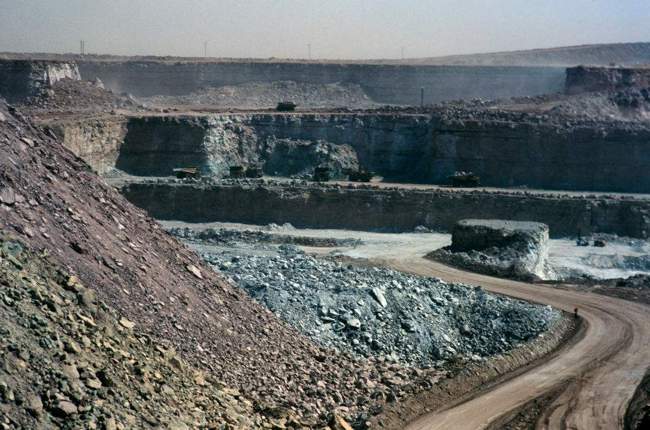
Uranium has long been mined in Niger by French firm Orano, formerly Areva, but the junta has made resource sovereignty a central pillar of its policy agenda. In this context, the military authorities announced the nationalisation of the Somair mine, an Orano subsidiary located in Arlit, northern Niger.
Satellite imagery analysed by AFP shows that 34 trucks arrived at Niamey airport between December 3 and 5. While the contents of the convoy have not been officially confirmed, several sources, including West African journalists’ collective Wamaps, say the trucks were carrying the uranium shipment that left Arlit in late November.
The trucks reportedly remained inside the airport’s military zone for nearly a month before being moved over several days in mid-January. “The cargo is entirely within the airport; it has been moved to secure locations,” a source familiar with the matter told AFP, adding that it was “not intended to leave the country anytime soon.”
Exporting goods from landlocked Niger typically requires access to a neighbouring country’s seaport. However, relations with Nigeria are strained, while ties with Benin are even more hostile. Niger has accused Benin of attempting to destabilise the country and has closed its border, ruling out the most direct export route via Benin’s port of Seme-Kpodji.
An alternative route through Togo would require crossing western Niger and Burkina Faso, regions plagued by jihadist violence. The proposed corridor would pass through Torodi in southwestern Niger, where a local prefect was killed earlier this year. “Niger is hesitating because of growing security risks,” the source said. According to conflict-monitoring group ACLED, the Tillaberi region bordering Burkina Faso became the deadliest area in the central Sahel in 2025.
Satellite images also show two Russian-made Ilyushin Il-76 cargo planes at Niamey airport between January 9 and 13, though flight-tracking data analysed by AFP did not record any registered movements or identify the aircraft owners.
The identity of the uranium buyer remains unclear, and Russia has not formally expressed interest in the shipment. Asked about the issue, Russian foreign ministry spokeswoman Maria Zakharova said she would “look into the matter.” During a visit to Niamey last summer, Russia’s energy minister said Moscow’s “main goal is to mine uranium” in Niger, while Russian nuclear agency Rosatom later signed a memorandum on civilian nuclear cooperation.
In December, France opened an investigation into the suspected theft of the uranium “in the interests of a foreign power.” Orano has maintained that the cargo still belongs to the company, a claim rejected by Niger, which in turn accuses Orano of owing 58 billion CFA francs ($102 million) in unpaid debts and bills.
The legal dispute could further complicate any attempt to move the shipment through a third country, starting with Togo. “This complaint has changed the balance of power,” the source said, adding that under its international obligations, Togo would be required to seize the cargo if it entered its territory.
On Wednesday, Orano said it would pursue legal action against Niger, as well as against “anyone who tries to get their hands” on the uranium stock currently stranded in Niamey.


