
By Ayomide Otitoju
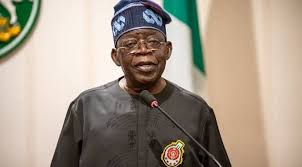
President Bola Tinubu has said Nigeria is passing through a difficult but necessary phase of reforms, expressing confidence that the country will emerge stronger, more united and more prosperous.
Tinubu stated this on Thursday in a statement marking the third anniversary of his administration on May 29, 2026, noting that nations often face periods of hardship before achieving lasting progress.
“My fellow Nigerians, history tests nations before it elevates them. Nigeria is passing through such a test. But I believe with all my heart that we shall emerge stronger, fairer, more united, and more prosperous than ever before,” he said.
The President urged Nigerians to remain committed to nation-building, stressing the need for unity in sustaining ongoing reforms.
“Let us continue this journey together. Let us build a Nigeria that is secure, prosperous, inclusive, and respected worldwide,” he added.
Tinubu acknowledged the economic hardship triggered by reforms introduced by his administration, saying the sacrifices of citizens would yield long-term benefits.
“I remain deeply conscious of those sacrifices, and I assure you: your sacrifice has not been in vain. And today, I can say with confidence that Nigeria has stabilised and is moving forward again,” he said.
He recalled that his administration inherited severe economic challenges, including fuel subsidy payments, exchange rate distortions, rising debt pressures, insecurity and declining public confidence in institutions.
According to him, Nigeria was spending as much as N18.4 billion daily on fuel subsidies at the peak, amounting to over N4 trillion in 2022, while foreign exchange inefficiencies cost the country over N8 trillion within three years.
Tinubu said the situation required “urgent and courageous action,” insisting that difficult decisions were taken to prevent economic collapse.
“The easy choices would have been politically convenient. But leadership demands courage, especially when the right decisions are difficult,” he said.
He added that without reforms, Nigeria risked deeper fiscal crisis, worsening poverty and economic instability.
While acknowledging the impact of the policies on citizens, Tinubu said rising living costs had affected households, businesses and young job seekers.
“These decisions came with sacrifice. The rising cost of living triggered by our measures placed enormous pressure on families, workers, and businesses,” he said.
The President, however, highlighted what he described as economic improvements, including growth in the capital market, improved government revenues and rising investor confidence.
Tinubu noted that the All Share Index had risen from about 53,000 in 2023 to 250,000 in 2026, while market capitalisation grew from N30 trillion to N160 trillion.
He also said over 2,700 kilometres of roads are currently under construction or rehabilitation across the country, including major projects such as the Lagos-Calabar Coastal Highway, Sokoto-Badagry Super Highway and Abuja-Kaduna-Zaria-Kano Road.
On the oil and gas sector, Tinubu said reforms had attracted new investments, including progress on the $5 billion NLNG Train 7 project and improved domestic refining capacity.
In education, the President said the Nigerian Education Loan Fund had supported more than 1.5 million students, disbursing over N282 billion.
He also said the Renewed Hope Housing Programme was delivering over 10,000 housing units nationwide, while creating jobs and expanding access to affordable housing.
Tinubu further stated that his administration was addressing long-standing challenges in the power sector through infrastructure upgrades, debt clearance and investment in renewable energy.
On security, he said military operations against terrorists, bandits and other criminal groups had been intensified, assuring Nigerians of continued efforts to improve safety across the country.
“Our Armed Forces and security agencies have intensified operations… We will not relent until every Nigerian can live, work, travel, and dream in safety,” he said.
Tinubu admitted that challenges remain but maintained that the foundation for economic recovery and national progress had been established.


