






By Ayomide Otitoju
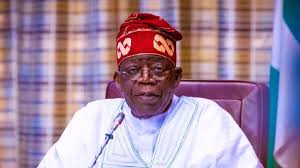
President Bola Tinubu has directed the Federal Ministry of Justice and the National Assembly to address issues raised regarding the Tax Reform Bills currently under legislative review. The bills, which aim to overhaul Nigeria’s tax system, have sparked significant criticism, particularly from northern governors and stakeholders who claim they could exacerbate poverty and marginalize the region.
To mitigate concerns, Tinubu instructed the Justice Ministry to collaborate with the National Assembly to refine contentious provisions in the bills. “The government has nothing sinister to warrant suggestions of a rushed process. We welcome meaningful input to address grey areas,” Minister of Information and National Orientation Mohammed Idris stated on Tuesday.
The president’s directive underscores his commitment to ensuring the bills align with national interests, Idris added, emphasizing that the measures are designed to empower states and local governments for sustainable growth and development.
Encouraging Democratic Dialogue
Idris lauded the vibrant national debate the bills have generated, describing it as the “essence of democracy.” He urged Nigerians to avoid divisive rhetoric and focus on constructive dialogue.
“The fiscal reforms will not impoverish any state or region. Instead, they aim to provide relief to hardworking Nigerians and invest in critical infrastructure such as healthcare, education, and transportation,” Idris said, dismissing allegations of regional bias as “misinformation.”
Experts and Stakeholders Advocate Restraint
The bills’ introduction has ignited heated debates, prompting Channels Television to host a town hall event featuring experts and policymakers.
Panelists, including Taiwo Oyedele, Chairman of the Presidential Fiscal Policy and Tax Reforms Committee, and former House Speaker Yakubu Dogara, highlighted the transformative potential of the reforms. Oyedele noted that the bills contain over 200 provisions aimed at fostering economic prosperity.
“We should not let one or two contentious provisions overshadow the transformative impact these bills can have,” Oyedele said.
Dogara also urged northern stakeholders to approach the bills objectively, arguing they are not detrimental to the region. “This is not the time to condemn the president. Let us address the concerns constructively,” he said.
Despite calls for withdrawal, the Tax Reform Bills have passed their second reading in the Senate, signaling legislative momentum. However, Tinubu’s directive to engage stakeholders suggests an openness to further revisions to ensure national inclusivity and fairness.


